

Former Assad military officers reconcile with Syria’s new authorities

NewsFeed Former Syrian military officers who worked under the Assad regime are registering with the new administration as part of the effort towards a peaceful political transition. Published On 8 Jan 20258 Jan 2025 Adblock test (Why?)
Will Austria’s Freedom Party form a coalition and create stable government?

Herbert Kickle first far-right leader since World War II to be invited to form a government. Austria could soon join a growing number of European Union countries led by the far right. Months of negotiation led by the conservative Austrian People’s Party ended with no coalition and the president, a left-wing former Greens leader, has been left with little choice but to look even further to the right. The Freedom Party (FPO) is anti-immigration and pro-Russian. Its leader, Herbert Kickle, is due to begin negotiations with the conservatives and is hoping to emerge as chancellor. Will he succeed? And if he does, what does the future look like for Austria’s ailing economy and its significant immigrant population? Presenter: Cyril Vanier Guests: Michael Bonvalot – Journalist Aurelien Mondon – Senior lecturer at the University of Bath Florian Hartleb – Political consultant Adblock test (Why?)
‘Hell will break loose’: Trump hints at military moves in Mideast, Americas
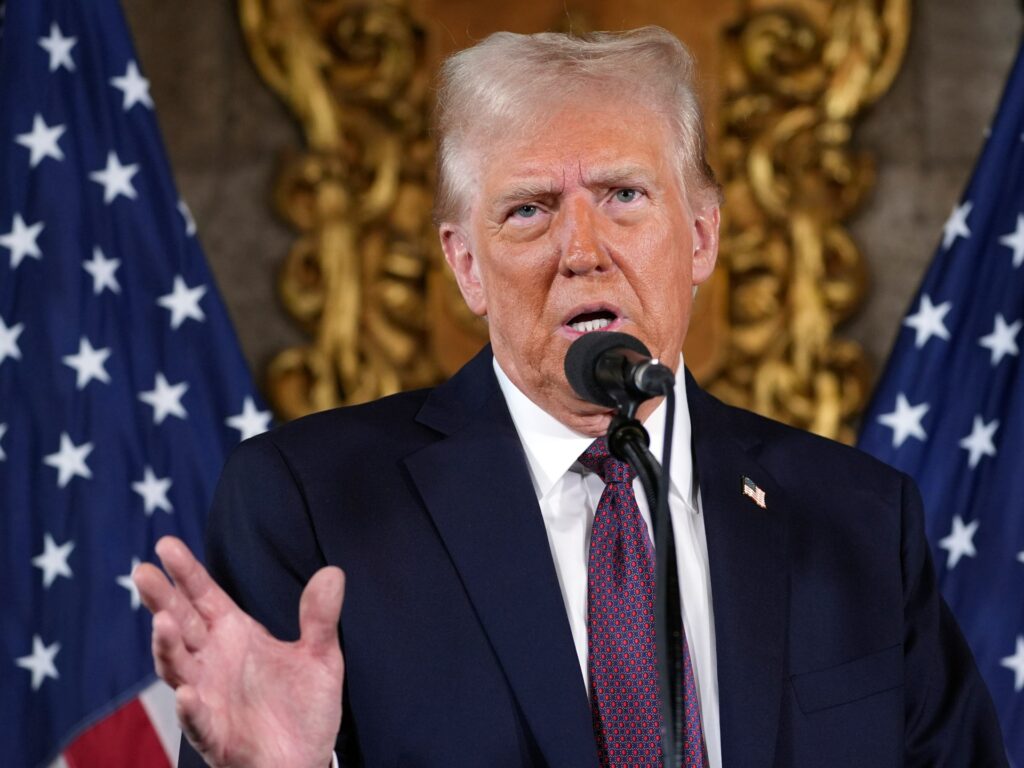
United States President-elect Donald Trump has hinted at possible military intervention in the Americas and the Middle East, as well as other items on his foreign policy agenda, during a wide-ranging news conference in Florida. Trump spoke from his Mar-a-Lago estate on Tuesday, a day after Congress officially certified his victory in November’s general elections. The news conference also comes just 13 days before Trump is set to take the oath of office for his second term on January 20. The president-elect touched on several domestic subjects, pledging to roll back environmental restrictions and pardon supporters who stormed the US Capitol on January 6, 2021. But his most consequential statements concerned foreign policy. Trump expounded on a sweeping expansionist vision, with consequences for countries across the world. He repeated his desire for US control of the Panama Canal, Greenland and Canada, while emphasising that “all hell will break out” if captives held in Gaza are not released before he takes office. Advertisement In one exchange with reporters, Trump was asked if he would rule out the use of military force or economic coercion to take control of the Panama Canal or Greenland, an autonomous Danish territory. He refused. “I’m not going to commit to that,” Trump said. He then pivoted to the canal, an arterial trade route that connects the Atlantic and Pacific oceans. “It might be that you’ll have to do something. The Panama Canal is vital to our country.” He later added, “We need Greenland for national security purposes.” Both Greenland’s and Denmark’s prime ministers have ruled out the prospect of the sprawling Arctic island being transferred to US control. And the government of Panama has likewise maintained that the canal will remain Panamanian, as it has been since the US relinquished control in 1999, following a treaty negotiated under late US President Jimmy Carter. Eyes on Canada Trump also made bold statements about his intentions towards Canada, one of the US’s largest trading partners. The country shares a 8,891-kilometre (5,525-mile) border with the US, and Trump in recent weeks has suggested it should become the US’s 51st state. But during Tuesday’s news conference, he ruled out using military force against Canada, which has traditionally been a close ally — though not “economic force”. “You get rid of the artificially drawn line, and you take a look at what it looks like, and it would also be much better for national security,” Trump said, referring to the US-Canada border. Advertisement Canadian Prime Minister Justin Trudeau quickly responded to the prospect on social media. “There isn’t a snowball’s chance in hell that Canada would become part of the United States,” Trudeau wrote. Trump, meanwhile, renewed his pledge to impose “substantial tariffs” on Mexico and Canada if they do not acquiesce to demands to stem irregular migration and drug trafficking into the US. Trump had previously threatened to slap 25-percent tariffs on the two countries, despite warnings from economists that trade wars could mangle heavily interconnected North American industries. In another reference to changing the regional map, Trump said the Gulf of Mexico should be named the “Gulf of America”. It has a “beautiful ring to it”, he quipped. ‘Hell will break out’ Trump spent considerable time discussing Israel’s war in Gaza, a conflict that has claimed more than 45,885 Palestinian lives and prompted fears of grave human rights abuses. The president-elect called his nominee for Middle East envoy, Steve Witkoff, up to the podium to give an update on negotiations. Witkoff, a real-estate investor with no foreign policy experience, had been part of recent ceasefire talks in the Middle East. In apparently impromptu remarks, Witkoff said: “I think that we’ve had some really great progress, and I’m really hopeful that by the inaugural, we’ll have some good things to announce on behalf of the president.” But the president-elect took a harsher line, focusing on the release of the remaining captives held by Hamas after the attack on October 8, 2023, in southern Israel. Israel estimates about 100 people remain in Hamas’s custody. Advertisement Trump vowed that “all hell will break out” in the Middle East if Hamas does not release captives by the time he takes office. Some observers have interpreted Trump’s statement as a threat of possible US military intervention in Gaza, a line that outgoing President Joe Biden has refused to cross, despite surging military aid to Israel. When asked to explain what he meant at the news conference, Trump baulked: “Do I have to define it for you? All hell will break out if those hostages aren’t back.” “If they’re not back by the time I get into office, all hell will break out in the Middle East, and it will not be good for Hamas, and it will not be good, frankly, for anyone. All hell will break out. I don’t have to say any more, but that’s what it is,” he said. Syria policy Trump gave a characteristically cryptic answer when asked about the future of US troops in Syria. The Pentagon says about 2,000 US personnel remain in the country as part of a mission to curb the armed group ISIL (ISIS). But questions have arisen about long-term US involvement in Syria after former President Bashar al-Assad was toppled in early December. US troops have supported the Kurdish-led Syrian Democratic Forces (SDF) in northeast Syria since 2014, as a multi-pronged civil war unfolded in the country. But that backing put Washington at odds with its NATO ally Turkiye, which considers members of the People’s Protection Units (YPG) — the bulk of the SDF’s fighters — to be “terrorists”. Turkiye, by contrast, has supported the rebel groups that ultimately overthrew al-Assad. Advertisement During his first term, Trump floated the possibility of withdrawing US troops from Syria. And as recently as December, he posted on his Truth Social platform that the US should have “nothing to do” with Syria. But in Tuesday’s news conference, he opted instead for ambiguity about the future of US involvement
Venezuelan opposition candidate claims son-in-law has been kidnapped
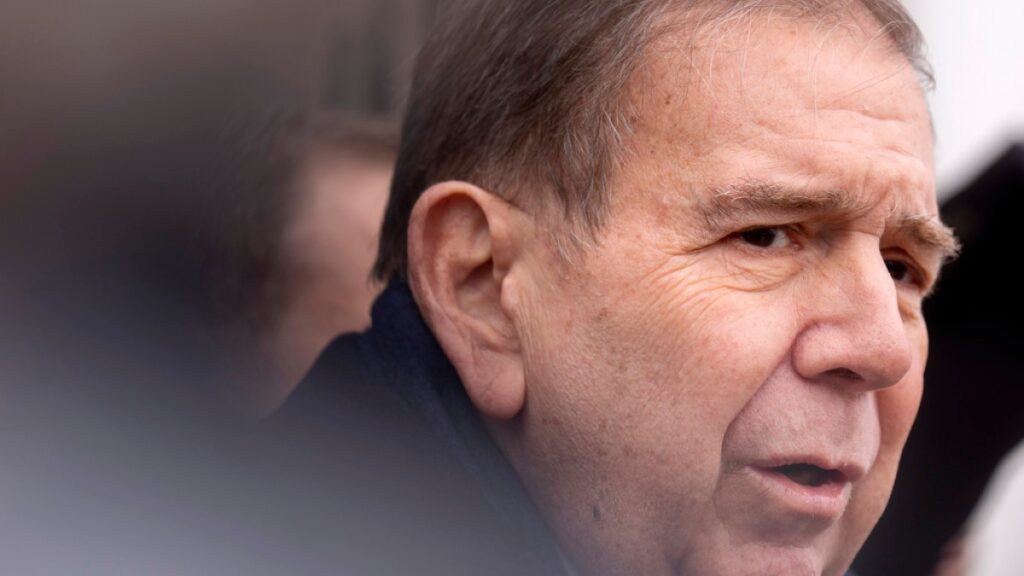
Edmundo Gonzalez, who competed against incumbent Nicolas Maduro in July’s presidential elections, says masked men abducted his son-in-law in Caracas. Edmundo Gonzalez, the leader of Venezuela’s political opposition, has accused masked men of kidnapping his son-in-law, who remains missing. Gonzalez, who ran in the country’s contested presidential election in July, announced the news on social media on Tuesday. “This morning my son-in-law Rafael Tudares was kidnapped,” Gonzalez wrote. “Rafael was heading to my grandchildren’s school, ages 7 and 6, in Caracas, to drop them off for the start of classes, and he was intercepted by hooded men dressed in black, who put him in a gold-coloured pickup truck with the license plate AA54E2C and took him away. At this time he is missing.” Gonzalez himself currently faces an arrest warrant in Venezuela, where he has asserted that he is the rightful winner of the July 28 presidential contest. That has put him at odds with incumbent President Nicolas Maduro, who likewise claimed victory. Maduro is set to be sworn in for a third term on Friday. The opposition and other critics of Maduro’s government have protested against the election and the official results, which they maintain lacked transparency and fairness. Advertisement Pre-election polling appeared to show Maduro trailing Gonzalez by a steep margin. But shortly after polls closed, the country’s electoral authority declared Maduro the winner, without releasing the usual breakdown of the voting tally. Venezuela’s opposition argued that precinct-level tallies show Gonzalez beating Maduro by a two-to-one margin, and they have published what appear to be official tally sheets online. That raised doubts about the legitimacy of his victory, and protesters flooded the streets in cities like Caracas in the aftermath of the vote. The government has, in turn, been accused of leading a violent crackdown against protesters and political opponents following the election. Some 2,000 people were initially arrested, and 23 killed, though Maduro’s government recently said it released 1,515 of the detainees. His administration has long faced accusations of political repression and human rights abuses, including torture and arbitrary detention. In September, prosecutors in Venezuela’s government accused Gonzalez of conspiracy, usurpation of powers and falsifying documents, and a court issued a warrant for his arrest. The opposition leader fled the country and went into exile in Spain. But he has pledged to return to Venezuela. The Venezuelan government, meanwhile, has repeatedly said that Gonzalez will be arrested if he comes back. Maduro and his allies maintain that Gonzalez and other opposition members worked with hostile foreign powers to destabilise the country. Advertisement In early January, Gonzalez left Spain to rally support in a tour across the Americas and put pressure on Maduro’s government. He has already visited Argentina and Uruguay, and on Monday, he met US President Joe Biden, whose government recognised Gonzalez as the legitimate president-elect in November. While regional leaders have expressed scepticism about Maduro’s claims of victory and condemned the crackdown on protesters, it remains unclear what leverage can be exerted on Gonzalez’s behalf. Adblock test (Why?)
US pauses select restrictions on Syria, offering hope on Western sanctions
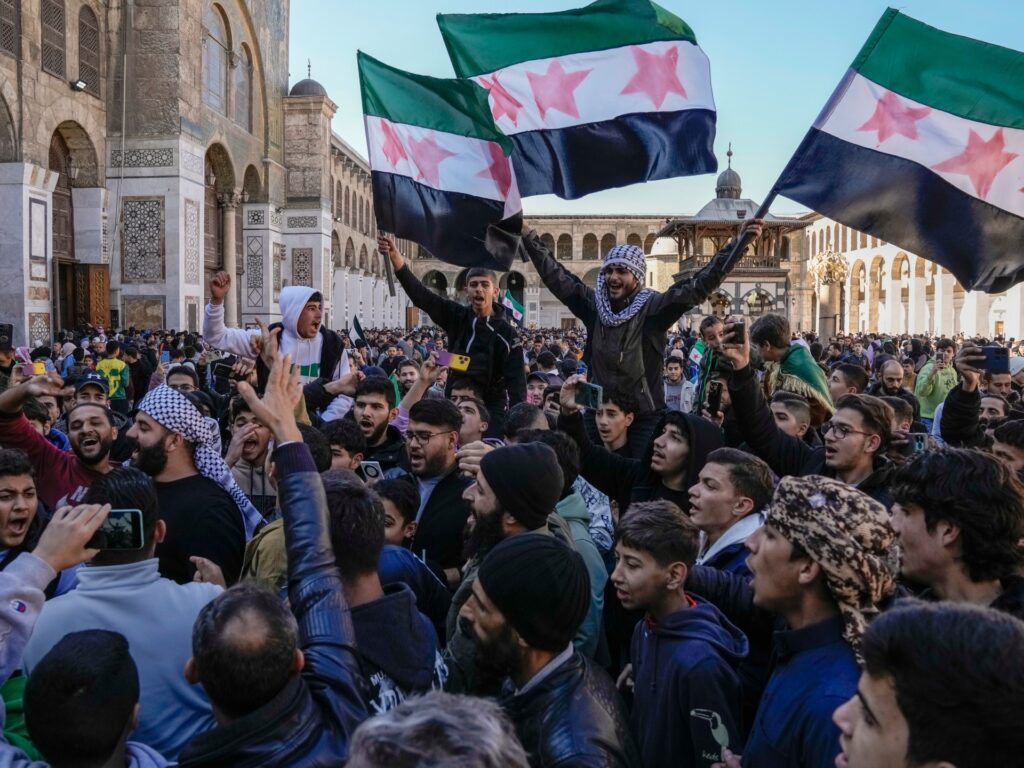
Washington opens the way for transactions needed for humanitarian purposes in a move seen as an ‘important step’ towards easing the West’s sanctions. The United States has announced it is easing select restrictions on Syria’s transitional government. Late on Monday, the US Treasury issued a general licence, lasting six months, that authorises certain transactions with the Syrian government, including some energy sales and incidental transactions. The move is designed to allow the entry of humanitarian aid following the ouster of Syrian leader Bashar al-Assad last month, the US said. It suggests some progress in the efforts of Hayat Tahrir al-Sham (HTS), the main group that overthrew al-Assad and now leading Syria’s transition, to strengthen international relations. The action does not remove any sanctions but will ensure they “do not impede activities to meet basic human needs, including the provision of public services or humanitarian assistance”, the US Treasury said. Deputy Secretary of the Treasury Wally Adeyemo said the end of al-Assad’s “brutal and repressive rule, backed by Russia and Iran”, provided a unique opportunity for Syria and its people to rebuild. Advertisement “During this period of transition, Treasury will continue to support humanitarian assistance and responsible governance in Syria.” A wide array of Western sanctions is debilitating Syria’s economy and threatening its recovery after more than 13 years of civil war. The US, as well as the European Union, imposed sanctions against al-Assad and his regime for war crimes and human rights violations. Despite the removal of al-Assad, however, the sanctions remain in place. European officials recently said they would not be lifted until Syria’s new rulers demonstrate that they will protect minorities and share power. Syria’s new trade minister warned on Monday that Damascus was unable to make deals to import fuel, wheat and other vital items due to strict US sanctions, despite many countries, including Gulf Arab states, wanting to do so. Maher Khalil al-Hasan told the Reuters news agency Syria’s new administration had managed to scrape together enough wheat and fuel for a few months, but the country faces a “catastrophe” if sanctions are not frozen or lifted soon. ‘Important step’ “The new administration … wants all of these sanctions lifted. But this is an important step coming from the US – because Western sanctions are in place from the European Union and other allied Western countries too, but they think they mainly take their lead from the United States,” Al Jazeera’s Diplomatic Editor James Bays, reporting from Damascus, said. The announcement followed a meeting in Damascus between the leader of HTS, Ahmed al-Sharaa – who was once aligned with al-Qaeda – and the top US diplomat for the Middle East, Barbara Leaf. Advertisement The US and United Nations have long designated HTS as a terrorist organisation. However, the US has gradually lifted some penalties since al-Assad’s departure, including dropping a $10m reward on al-Sharaa. Takeoff In another positive development for Syria’s new rulers, international flights to the war-battered nation resumed on Tuesday. Airport official Saad Khair Bek said two flights from Damascus international airport departed for the United Arab Emirates in the morning. Its first arrival, from Qatar, was due to land at noon. On Thursday, Qatar Airways announced it would resume flights to Damascus after nearly 13 years, with three flights per week to start with. No flights had taken off or landed since pro-Assad forces abandoned the airport in the Syrian capital on December 8. Adblock test (Why?)
No food, no sleep, no hope in Gaza
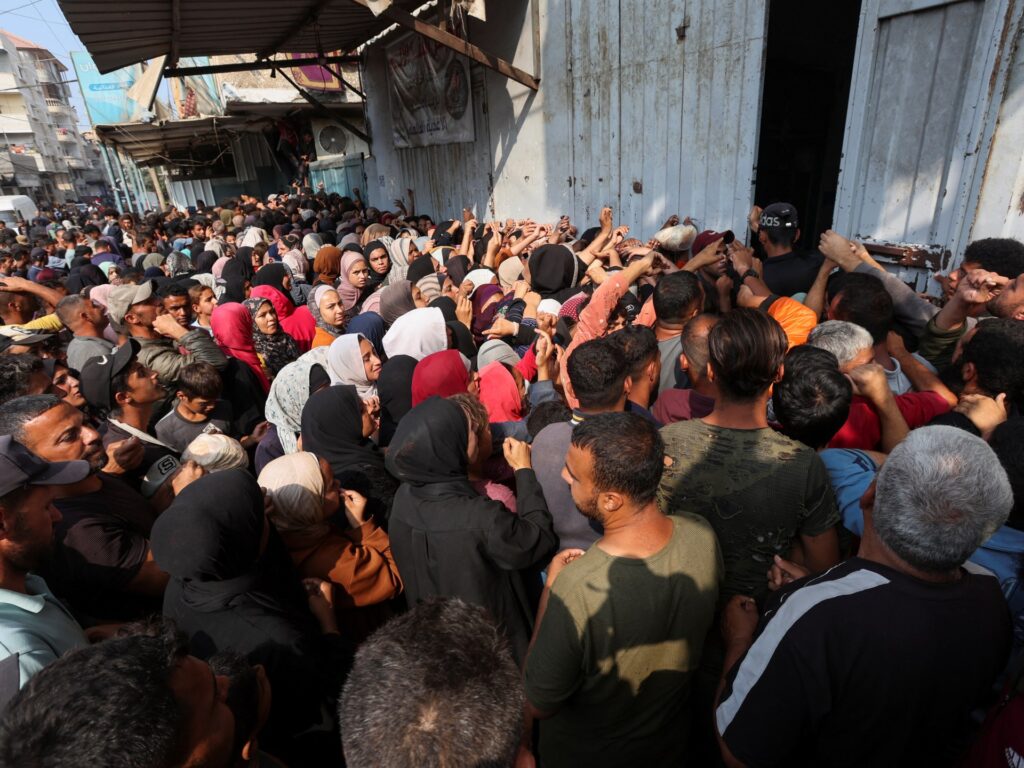
I have spent a total of four years in Gaza, six months of them during the ongoing war. I have never felt so helpless in the face of the formidable war machine that shoves a new bullet into its gun as soon as it has fired the previous one, while having a seemingly unlimited supply of ammunition. In September, I spoke to a matriarch who ran a shelter for displaced people in Khan Younis. I asked her what hope she had about the prospect of peace. She pointed at a small girl holding her mother’s hand and sucking her thumb. “Her father was killed when their house was bombed five days ago, and they’ve not been able to retrieve his body from the rubble because the area is under constant fire,” she said. “What hope?” In hopeless Gaza, sleep is among the most precious commodities. Back in January, we would run to the window to watch the plume of smoke painting the sky after a particularly loud and close hit. But with time, they have become so commonplace that hardly anyone bothers to look any more. Advertisement On an average night in my neighbourhood in Deir el-Balah, bombardment would start at night, just as people would prepare to try to sleep. We would hear the whistling of a missile and then a loud explosion, shaking the windows. The blast would wake up the local dogs, the donkeys, the babies and any other soul who dared to sleep, starting a chain reaction of barking, crying and other agitated noises. More bombs would come that would then be followed by various types of gunfire until all quiets down for a short while. The dawn call to prayer would usually trigger another series of attacks. The apocalyptic scenes that everyone sees on TV are even more harrowing in person. I often find myself deleting photos and videos from my phone because the camera does not do justice to just how grotesque the surroundings appear to the naked eye. In person, the visuals are accompanied by a slew of sounds. This includes the now-daily ritual of people fighting for bread at the nearby bakeries as food supplies are dwindling, amid the almost total cut-off of commercial goods and the persistent and paralysing restrictions on the entry of humanitarian assistance. Just the other week, a woman and two girls suffocated after being trampled in front of a bakery when a fight broke out because there was not enough bread for everyone. My dear friend Khaled, who runs community kitchens across Gaza, worried that soon there would be no food at all and his kitchens would have to close. I struggled to find anything helpful to say to him given the reality around us and would cry every time we spoke, as I too was losing hope. “Don’t cry, Olga,” he always said. “Be strong, like we are.” Indeed, the strength of Palestinians is unparalleled. Advertisement In November, the Famine Review Committee, an ad hoc body of international technical experts that reviews classifications of potential famine identified by the United Nations and other actors, published a report, ringing another alarm over the imminent threat of famine, particularly in the beleaguered north of Gaza. Since then, things have only been getting worse. On several occasions, I saw people scooping up dirty flour that had spilled on the road after some bags of flour had fallen off an aid truck. Prioritising the most vulnerable in Gaza is a hopeless task since there is almost no aid to provide. With 100 percent of a population of about 2.3 million people in need, do you choose to help a pregnant woman, a domestic violence survivor, or someone who is homeless and disabled? Do you look for all of these risks in a single person? The agony of these choices will keep us awake long after our jobs in Gaza end. During the months we have spent in Gaza, my colleagues and I have witnessed so much pain, tragedy and death that we are at a loss for words to convey the horror. We have picked up dead bodies from the side of the road – some still warm and bleeding profusely, others with rigor mortis, half-eaten by dogs. Some of these bodies were young boys. Boys who were killed senselessly, some of them dying slowly as they bled out, terrified and alone, while their mothers agonised over why their sons had not come home that night. For the rest of the world, they became just another number in the grim statistic of people killed in Gaza so far – now more than 45,500, according to the Ministry of Health. Advertisement In the rare moments of quiet and between the chaos of constant crises, I reflect on everything around me and ask myself: “What hope?” The views expressed in this article are the author’s own and do not necessarily reflect Al Jazeera’s editorial stance. Adblock test (Why?)
Earthquake hits Tibet’s Shigatse: What we know so far

A powerful earthquake has struck a remote region of Tibet, killing at least 95 people and wounding dozens, with tremors felt in Nepal, Bhutan and parts of northern India. Videos aired by China’s state broadcaster CCTV showed houses destroyed with the official Xinhua News Agency saying more than 1,000 houses were damaged. The epicentre of the quake was Shigatse, one of the holiest cities of Tibet. Here is what we know so far: What was the magnitude of the Tibet earthquake? The United States Geological Survey said the earthquake measured 7.1 on the Richter scale, while the China Earthquake Networks Center (CENC) recorded a magnitude of 6.8. The quake, just after 9:05am local time (01:05 GMT), shook the region of western China at a depth of about 10km (6 miles). Where was the epicentre of the earthquake? The epicentre of the quake was the Shigatse high-altitude county of Dingri, located on the Chinese side of Mount Everest and home to about 62,000 people. Tuesday’s quake was the most powerful recorded within a 200km (124-mile) radius in the last five years, the CENC added. Advertisement Shigatse is the seat of the Panchen Lama, a significant figure in Tibetan Buddhism, whose spiritual authority is second only to the Dalai Lama. Dingri is currently experiencing temperatures of about minus 8 degrees Celsius (17.6 degrees Fahrenheit). The China Meteorological Administration forecast that the mercury will drop to minus 18 degrees Celsius by Tuesday evening. The remote Shigatse is far from China’s main cities. This, combined with the extreme cold, has hindered rescue efforts, according to Al Jazeera’s Katrina Yu, reporting from Beijing. What do we know about the victims? At least 95 people have been killed and another 130 people are injured, according to Chinese state media. A man in Kathmandu was injured after jumping off the top of a house following strong tremors, Nepal Police spokesman Bishwa Adhikari told Reuters. No other casualties or damages have been reported so far from Nepal, India and Bhutan. Were houses damaged in the quake? The earthquake caused infrastructural damage, with images showing collapsed homes and other buildings reduced to rubble. The Xinhua news agency reported that more than 1,000 houses have been damaged to varying degrees. “Dingri county and its surrounding areas experienced very strong tremors, and many buildings near the epicentre have collapsed,” according to the state broadcaster CCTV. In the town of Lhatse, videos geolocated by AFP showed debris scattered in front of streetside eateries. Rescue teams look through rubble in Shigatse City [Screengrab obtained from a handout video via Reuters] Where were the tremors of the Tibet earthquake felt? Kathmandu, the Nepalese capital, was rattled by the tremor and aftershocks, forcing some residents to rush from their homes. Kathmandu is about 230km (140 miles) south of Shigatse. Advertisement Tremors were also felt in India’s northern state of Bihar which borders Nepal. They were also felt in Bhutan’s capital Thimphu. According to Nepal’s National Disaster Risk Reduction and Management Authority (NDRRMA), shocks were experienced in seven hill districts which border Tibet. People leave their houses during an earthquake in Kathmandu, Nepal [Stringer/Reuters] How has the government responded? The government has deployed some 1,500 rescue workers, including military personnel, to the area. Al Jazeera’s Yu said there are pictures of those affected by the earthquake being treated on the streets. Xinhua reported that some 22,000 items of disaster relief aid have been dispatched to the affected areas, which include cotton tents, quilts and items for high-altitude areas. Chinese President Xi Jinping emphasised “the all-out search and rescue efforts, minimising casualties to the greatest extent possible, properly resettling affected residents, and ensuring their safety and warmth through the winter”, CCTV added. Xinhua said that “local authorities are reaching out to various townships in the county to assess the impact of the quake”. Have the Himalayas recently experienced earthquakes? The Tibetan Plateau is prone to earthquakes because of colliding tectonic plates. Tibet and Nepal lie on a major geological fault line where the Indian tectonic plate pushes up into the Eurasian plate, forming the Himalayas, and earthquakes are a regular occurrence. The region is seismically active, causing tectonic uplifts that can grow strong enough to change the heights of the Himalayas’ peaks. Advertisement There have been 29 earthquakes of magnitude three or above in the past five years within 200km (124 miles) of the Shigatse quake epicentre, according to CCTV. However, authorities say that Tuesday’s quake has been “more powerful” than the other earthquakes in the past five years, Al Jazeera’s Yu reported. In 2015, nearly 9,000 people died and more than 22,000 were injured when a magnitude 7.8 quake struck Nepal, destroying more than half a million homes. On May 21, 2021, an earthquake of magnitude 7.3 rattled China’s southern Qinghai province. Tuesday’s quake is among the worst earthquakes to hit the Himalayan region in 100 years. Adblock test (Why?)
Shooting in the occupied West Bank kills three Israelis
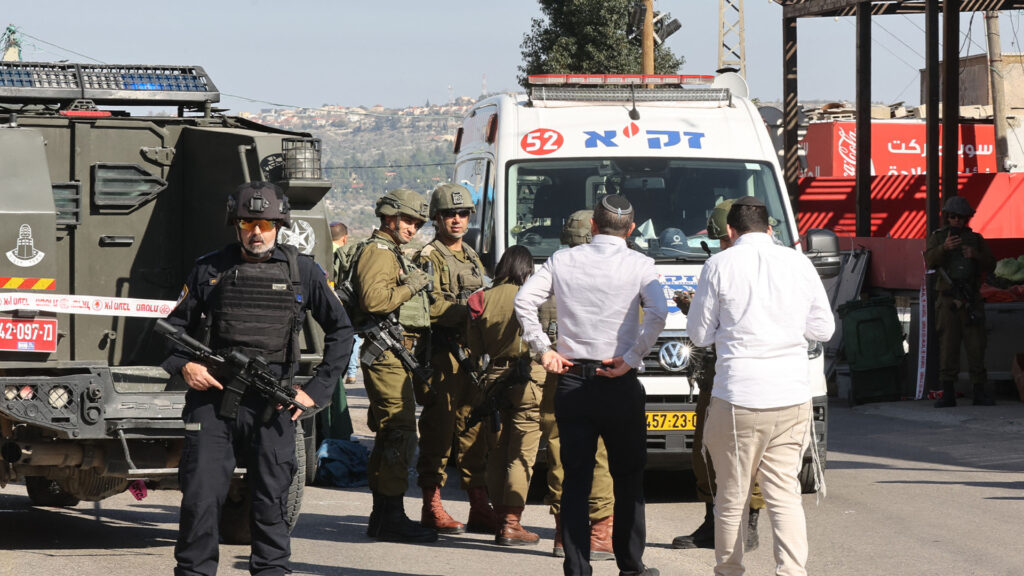
NewsFeed A shooting took place near an illegal settlement in the occupied West Bank, killing three Israelis and wounding several. Published On 6 Jan 20256 Jan 2025 Adblock test (Why?)
How to end the conflict in eastern DRC?
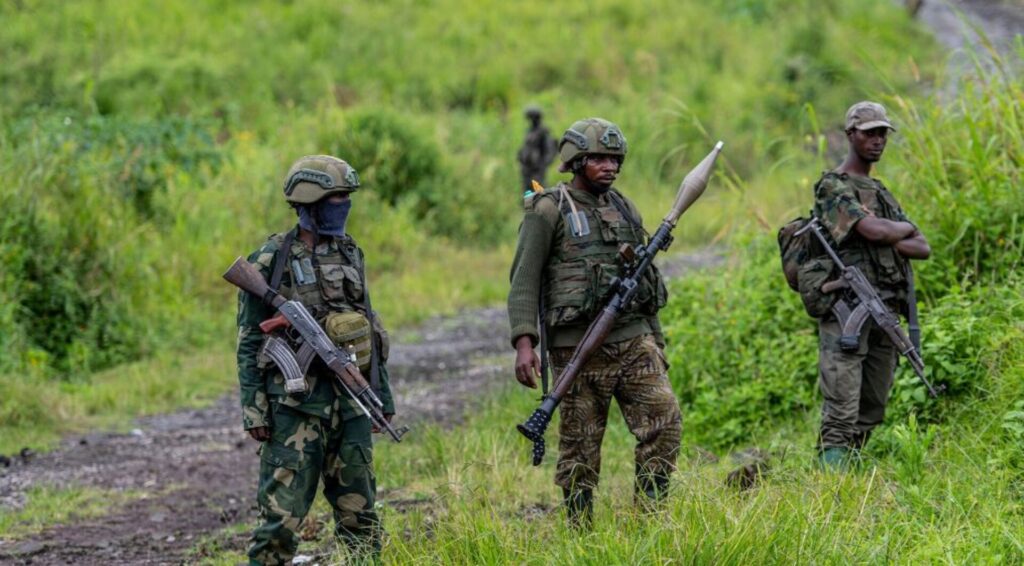
M23 rebel fighters have taken control of two towns in North Kivu province. The eastern region of the Democratic Republic of the Congo (DRC) has been in conflict for more than 30 years. The lives of millions of people have been affected because of the dozens of armed groups active in the area. The most prominent among them is the March 23 Movement (M23), which is widely believed to be backed by neighbouring Rwanda – allegations that the Rwandan government has denied. And M23 fighters have stepped up their offensive in recent months. They’ve captured two towns in recent days and are believed to be just 80km (50 miles) away from Goma, the capital of North Kivu province. So, will regional leaders be able to broker peace to stop this conflict? Presenter: Cyril Vanier Guests: Reagan Miviri – Researcher who specialises in the conflict in the DRC Solomon Dersso – Founding director of Amani Africa, a Pan-African think tank that works on peace, security policy and diplomacy in Africa David Munkley – Director of World Vision’s response to the conflict in eastern DRC Adblock test (Why?)
US Steel, Nippon sue Biden administration over decision to block merger
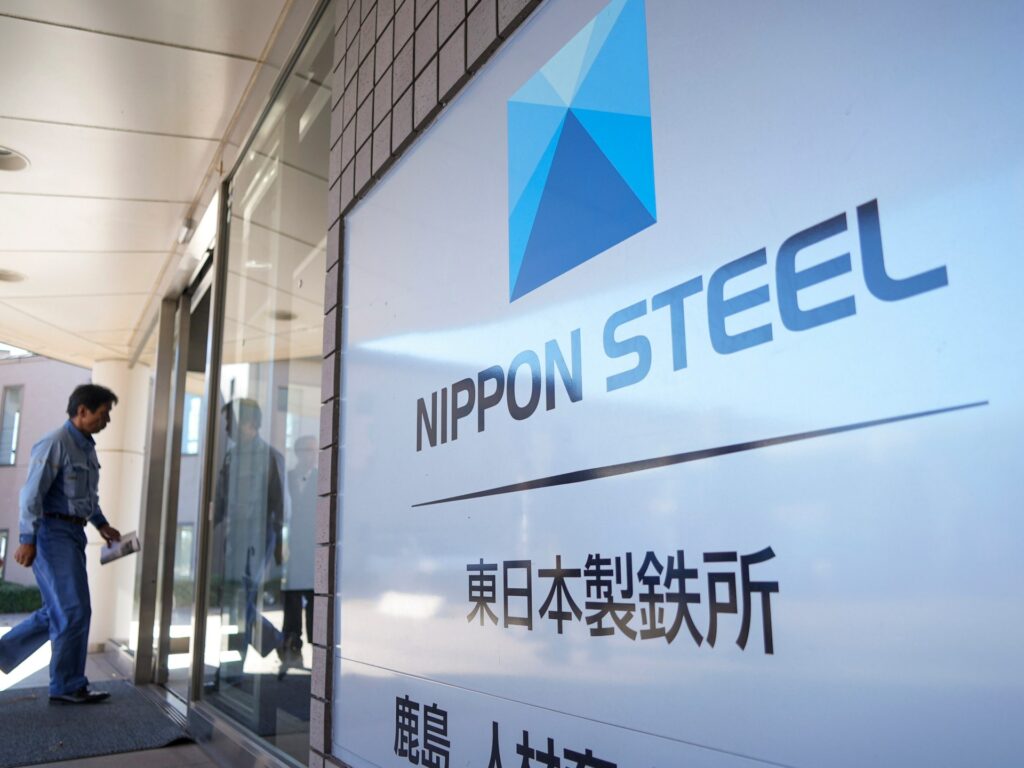
Nippon Steel and US Steel have filed a federal lawsuit in the United States challenging the Biden administration’s decision to block Nippon’s proposed $15bn acquisition of the Pittsburgh company. The companies say the head of the United Steelworkers union and a rival steelmaker worked together to scuttle the buyout. The lawsuit, filed on Monday, alleges US President Joe Biden prejudiced the decision of the Committee on Foreign Investment in the US (CFIUS) which scrutinises foreign investments for national security risks, and violated the companies’ right to a fair review. In moving to block the transaction on Friday, Biden said US companies producing a large amount of steel need to “keep leading the fight on behalf of America’s national interests”, though Japan, where Nippon is based, is a strong ally. This is the first time a US president has blocked a merger between a US and Japanese firm. In separate lawsuits filed in the US Court of Appeals for the District of Columbia and the US District Court for the Western District of Pennsylvania, the steelmakers allege that it was a political decision made by the Biden administration that had no rational legal basis. Advertisement “Nippon Steel and US Steel have engaged in good faith with all parties to underscore how the Transaction will enhance, not threaten, United States national security,” the companies said in a prepared statement Monday. Nippon Steel had promised to invest $2.7bn in US Steel’s aging blast furnace operations in Gary, Indiana, and Pennsylvania’s Mon Valley, and had said it is best positioned to help the US compete in an industry dominated by the Chinese. US Steel has warned that, without Nippon Steel’s cash, it will shift production away from the blast furnaces to cheaper non-union electric arc furnaces and move its headquarters out of Pittsburgh. In a separate lawsuit filed in the District Court for the Western District of Pennsylvania, the companies accused steel-making rival Cleveland-Cliffs Inc and its CEO, Lourenco Goncalves, in coordination with David McCall, the head of the United Steelworkers (USW) union, of “engaging in a coordinated series of anticompetitive and racketeering activities” to block the deal. McCall on Monday called the allegations baseless. In 2023, before US Steel accepted the buyout offer from Nippon, Cleveland-Cliffs offered to buy US Steel for $7bn. US Steel turned down the offer and later accepted an all-cash offer from Nippon Steel which has now been nixed. Politicised merger The merger had become highly politicised ahead of the November US presidential election, with both Democrat Biden and Republican President-elect Donald Trump pledging to kill it as they wooed voters in the swing state of Pennsylvania, where US Steel is headquartered. USW President McCall opposed the tie-up. Advertisement Trump and Biden both asserted the company should remain American-owned even after the Japanese firm offered to move its US headquarters to Pittsburgh, where the US steelmaker is based, and promised to honour all agreements in place between US Steel and the USW. Biden sought to kill the deal to “curry favor with the USW leadership in Pennsylvania in his bid for reelection”, the companies allege. “As a result of President Biden’s undue influence to advance his political agenda, the Committee on Foreign Investment in the United States failed to conduct a good faith, national security-focused regulatory review process,” the companies said in a statement announcing the litigation. A White House spokesperson said “A committee of national security and trade experts determined this acquisition would create risk for American national security. President Biden will never hesitate to protect the security of this nation, its infrastructure, and the resilience of its supply chains.” The prospects are unclear for the lawsuit, which also targets Attorney General Merrick Garland and Treasury Secretary Janet Yellen, who oversees CFIUS. Courts generally give great deference to CFIUS to define national security, experts say. The US Department of Justice declined to comment, and the Treasury Department did not respond to a request for comment from Reuters news agency. Trump, in a post on his social media platform, asked “Why would they want to sell US Steel now when Tariffs will make it a much more profitable and valuable company?” Advertisement Trump has promised to impose tariffs on imports across the board. US Steel, founded in 1901 by some of the biggest US magnates, including Andrew Carnegie, JP Morgan and Charles Schwab, became intertwined with the nation’s industrial recovery following the Great Depression and World War II. The company has been under pressure following several quarters of falling revenue and profit, making it an attractive takeover target for rivals looking to expand their US market share. ‘Manipulated’ review Nippon Steel’s December 2023 bid for US Steel faced headwinds from the start. Biden came out against the deal on March 14, before the CFIUS review had even begun, prejudging the outcome and depriving the companies of due process, guaranteed by both the Constitution and CFIUS regulations, the companies said. McCall endorsed Biden a week later. Biden was later replaced on the ticket by Vice President Kamala Harris, who also opposed the deal and was endorsed by the USW. Following a review, CFIUS normally approves a deal, or recommends the president block it. In rare cases, when the agencies that make up CFIUS cannot agree, they can refer the matter to the president, as they did with the Nippon Steel deal on December 23, setting the stage for Biden’s block. Before that, CFIUS staff were barred from negotiating with the companies on a proposed agreement to address the committee’s national security concerns, the statement alleges, a marked deviation from normal practice. “It is clear that the review process was being manipulated so that its outcome would support President Biden’s predetermined decision,” the companies said. “That cannot be, and is not, the due process to which parties before CFIUS are entitled.” Advertisement Adblock test (Why?)