

Asia’s frustrated young men celebrate the return of Donald Trump
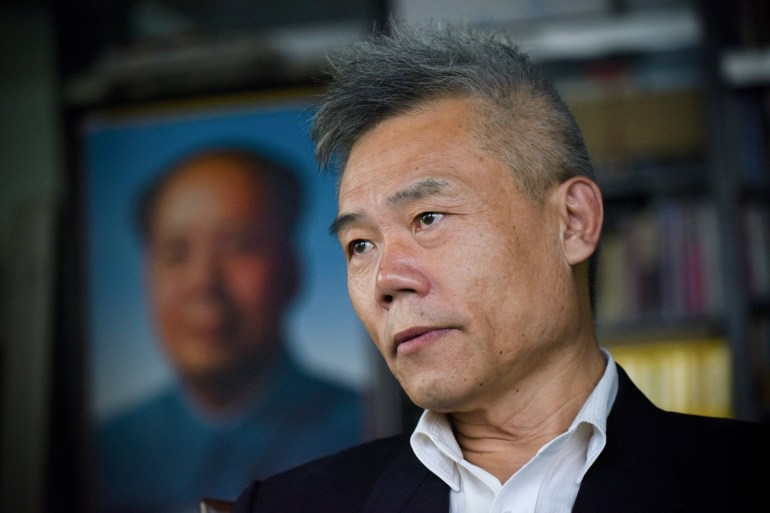
Taipei, Seoul, and Manila – Donald Trump’s popularity among young men who frequent the “manosphere” online has been widely cited as a factor in his re-election as president of the United States. After making its mark in voting booths across the US, Trump’s appeal among male influencers and their followers is reverberating much further afield. Across Asia, where countries such as China and South Korea are experiencing a growing gender divide that mirrors similar trends in the West, Trump’s return to the most powerful political office on the planet has been celebrated in male-dominated spaces online. “Honestly, I really admire Trump, because he is not afraid to face his battles head-on,” zhtttyzhttty, a prominent influencer who discusses the challenges facing men on China’s social media platform Weibo, posted the day after Trump’s victory. Sima Nan, an ultranationalist blogger who has more than 44 million followers on social media, welcomed Trump’s win despite his frequent criticism of the US, citing his “transactional mentality” as a positive. Advertisement “To put it bluntly, Trump is a trader. He calls himself a great trader. Trump will cut ties with Taipei and trade with Beijing,” Nan said on Weibo, referring to Beijing’s stance that self-governing Taiwan is part of its territory. “Everything is for sale for him. The key is the price.” Social commentator and intellectual Sima Nan looks on during an interview in Beijing [Wang Zhao/AFP] On Chinese internet forums where many ordinary young men congregate, praise for Trump, who won 49 percent of male voters aged 18-29 in the US election, has been a common theme both before and since the November 5 vote. “Trump is a businessman, and businessmen usher in the best of times,” one Weibo user wrote after Trump’s re-election. “Only Trump tells you everything with certainty and clarity.” When photos of Trump raising his fist moments after being struck in the ear by a would-be assassin’s bullet ricocheted around the world in July, internet users marvelled at the Republican candidate’s act of defiance. “What an amazing photo,” one Weibo user said. “Trump is so strong,” he continued. The admiration for Trump among some young Chinese stands in contrast to the president-elect’s aggressive rhetoric and policies towards their country. Trump has for years cast China as a threat, accusing it of stealing American jobs and blaming it for unleashing the COVID-19 pandemic on the world. During his election campaign and since, he has threatened to slap steep tariffs on Chinese imports – a move that could potentially inflict huge damage to Chinese companies and the Chinese economy. Advertisement As in other parts of the world, young Chinese men report holding increasingly conservative views relative to their female peers. According to an analysis of Chinese survey data published in the International Journal of Comparative Sociology last year, young Chinese women were more than twice as likely to express egalitarian views than their male peers. And while young Chinese women had far more egalitarian attitudes than previous generations of women, according to the analysis, young men had become only slightly more egalitarian over the same timeframe. Qian Huang, an assistant professor who studies digital culture at the University of Groningen in the Netherlands, said she was not surprised by the support for Trump from the Chinese internet despite his hawkish stance towards Beijing. “It’s quite similar to 2016 when he was first elected, but it has intensified and more people have joined the conversations,” Huang told Al Jazeera. “Trump projects certain masculine traits that many modern men admire and associate with success, and that includes men outside China as well.” Young Trump supporters react as the Republican arrives for a campaign rally in Greenville, North Carolina on October 21, 2024 [Evan Vucci/AP] Whether in the West or Asia, the “manosphere” is not precisely defined beyond being a segment of the internet that is dominated by men and appeals to their interests. Discussions among male influencers and their followers range from misogynistic diatribes about women and critiques of feminism, to complaints about the struggles of men and advice about fitness and dating. Advertisement In South Korea, Jang Min-seo, who runs RedPillKorea, a YouTube channel focused on dating culture and gender issues that takes inspiration from British-American influencer and self-proclaimed misogynist Andrew Tate, welcomed Trump’s victory, viewing it as a win for freedom of speech and male assertiveness. “I think Trump won the election because many Americans wanted a leader who had a bulldozer personality when it came to doing what they promised,” Jang, 35, told Al Jazeera. As for South Korean President Yoon Suk-yeol, whose political future is in doubt following his short-lived declaration of martial law last week, Jang likened the politician to US President Joe Biden, who “doesn’t really know what he’s doing”. “I don’t have any expectations for South Korea’s leaders as they’re so incapable by and large,” Jang said. “Most South Korean politicians are limited to roles like inciting the feminism and PC movement. Authentic conservative politicians who get the job done seem to have disappeared with the fall of the military regime.” Eight in 10 South Koreans in their 20s believe that gender conflict is a serious issue, with more than half of those saying that gender issues affected how they voted in the 2022 presidential election, according to a study conducted by the daily newspaper Chosun Ilbo and Seoul National University. Many young South Korean men now believe that women’s march towards equality, including one of Asia’s most visible #MeToo movements, has come at their expense, a perception that Yoon tapped into during his election campaign by pledging to abolish the Ministry of Gender Equality and Family. Advertisement In a 2021 survey carried out by the Seoul Shinmun newspaper and Hyundai Research Institute, nearly 70 percent of men said that reverse discrimination was a bigger problem than discrimination against women. South Korean women attend a rally to mark International Women’s Day in downtown Seoul on March 8, 2024 [Kim Jae-Hwan/SOPA Images/LightRocket via Getty Images] “The ministry
Brazil’s President Lula to undergo additional surgery for brain bleed
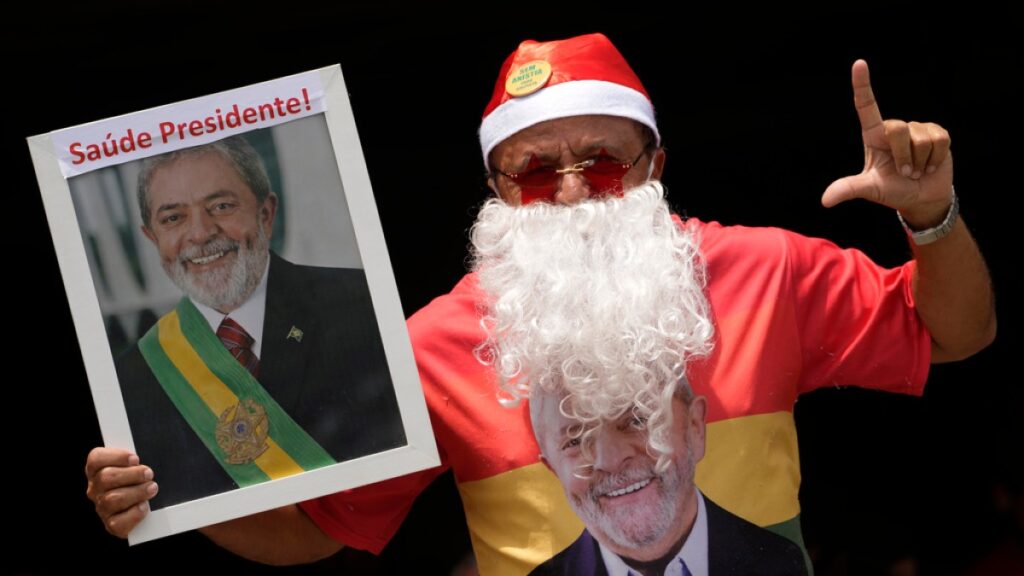
Hospital says that the Brazilian leader is doing well as he prepares for his second surgery of the week following a fall at home. Brazilian President Luiz Inacio Lula da Silva is set to undergo a second medical procedure to address bleeding on the surface of his brain, according to medical staff at a Brazilian hospital. Doctors at the Sirio-Libanes hospital in Sao Paulo, Brazil, announced on Wednesday that the minimally invasive procedure would take place the following morning. Called a middle meningeal artery embolisation, the procedure allows medical professionals to enter a patient’s blood vessels using small tubes. The aim is to insert a small blockage to prevent bleeding from the artery, located on the outside of the brain. This new procedure follows a two-hour surgery Lula, 79, underwent on Tuesday to treat health problems stemming from a fall at home in late October. He had been rushed to the hospital overnight. After Tuesday’s surgery, the Brazilian leader was scheduled to remain in intensive care for a period of about 48 hours. Despite the new procedure on Thursday, doctors emphasised Lula was lucid and recovering. Advertisement “He underwent physiotherapy, walked and received visits from family members,” the doctors said in a statement, noting that he had “spent the day well” and is in good condition. Lula’s personal doctor, Roberto Kalil Filho, also told reporters on Wednesday that the procedure is “relatively simple” and “low risk”, taking no more than one hour. “We waited to see that the president was recovering well before deciding to go ahead with the procedure,” he said. Nevertheless, Lula’s recent medical interventions have raised concerns about his health. Lula, who is currently about halfway through his current term as president, is considered Brazil’s oldest sitting president. He was sworn in for his third term in January 2023, at age 77 — and now, at 79 years old, he surpassed the previous record holder, Michel Temer, who was 78 when he left office. Doctors say Lula will return to the capital of Brasilia at the beginning of next week, with no aftereffects anticipated following the two procedures. Lula’s vice president, Geraldo Alckmin, has been recalled to Brasilia to fill in for official duties. Meanwhile, a gathering of supporters met in Brasilia on Tuesday to offer their support for the popular leftist president, who previously served as president from 2003 through 2011. One man dressed as Santa Claus held up a sign of Lula with the caption “Saúde presidente” — a wish for good health, written in Portuguese. Adblock test (Why?)
UN General Assembly demands ‘immediate’ ceasefire in Gaza, supports UNRWA
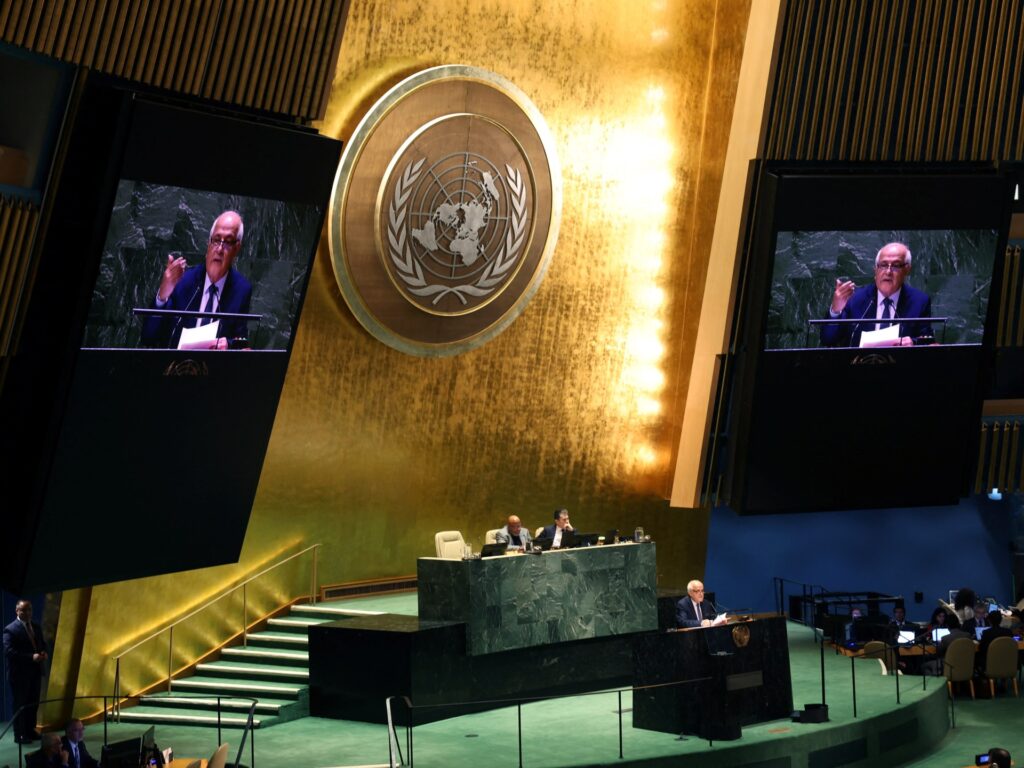
The United Nations General Assembly has voted overwhelmingly to demand an immediate ceasefire in the Gaza Strip and expressed support for the work of the UN’s agency for Palestinian refugees (UNRWA). The assembly on Wednesday passed a resolution demanding an immediate, unconditional and permanent ceasefire in Gaza, which was adopted with 158 votes in favour from the 193-member assembly and nine votes against with 13 abstentions. A second resolution expressing support for UNRWA and deploring a new Israeli law that would ban the UN agency’s operations in Israel was carried with 159 votes in favour, nine against and 11 abstentions. That resolution demands that Israel respect UNRWA’s mandate and calls on the Israeli government “to abide by its international obligations, respect the privileges and immunities of UNRWA and uphold its responsibility to allow and facilitate full, rapid, safe and unhindered humanitarian assistance in all its forms into and throughout the entire Gaza Strip”. Both votes culminated two days of speeches at the UN where speaker after speaker called for an end to Israel’s 14-month war on the Palestinian territory that has killed at least 44,805 people – mostly Palestinian women and children – and wounded 106,257. Advertisement “Gaza doesn’t exist any more,” Slovenia’s UN Ambassador Samuel Zbogar told the General Assembly meeting. “It is destroyed. Civilians are facing hunger, despair and death,” he said. “There is no reason for this war to continue. We need a ceasefire now. We need to bring hostages home now,” he added. Algeria’s deputy UN ambassador Nacim Gaouaoui addressed the world’s inability to stop the war in Gaza: “The price of silence and failure in the face of the Palestinian tragedy is a very heavy price, and it will be heavier tomorrow.” Al Jazeera’s Gabriel Elizondo, reporting from UN headquarters in New York, said “the message is clear with these two resolutions”. “Number one, UNRWA needs to be protected and their mandate needs to be protected and bolstered. Of course, Israel is trying to destroy UNRWA. They’ve made that very clear for many months now,” Elizondo said. “And the second message that it sends is the overwhelming majority of the world is calling for, again, an immediate ceasefire in Gaza,” he said. Israel, US votes against UN resolution Israel and its staunchest ally, the United States, were in a tiny minority of countries and their representatives speaking and voting against the resolutions at the UN. US Deputy UN Ambassador Robert Wood reiterated Washington’s opposition to the ceasefire resolution in advance of the vote and criticised the Palestinians for again failing to mention Hamas’s October 7, 2023, attack on Israel, which killed an estimated 1,139 people and saw more than 200 Israelis taken captive in Gaza. Advertisement “At a time when Hamas is feeling isolated due to the ceasefire in Lebanon, the draft resolution on a ceasefire in Gaza risks sending a dangerous message to Hamas that there’s no need to negotiate or release the hostages,” he said. In advance of the UN vote, Israel’s UN Ambassador Danny Danon accused supporters of the resolutions of complicity with Hamas. “By demanding a ceasefire today without addressing the hostages, this assembly will once again side with those who weaponise human suffering,” Danon said. While UN Security Council resolutions are legally binding, General Assembly resolutions are not, though they do reflect world opinion. The Palestinians and their supporters went to the General Assembly after the US vetoed a Security Council resolution on November 20 demanding an immediate Gaza ceasefire. The language of the ceasefire resolution adopted by the assembly is the same as the text of the vetoed Security Council resolution, and demands “an immediate, unconditional and permanent ceasefire to be respected by all parties,” while also reiterating a “demand for the immediate and unconditional release of all hostages”. Palestinian UN Ambassador Riyad Mansour said last week, during the first day of debate in the assembly’s special session on the issue, that Gaza is “the bleeding heart of Palestine”. “The images of our children burning in tents, with no food in their bellies and no hopes and no horizon for the future, and after having endured pain and loss for more than a year, should haunt the conscience of the world and prompt action to end this nightmare,” Mansour said. Advertisement Adblock test (Why?)
Russia tells citizens not to travel to United States
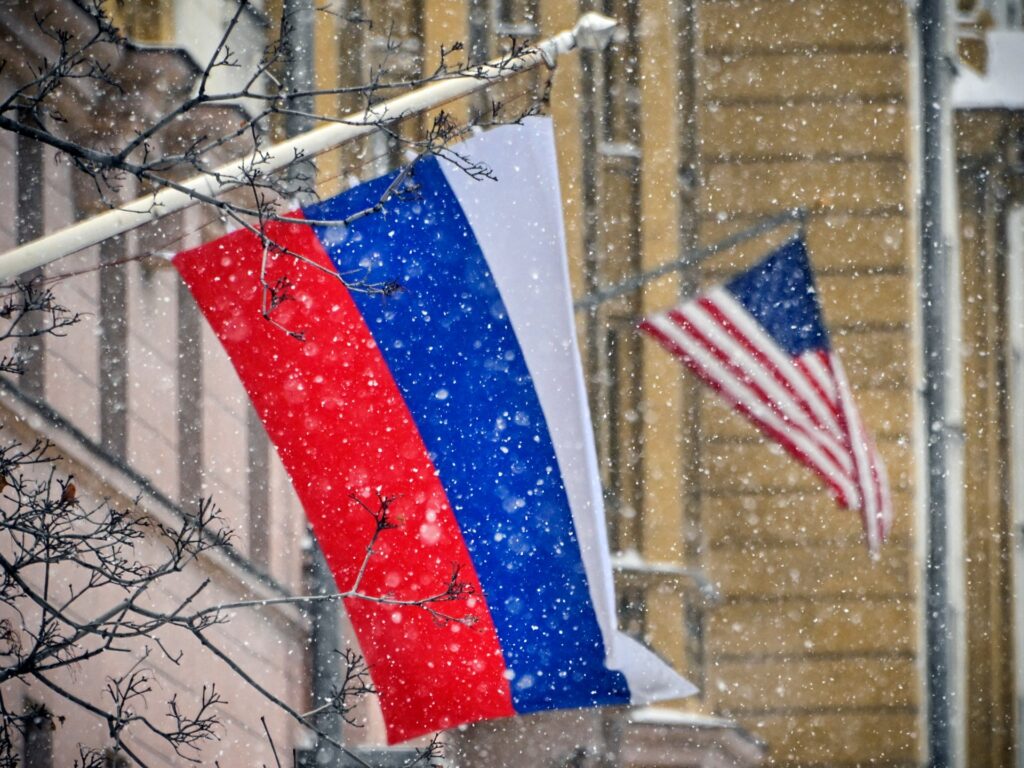
Russians should also avoid heading to Canada and most EU states, warns Moscow’s Foreign Ministry. Russia has warned its citizens not to travel to the United States and other Western countries, claiming they could be “hunted” by the authorities in those states. Ministry of Foreign Affairs spokeswoman Maria Zakharova issued the warning in a news briefing on Wednesday, saying Russians could be caught in the crosshairs of perilous relations with the US. “Trips to the United States of America privately or out of official necessity are fraught with serious risks,” she said, describing US-Russia relations as “on the verge of rupture”. Russians should also avoid travelling to Canada and US allies in the European Union, said Zakharova, describing those nations as US “satellites”. The US also advises its citizens against travelling to Russia, saying “they may face harassment or detention by Russian security officials” or “arbitrary enforcement of local laws” based on their nationality. Russian and US diplomats say ties between the two countries are worse than at any time since the 1962 Cuban missile crisis due to the grinding war in Ukraine. Advertisement The US has been Ukraine’s biggest backer, giving it $62bn in military aid since Russia’s full-scale invasion in February 2022. Last month, the US authorised Ukraine to use US-made long-range tactical missiles deep into Russia, a turning point in the war that angered Moscow and triggered it to lower its nuclear threshold. Russia has also lashed out at a $20bn US loan to Ukraine – to be backed by profits from seized Russian assets. “This is a manic desire to prolong the agony of the Kyiv regime, [Ukrainian President Volodymyr Zelenskyy] himself and all these corrupt deals that the [US President Joe] Biden regime created around the situation in Ukraine,” Zakharova told Russian media. Both Moscow and Washington accuse each other of detaining citizens on trumped-up charges that have no foundation. In August, Russia released three US citizens, including journalist Evan Gershkovich, in an extensive Turkiye-mediated prison swap with Western nations. As part of the deal, the US freed Vladislav Klyushin, a Russian businessman convicted in a “hack-to-trade” fraud scheme; Roman Seleznev, the son of a Russian legislator jailed for involvement in a cyberattack; and Vadim Konoshchenok, a Russian security official arrested in Estonia and extradited to the US. Adblock test (Why?)
The Only Doctor: The struggle for healthcare in the US

After working for years without pay, the only doctor in a poor rural area faces the imminent closure of her clinic. Dr Karen Kinsell is the only doctor in Clay County, one of the poorest and unhealthiest regions in the US state of Georgia. Her run-down clinic has served the rural community for 22 years, but faces bankruptcy. She takes no salary and has spent her inheritance keeping the clinic open, but money is running out and if it closes, her patients will have no doctor. When a medical university plans to open a new health centre, Kinsell hopes they will offer affordable healthcare for all and employ her. But their fees are too high for her poorest patients, whom she will not abandon. With an impending state election and the outbreak of COVID, Kinsell doesn’t give up, taking on extra jobs and appealing for support in the national media in the hope of saving her clinic. The Only Doctor is a documentary film by Matthew Hashiguchi. Adblock test (Why?)
Fact check: Did UnitedHealthcare murder suspect post viral Substack?
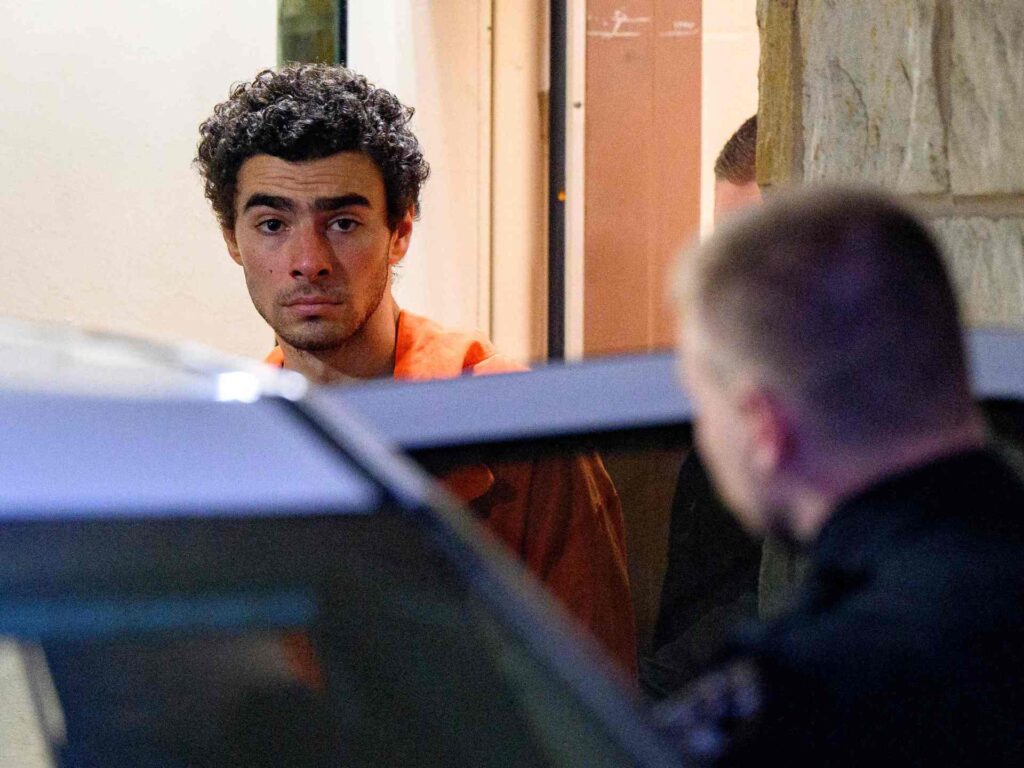
EXPLAINER Online self-publishing platform Substack has removed a post purportedly by Luigi Mangione, chief suspect in the murder of CEO Brian Thompson. By Jeff Cercone | Politifact Published On 11 Dec 202411 Dec 2024 Luigi Mangione, the suspect charged with murder in UnitedHealthcare CEO Brian Thompson’s December 4 shooting death, left a handwritten document explaining his motivation, New York City police officials said. Police had not released the document to the public as of December 10. But some X users were sharing what they said was a manifesto Mangione published on Substack, a subscription-based platform for online content creators. “This is allegedly Luigi’s manifesto,” a December 9 X post with more than five million views said. The post shared four screenshots of text from a Substack post with the headline “The Allopathic Complex and Its Consequences” and the subhead “Luigi Mangione’s last words”. The Substack article was dated December 9, the day Mangione was arrested at an Altoona, Pennsylvania, McDonald’s. “The second amendment means I am my own chief executive and commander in chief of my own military,” it said. “I authorise my own act of self-defence in response to a hostile entity making war on me and my family.” Advertisement We found other social media posts sharing the same images or language as the blog post and saying Mangione had written them. But he did not write them. Substack removed the post “for violating Substack’s Content Guidelines, which prohibit impersonation”, a company spokesperson told PolitiFact in an emailed statement. New York City Police Commissioner Jessica Tisch said on December 9 that police had found a handwritten document when they arrested Mangione “that speaks to both his motivation and mindset”. As of December 10, authorities had not offered more information about its contents. The New York Times reported on the three-page document, citing an internal police report it obtained. Mangione described the act as a “symbolic takedown” of the healthcare industry, citing “alleged corruption and ‘power games’”. None of that language appeared in the Substack post being shared online as Mangione’s manifesto. PolitiFact reviewed reports about the document by The New York Times, CNN, New York Post or ABC News, all outlets that said they had reviewed the message or had it described to them by law enforcement sources. None of the reports included mention of the Second Amendment. PolitiFact has not obtained a copy. We rate claims that Mangione wrote the Substack article as False. Adblock test (Why?)
Kenyan police tear gas protesters marching against femicide
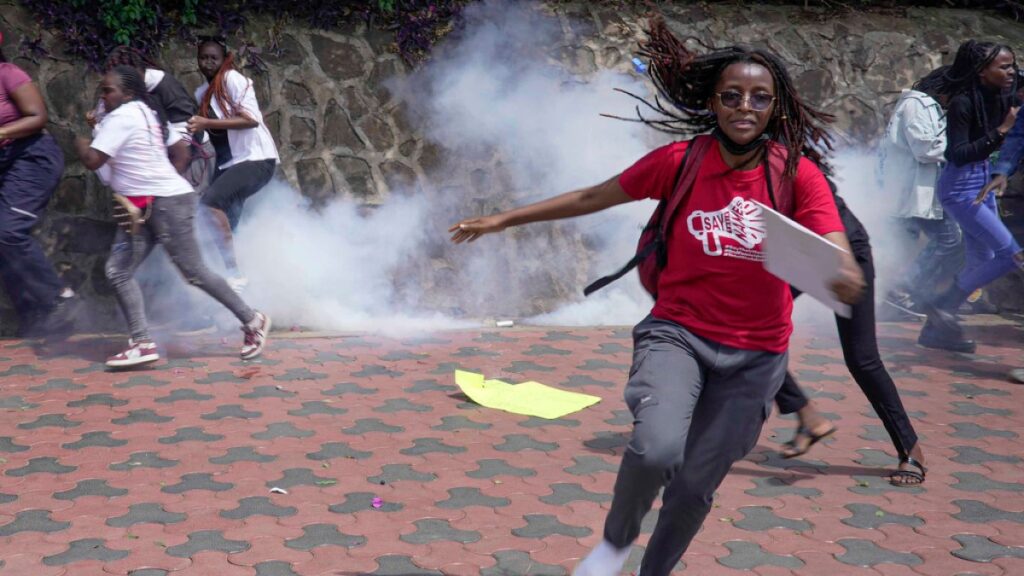
Police in Nairobi used tear gas to disperse protesters, demanding an end to femicide. Several people were injured, and others were arrested. Activists say President Ruto’s $700K pledge to end the crisis is not enough because cases in Kenya continue to rise. Adblock test (Why?)
Police fire tear gas at Kenya protesters rallying against femicide

Hundreds gather in Kenya’s capital to rally against gender-based violence. Police in Kenya have fired tear gas to disperse hundreds of people who gathered to protest against gender-based violence and femicide. Protesters blew whistles and chanted “stop killing women” as they marched in the capital, Nairobi, on Tuesday, and police repeatedly dispersed the crowds. The rally gathered pace as hundreds of women marched towards parliament, with many chanting, “shame on you” and “teach your sons”. At least three people were arrested, the Reuters news agency reported. The protests in Nairobi were peaceful and it was not immediately clear why the police intervened. There was no immediate comment from the police. Protests also took place in the cities of Mombasa and Lodwar, according to videos posted on social media. Among those arrested in Nairobi was Irungu Houghton, executive director of Amnesty International Kenya. Amnesty International and the Law Society of Kenya released a joint statement condemning the police actions, saying it sent a “chilling message” to peaceful protesters. Advertisement “The violent response by police, including the arrest of these peaceful protesters, is a direct attack on Kenya’s democratic principles and the human rights of its citizens,” the statement said. One activist, Mwikali Mueni, told The Associated Press that she suffered a neck injury at the hands of police officers. “It is very sad that I was injured while championing for women not to be injured or killed. If the president is serious about ending femicide, let him start by taking action on the officers who have brutalised us today,” she said. Last month, President William Ruto committed more than $700,000 for a campaign to end femicide. Following the publication of a report by the Kenyan National Commission for Human Rights in November, Ruto labelled gender-based violence “tragic and unacceptable”. Silent epidemic For years, Kenya has experienced an epidemic of gender-based violence. Between August and October, at least 97 women in Kenya were killed in femicides, according to the National Police Service. The police do not provide statistics for earlier periods, but according to figures compiled by the Africa Data Hub, there were at least 75 femicides in 2022 and 46 the year before. According to Kenyan charity The Gender Violence Recovery Centre, one in three Kenyan women have been abused by the age of 18. Acts of abuse mainly come from intimate male partners or male family members. Patriarchal views and insufficient legal protections are major factors behind Kenya’s high levels of gender-based violence, researchers say. Advertisement Police in Kenya have also faced criticism for their actions during antigovernment protests, when at least 60 people were killed in June and July. Adblock test (Why?)
How can Syria be rebuilt and who will pay?
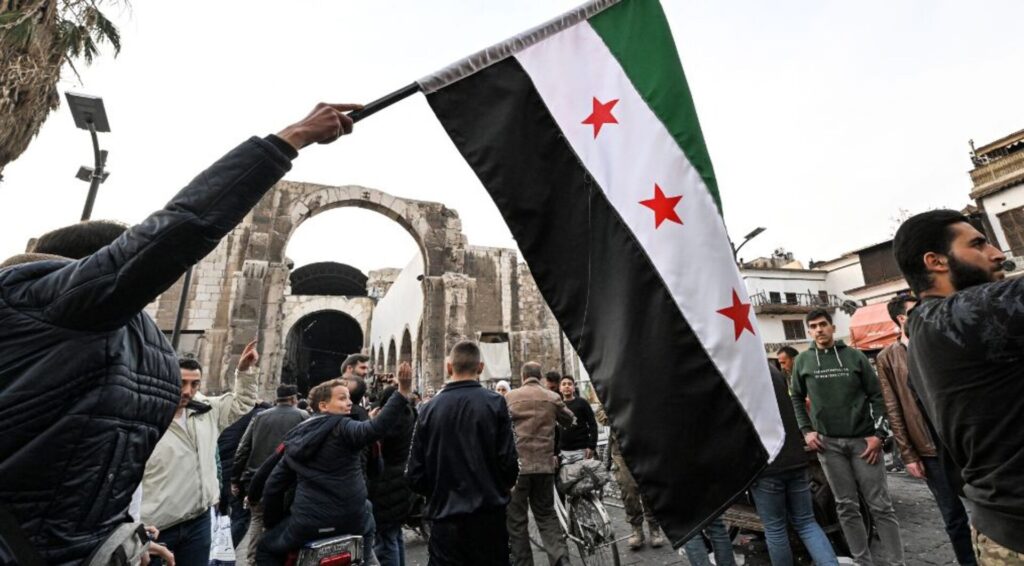
Years of war and sanctions have left much of the country in ruins. Years of war and sanctions mean Syria is in dire need of reconstruction. Foreign funding is essential, along with political stability so work vital to the country’s future can begin. So how can this be achieved? And who will pay? Presenter: Nick Clark Guests: Sinan Hatahet – Non-resident fellow with the Syria Project at the Atlantic Council Tamer Qarmout – Associate professor at the Doha Institute for Graduate Studies Fadi Dayoub – Executive director of the Syrian NGO Local Development and Small Projects Support Adblock test (Why?)
‘Our homes were destroyed’ Palestinian residents return to Yarmouk camp
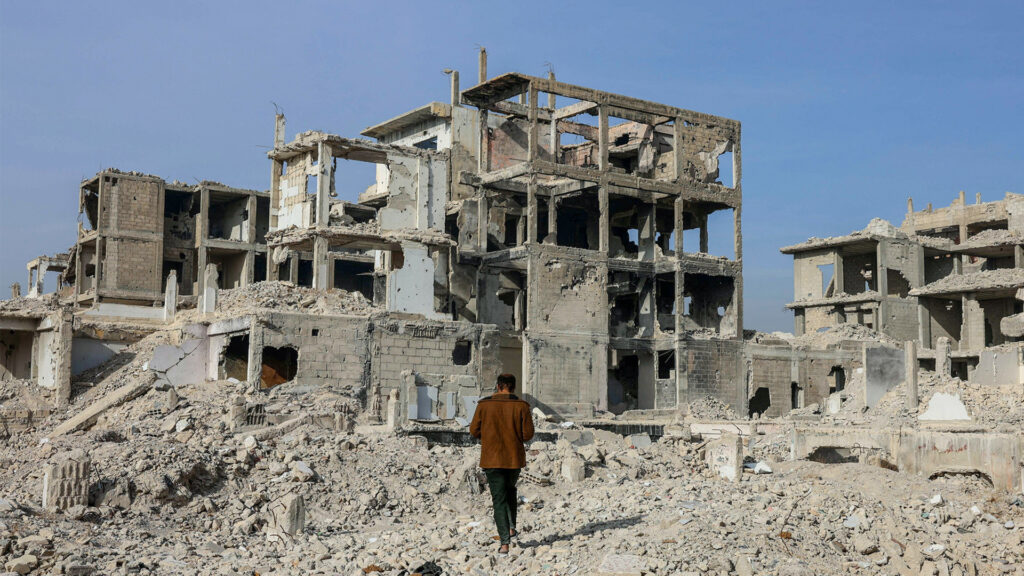
NewsFeed Residents of the Yarmouk Palestinian refugee camp have started returning to their homes, after years of violent clashes during the Syrian civil war. Yarmouk camp was left in ruins, lacking essentials for survival. Published On 10 Dec 202410 Dec 2024 Adblock test (Why?)