

How have Palestinian groups reacted to the ouster of Syria’s al-Assad?
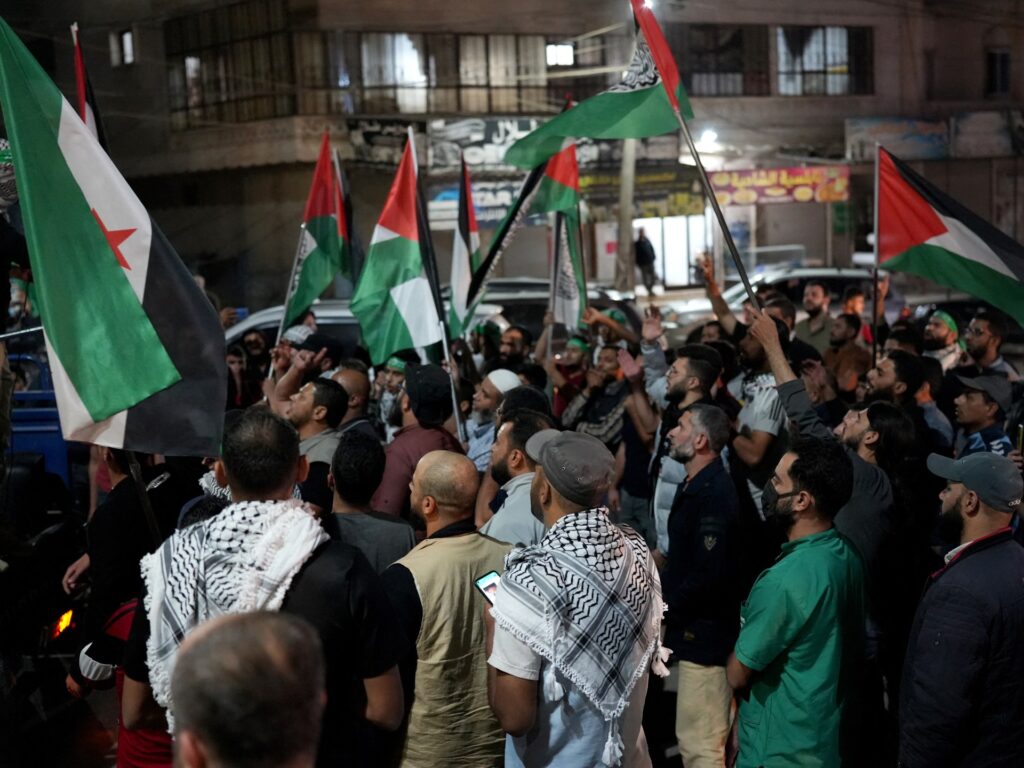
Palestinian factions have largely expressed support for the Syrian people after the ouster of former President Bashar al-Assad while saying that they hope the new authorities will support the Palestinian cause. As daylight broke in Damascus in the early hours of Sunday morning, Syrians woke up to a dramatically changed country after opposition forces swept into Syria’s capital less than two weeks into a lightning offensive. Palestinian factions have supported opposing sides of the Syrian war over the past 13 years. Syria – home to hundreds of thousands of Palestinian refugees – has played a major role in the Arab-Israeli conflict. Here’s how leading Palestinian groups reacted to the fall of al-Assad over the past days: Palestinian Authority (PA) The State of Palestine, run by the PA, said on Sunday that it stands by the Syrian people, “respecting their will and political choices, in a way that guarantees their security and stability and preserves their achievements”. The Palestinian presidency added in a statement that it affirms “the need to respect the unity, sovereignty and territorial integrity of the Syrian Arab Republic, and to preserve its security and stability, wishing continued progress and prosperity for the brotherly Syrian people”. Advertisement The presidency stressed that political parties should prioritise the interests of the Syrian people and back Palestinians’ “just cause towards freedom and independence”. Hamas Hamas congratulated the Syrian people on Monday for achieving their “aspirations for freedom and justice”. “We stand strongly with the great people of Syria … and respect the will, the independence, and the political choices of the people of Syria,” the Palestinian group said in a statement. It also urged Syrians to unite and “rise above the wounds of the past”, condemning what it called the “brutal aggression” by Israel against Syria. Hamas added that it hopes that Syria will continue “its historical and pivotal role in supporting the Palestinian people”. Hamas sided with the uprising against al-Assad early in the crisis despite its alliance with Iran, which backed the government in Damascus. The Palestinian group’s position cooled down ties with Tehran and Hezbollah in Lebanon, but the alliance was eventually revived despite disagreements over Syria. Palestinian Islamic Jihad (PIJ) The Palestinian faction, which is allied with Hamas and Iran, said the recent developments are a Syrian matter that relates to the “choices of the brotherly Syrian people”. “The Islamic Jihad hopes Syria will remain a true supporter and backer for the Palestinian people and their just cause, as it has always been,” Ziad al-Nakhala, the head of the PIJ, said in a statement. The Popular Front for the Liberation of Palestine (PFLP) Advertisement The left-wing group that has previously voiced support for the Syrian government, did not address al-Assad’s fall in its first official statement after opposition fighters captured Damascus. Instead, the PFLP focused on condemning ongoing Israeli attacks on Syria. “This Zionist aggression against Syrian territory carries dangerous dimensions that require solidarity to confront them,” the group said. “The Front stresses that the Zionist enemy’s air strikes against Syria and its incursion into Syrian territory amount to a dangerous escalation in the aggression against the people and states of the region,” it added. “The enemy is trying to take advantage of the phase of internal changes in Syria to achieve renewed goals of aggression against Syria and its people.” The Palestinian National and Islamic Forces in Damascus The coalition, which includes several Palestinian factions, described the ouster of al-Assad as an internal Syrian affair. “The Palestinian National and Islamic Forces in Damascus looks forward sincerely to the Syrian people’s right to determine their future and build a unified, fully sovereign Syria in a framework of freedom, justice, democracy and equal citizenship without discrimination,” the coalition said. It added that it hopes for a “Syria that continues to fulfil its brotherly and national duties towards the Palestinian people”. Adblock test (Why?)
Syrians who fled home rejoice at Assad’s ouster, although some are cautious
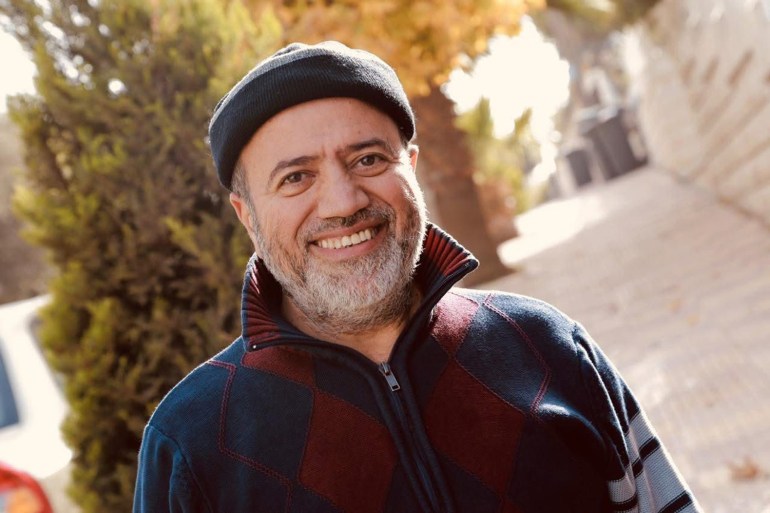
Beirut, Lebanon – Youssef Salah and Mohammad Mahmoud exchanged joyful cheek kisses from their motorbikes in Cola Roundabout, a busy transport hub in Beirut. “Today is the best morning,” the smiling Mahmoud, 20, said. “We feel the biggest joy,” he gestured at Ali al-Abed, 20, who was seated behind him. “We’re from Deir Az Zor,” al-Abed said, adding: “Free Deir Az Zor, write it down like that!” A man from south Lebanon buying breakfast from a kaak (a type of Arabic bread) vendor shouted over: “Who will rule you now? The Americans, the Israelis?” “I don’t know, but it’s been 13 years,” Mahmoud shouted back. “Khalas [enough]!” The three young men were beaming the morning after the end of the al-Assad dynasty’s rule in Syria after 53 years. A lightning offensive by Syrian opposition groups that freed people in regime prisons and took big cities – Aleppo, Hama, Homs and finally Damascus – took just more than a week. Hafez al-Assad came to power in 1971, and his son Bashar succeeded him in 2000, after Hafez’s death. Advertisement Syrians rose against the regime in 2011 but faced a brutal crackdown that devolved into a war involving regional and international actors. As of the end of November, more than five million Syrians were refugees around the region and millions more were internally displaced. Syrians who had to flee their homeland to escape the violence spoke to Al Jazeera about the tumultuous feelings they woke up to on Sunday. Echoes of cruelty Most around the region welcomed the end of the al-Assad dynasty. “One heart isn’t enough to hold this great joy,” Yehya Jumaa, a Homsi in Jordan, told Al Jazeera. “We need 10 hearts to bear this joy.” Yet, the regime has fallen, but the echoes of its brutality live on through the damage it has done to many of its people. Mohammad, 33, a Homsi in Chtoura, Lebanon, said three of his relatives were released from prison on Sunday, but others were still missing. However, Mohammad said, the veil of fear of speaking the truth had lifted. Abdelmonieim Shamieh in Amman, Jordan [Habib Abu Mahfoudh/Al Jazeera] “In the past, if you approached me, I wouldn’t have talked. But now we aren’t scared,” he said, standing outside a shopping centre in Chtoura, about half an hour’s drive from Beirut. “All the fear is gone.” Behind him, Syrians rejoiced and chanted loudly: “God, Syria, freedom and that’s all!” Jumaa was also saddened, he said, by the state of the prisoners who were released from regime prisons. “So many had no idea what had been going on for years. Some thought it was [late Iraq strongman ] Saddam Hussein who had liberated them.” Advertisement Aleppan Abdelmonieim Shamieh, who is also in Jordan, said he, too, had experienced al-Assad’s prisons when he was taken as a high school student in 1982. “I was overcome with joy, with tears at the sight of the detainees … when I was in the prison cells, I saw with my own eyes and heard with my own ears the torture prisoners suffer, something no human can bear.” “Many of my friends [who were arrested with him] died under torture,” Shamieh said. Going home? In Cairo, Egypt, two young Syrians spoke of returning to their homeland, even though only one of them is old enough to remember the land he left. Amjad, 22, is a happy man as he went through his shift. Amjad is full of hope that he will be able to go home [Al Jazeera] His Egyptian co-workers had rejoiced with him, hugging and congratulating him for what happened in Syria. “Now I can go back and live in my country,” he said with tears in his eyes. He had fled Syria two years ago, to get away from a brutal conscription service that could last up to eight years as al-Assad tried to shore up his forces. Now, he does not have to stay away. “As soon as my UN card expires, in two months, I will travel.” A few blocks over, 16-year-old Suleyman Sukar is minding the shop at the small roastery his family co-owns. The teen got no sleep on Saturday night as the family waited for developments in the approach to Damascus, yet seemed alert enough on Sunday, teeming with thoughts. He was only four years old when his family had to flee Ghouta in 2012 as regime attacks intensified, he said. So he remembers very little of his beloved Syria. Advertisement Instead, his attachment to “home” came through the memories of his parents and brothers, and through talking to his extended family back home. Settling in Egypt was not easy for the Sukars as his parents had to work odd jobs for seven years before they saved enough to open the roastery. Suleyman got no sleep on Saturday night as his family waited for news of the fall of Damascus [Al Jazeera] But it does not matter, Suleyman said. As soon as things were stable in Syria, they would go home. Suhaib al-Ahmad, a 58-year-old grocer in the Turkish capital, Ankara, agrees and believes Syrians abroad should contribute to the reconstruction of their homeland. “We must return with hearts full of hope and work to restore Syria as it was and even better,” he said “I hope this joy is a good omen for Syria and its people … I also hope Syria’s future will be bright, just as we always dreamed.” Back at Tariq el-Jdideh, Beirut, Bishar Ahmad Nijris stood, jubilant, chatting at his fruit stand. “It’s a victory for the whole world,” Nijris, 41, said. “There’s no more oppression and we can all live as one people, without sectarianism … That’s what we want.” Suhaib al-Ahmad set up a grocer’s in Ankara when he fled the fighting in Syria [Zaid Isleem/Al Jazeera] Nijris is also a veteran of al-Assad’s prisons after being arrested and held without charges for two months in Mezzeh prison in 2013. He hails from
Beirut under Israeli bombing
[unable to retrieve full-text content] As Israel continues to bomb Lebanon, as much as a quarter of the country’s residents are displaced.
South Africa vs Pakistan – T20 series: When, where, teams, head-to-head

Who: South Africa vs PakistanWhat: T20 international cricket seriesWhen: December 10, 13, 14 at 16:00 GMTWhere: Durban, Centurion, Johannesburg South Africa and Pakistan will look to shake off a string of poor results in T20 internationals when the two sides meet in a three-match series starting Tuesday. The runners-up of the last two ICC Men’s T20 World Cups, South Africa in 2024 and Pakistan in 2022, have both seen their T20 fortunes drop in recent bilateral T20 series. South Africa were at the receiving end of a 3-1 thrashing against world champions India at home and while Pakistan managed to beat Zimbabwe 2-1, they were handed a 3-0 drubbing in Australia in November. The hosts will be led by stand-in skipper Heinrich Klaasen as Aiden Markram has been rested for the Test leg of Pakistan’s tour of South Africa. Meanwhile, Pakistan have taken the opposite route, choosing to rest leading pace bowler Shaheen Shah Afridi from the Tests as they look to manage his workload before the home ICC Champions Trophy 2025. Advertisement Pakistan’s new limited-overs captain Mohammed Rizwan returns to lead the side after sitting out the white-ball tour of Zimbabwe. What’s the full match schedule of the Australia vs Pakistan T20 series? First T20: Tuesday, December 10, 6pm (16:00 GMT) at Sahara Stadium, Kingsmead, Durban Second T20: Friday, December 13, 6pm (16:00 GMT) at SuperSport Park, Centurion Third T20: Saturday, December 14, 6pm (16:00 GMT) at The Wanderers Stadium, Johannesburg How can I follow the South Africa vs Pakistan T20 series? Al Jazeera’s live text and photo coverage of each game will begin three hours before the match start time. South Africa vs Pakistan: T20 head-to-head record South Africa and Pakistan have been facing each other in T20Is from the earliest days of the format and their first game took place in February 2007, a few months before the African nation hosted the inaugural ICC Men’s T20 World Cup. In total, the teams have played 22 T20 matches with nearly even results. Pakistan hold a slight edge with 12 wins, while the Proteas have won 10. Form guide: South Africa The World Cup runners-up have endured a forgettable run in T20Is format since the June 29 final in Barbados. In their three bilateral T20I series since the World Cup, the Proteas have lost 3-1 to India at home, drawn 1-1 with Ireland in the United Arab Emirates and lost 3-0 away to the West Indies. Last five results (latest first): L L W L L Form guide: Pakistan Similar to South Africa’s run in T20s since their appearance in the final, Pakistan, have been in a downward spiral since their runners-up finish at the T20 World Cup in 2022. Advertisement Since losing to England in the Melbourne final, Pakistan have lost three of their six bilateral series. Their only series victories have come against Zimbabwe (2-1) and Ireland (2-1). The 2009 champions have lost away to England (2-0), drawn at home against a depleted New Zealand side (2-2), lost away to New Zealand (4-1) and away to Afghanistan (2-1). Last five results (latest first): L W W L L South Africa team news The hosts will be led by the swashbuckling batter Klaasen in Markram’s absence with Marco Jansen, Keshav Maharaj, Kagiso Rabada and Tristan Stubbs also sitting out. Fast bowler Anrich Nortje and spinner Tabraiz Shamsi return to the T20 side for the first time since the T20 World Cup. Squad: Heinrich Klaasen (captain), Ottneil Baartman, Matthew Breetzke, Donovan Ferreira, Reeza Hendricks, Patrick Kruger, George Linde, Kwena Maphaka, David Miller, Anrich Nortje, Nqaba Peter, Ryan Rickelton, Tabraiz Shamsi, Andile Simelane, Rassie van der Dussen. Pakistan team news After resting a number of T20 regulars for the series against Zimbabwe, including captain Rizwan, Pakistan have brought back Rizwan and Babar for the South African tour. Shaheen Afridi will lead the pace attack along with Haris Rauf, but Naseem Shah will miss out. Squad: Mohammad Rizwan (captain), Abrar Ahmed, Babar Azam, Haris Rauf, Jahandad Khan, Abbas Afridi, Mohammad Hasnain, Irfan Khan, Omair Bin Yousuf, Saim Ayub, Salman Ali Agha, Shaheen Shah Afridi, Sufiyan Muqeem, Tayyab Tahir and Usman Khan. Adblock test (Why?)
Syrians around the world celebrate the fall of Bashar al-Assad
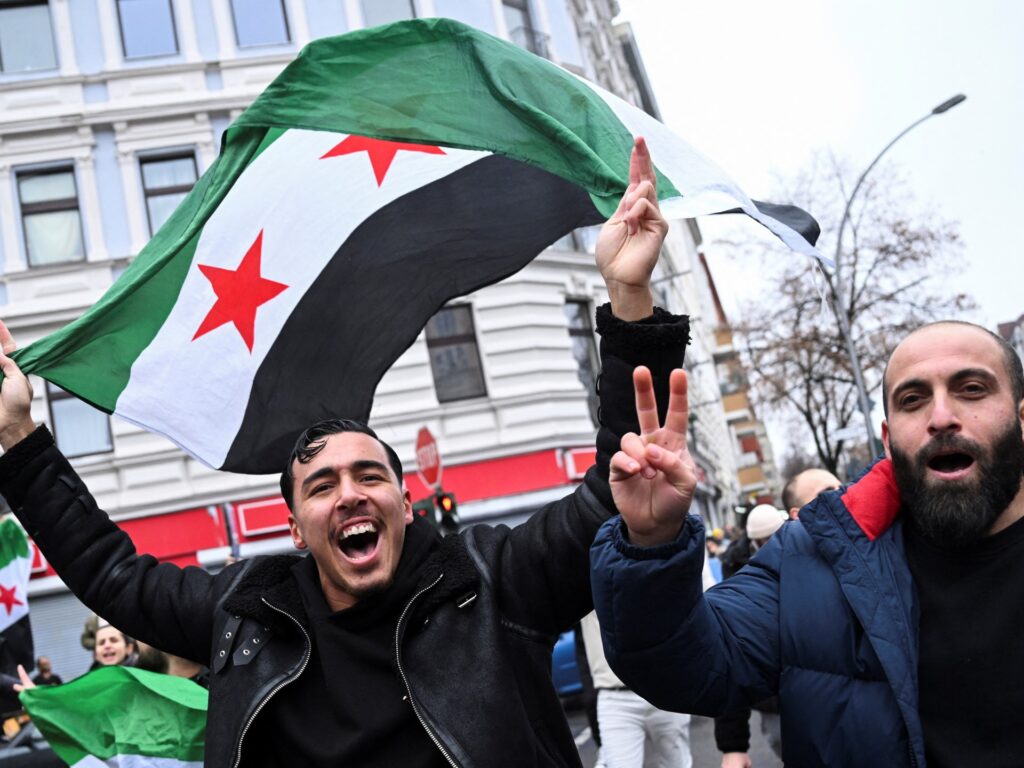
Syrians gathered in cities around the world to celebrate the fall of Bashar al-Assad’s government with chants and prayers after opposition fighters entered the capital Damascus following a stunning advance. The Syrian opposition said that it had defeated al-Assad’s regime in the early hours of Sunday, forcing the ousted president to flee the country. Russian media reports have said that he has been given asylum by his main backer, Russia. It was the first time opposition forces had reached Damascus since 2018, when Syrian troops recaptured areas on the outskirts of the capital following a years-long siege. Syria’s war erupted in 2011 as an uprising against al-Assad’s rule and quickly morphed into a full-blown conflict that dragged in foreign powers. Hundreds of thousands of people were killed while millions were forced from their homes in one of the world’s largest refugee crises. Adblock test (Why?)
Syria’s deposed former leader al-Assad in Moscow: Russian media
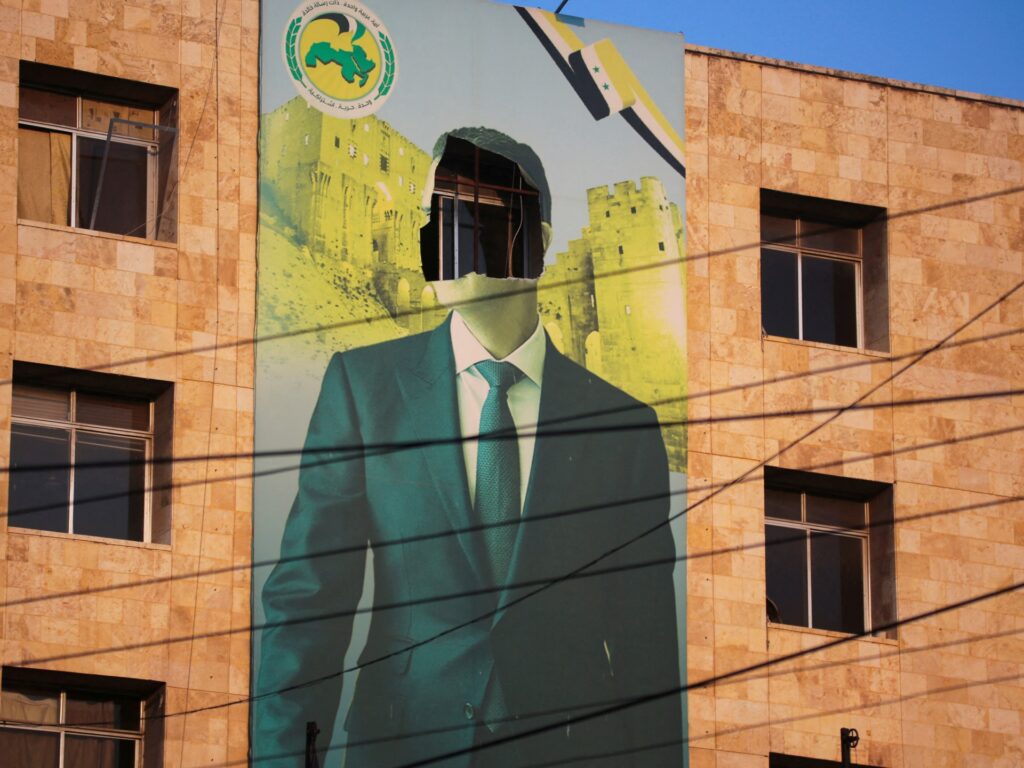
Russia has granted the al-Assad family asylum on ‘humanitarian grounds’, Russian news agencies report. Syria’s ousted President Bashar al-Assad and his family have arrived in Russia after being granted asylum by Russian authorities, Russian news agencies reported, citing a Kremlin source. Russia has granted the family asylum on “humanitarian grounds”, the Interfax, TASS and Ria Novosti news agencies reported on Sunday, quoting the unnamed source. Al-Assad’s whereabouts were unknown after armed opposition fighters captured Damascus in the early hours of Sunday morning, declaring that his government had been toppled. The advance came less than two weeks into the opposition’s lightning offensive. “Right now we see that a number of sources, including the BBC’s Russian service, for instance, have reported that al-Assad could possibly have been evacuated by a Russian plane from a Russian air base in Latakia, Syria that took off several hours ago with its transponders turned off,” Al Jazeera’s Yulia Shapovalova said from Russia’s capital Moscow. Speaking at the White House, US President Joe Biden stated that he was not sure where al-Assad was, but that “there is word he is in Moscow”. Advertisement “The fall of the regime is a fundamental act of justice. It’s a moment of historic opportunity for the long-suffering people of Syria to build a better future for their proud country,” Biden also said. The Russian Foreign Ministry had said earlier on Sunday that al-Assad had resigned and left Syria. Crowds ransacked the deposed leader’s opulent home after the opposition forces declared he had fled. Residents in the capital were seen cheering in the streets shortly after rebel factions declared “the city of Damascus free”. Meanwhile, Russian news agencies also reported that Syrian opposition leaders have guaranteed the safety of Russian military bases and diplomatic missions inside Syria. “Russian officials are in contact with representatives of the armed Syrian opposition, whose leaders have guaranteed the safety of Russian military bases and diplomatic institutions on the territory of Syria,” TASS reported, citing a Kremlin source. That is despite Russia having been an active participant in Syria’s war, supporting al-Assad and carrying out repeated bombing raids on opposition areas, resulting in the deaths of civilians. Russian support reversed the tide of the war in 2015, when opposition fighters were threatening Damascus. Instead, al-Assad was able to push the opposition to enclaves in the north of the country, until the rapid rebel advance that began in late November. The events of Sunday came after 13 years of war, which also put an end to more than half a century of the al-Assad family’s rule. Advertisement The Syrian war started as a largely unarmed uprising against al-Assad in March 2011, which eventually became an all-out war that dragged in foreign powers, killed hundreds of thousands of people and turned millions into refugees across the world. Adblock test (Why?)
US caught by surprise as Syria overthrows al-Assad: Analysis
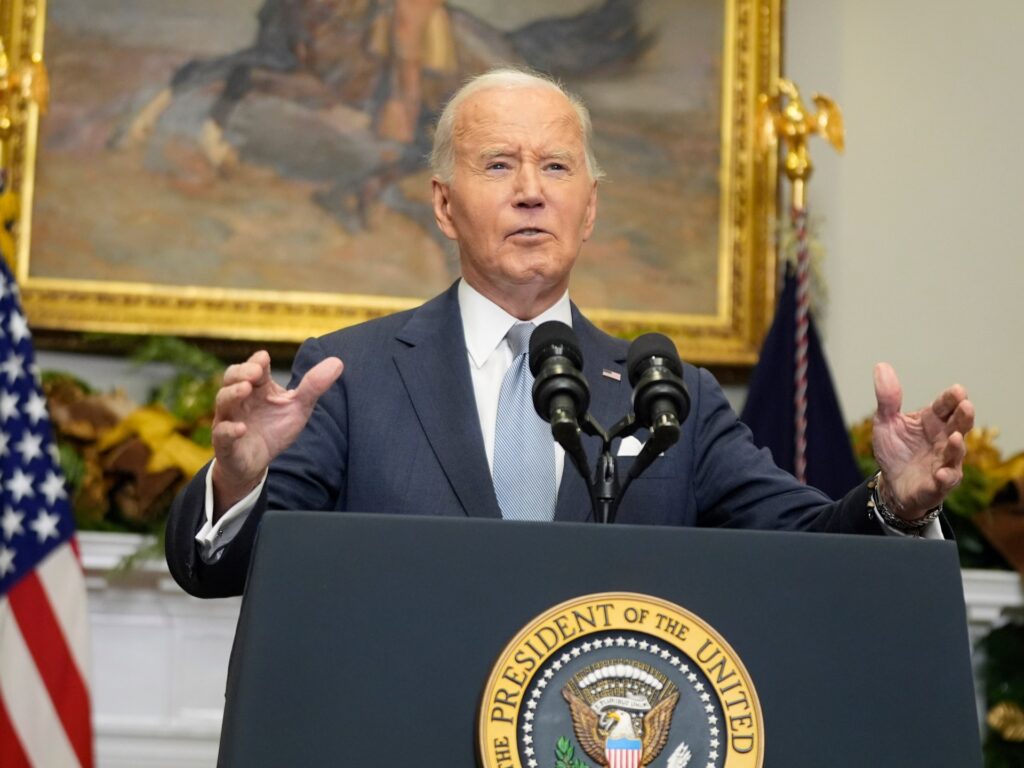
Washington, DC – A lightning-quick offensive has seen Syria’s opposition take control of major cities and large swaths of territory, toppling the government of longtime leader President Bashar al-Assad and indelibly altering the war-torn country’s future. The events represent a remarkable reversal of fortunes in Syria and enlivened a multipronged civil war that appeared largely stagnant for years. The situation, analysts told Al Jazeera, also appears to have been largely unanticipated by the administration of United States President Joe Biden, and raises galling questions over how Washington will proceed in the weeks and months ahead. “I think everything that’s happening caught them by surprise,” Qutaiba Idlbi, a senior fellow at the Washington, DC-based Atlantic Council, told Al Jazeera. “So many of us analysts and Syria watchers have been wondering what’s going to come next.” “[The Biden administration] will need to recalibrate their approach to Syria,” added Idlbi, who is also a Syrian refugee. But that is all but assured to be constrained by Biden’s diminished power before he hands over the office in January to president-elect Donald Trump, he said. Advertisement “I feel that the events on the ground are moving way too quickly for them to catch up, especially in this lame-duck session.” ‘Historic opportunity’ or ‘risk and uncertainty’? Speaking on Sunday – hours after opposition groups led by Hayat Tahrir al-Sham (HTS) entered the Syrian capital of Damascus and sent al-Assad fleeing the country – Biden gave his first response to what he described as both a moment of “historic opportunity” and “risk and uncertainty”. Biden said the end of al-Assad’s presidency was in part due to US support for Israel’s war on Gaza and its fight against Hezbollah in Lebanon, as well as support for groups in Syria and Iraq that weakened Syria’s close ally, Iran. He also pointed to US support for Ukraine’s war against Russia’s invasion, which siphoned resources from Moscow, a close ally of al-Assad: “The upshot of all of this, for the first time ever, neither Russia [nor] Iran or Hezbollah could defend this abhorrent regime in Syria,” Biden said. Looking ahead, Biden said Washington would prioritise supporting Syria’s neighbours – including Jordan, Lebanon, Iraq and Israel. He said US forces would remain in northeast Syria, where they support the Kurdish-led Syrian Defence Forces against ISIL (ISIS). About 900 US troops are currently in the northeast of the country. Finally, Biden pledged to engage “with all Syrian groups”, while vowing to “remain vigilant”. “Make no mistake, some of the rebel groups that took down Assad have their own grim record of terrorism,” he said. Advertisement A senior US official quoted by Reuters, however, said that HTS was “saying the right things”. ‘Six weeks left on the clock’ The first official response from the White House underlines several key questions that will determine the shape of US policy on Syria going forward. But Biden – during his short time left in office – is unlikely to provide those answers, according to Aaron David Miller, a senior fellow at the Carnegie Endowment for International Peace and a former Middle East analyst at the State Department. “You’re talking about an administration that has six weeks left on the clock,” he said. “And with six weeks left on the clock, I would just try to prevent and guard against potential complications or catastrophes.” That means most major decisions will likely be made by Trump. During his first term, Trump repeatedly sought to withdraw US troops from Syria. He appeared to re-up that effort on Saturday, writing on his Truth Social account that the US “would have nothing to do” with the country. The Biden administration has also not articulated how it will mediate its support for the SDF’s fight against ISIL with the evolving landscape on the ground. Like other rebel groups, the SDF has seized new territory – including the eastern city of Deir Az Zor and the Abu Kamal border crossing with Iraq – in recent days. Speaking to reporters last week, Pentagon spokesman Pat Ryder said US forces were not “participating in combined arms manoeuvre with the SDF” in their offensive. Advertisement But the fluid situation on the ground could see more opportunities for escalation between the SDF and the Turkish-backed Syrian National Army (SNA) group, according to analyst Idlbi. “Of course, those questions are still pending,” he said. The Biden administration is also widely expected to revisit its designation of HTS as a “terrorist organisation”, which could restrict US engagement with any fledgling transitional government. Jabhat al-Nusra was formed in 2012 by ISIL but broke from the group a year later and pledged allegiance to al-Qaeda. It joined with other factions and broke from al-Qaeda in 2017, rebranding as HTS. Its leader, Abu Mohammed al-Julani, whose real name is Ahmad al-Sharaa, has since portrayed himself as a supporter of pluralism and equality, but wariness remains for how the group would treat the vastly diverse communities that make up Syria’s population. The US government continues to have a $10m bounty on his head. ‘Backburner’ Despite Biden’s celebration over al-Assad’s ousting, Idlbi said he remains wary that this was the outcome the administration wanted to see. At the very least, he said the Biden administration had been caught flat-footed between diverging schools of thought: One that supported keeping al-Assad in power to avoid a vacuum, while coaxing him away from Iran, and another that supported wider regime change. He pointed to a Reuters news agency report last week that said the US and United Arab Emirates had recently discussed the possibility of lifting sanctions on al-Assad if he agreed to pull away from Iran and cut off weapons routes to Hezbollah. Advertisement The principles of the Biden administration’s approach to the situation, with its deprioritisation of Syria since taking office in 2021, never fully took form, he added. “Syria has been put on the back burner for the last four years, and the burner has been turned off,” Idlbi said. In many ways, the
Ex-Syrian PM to supervise state bodies until transition, al-Julani says
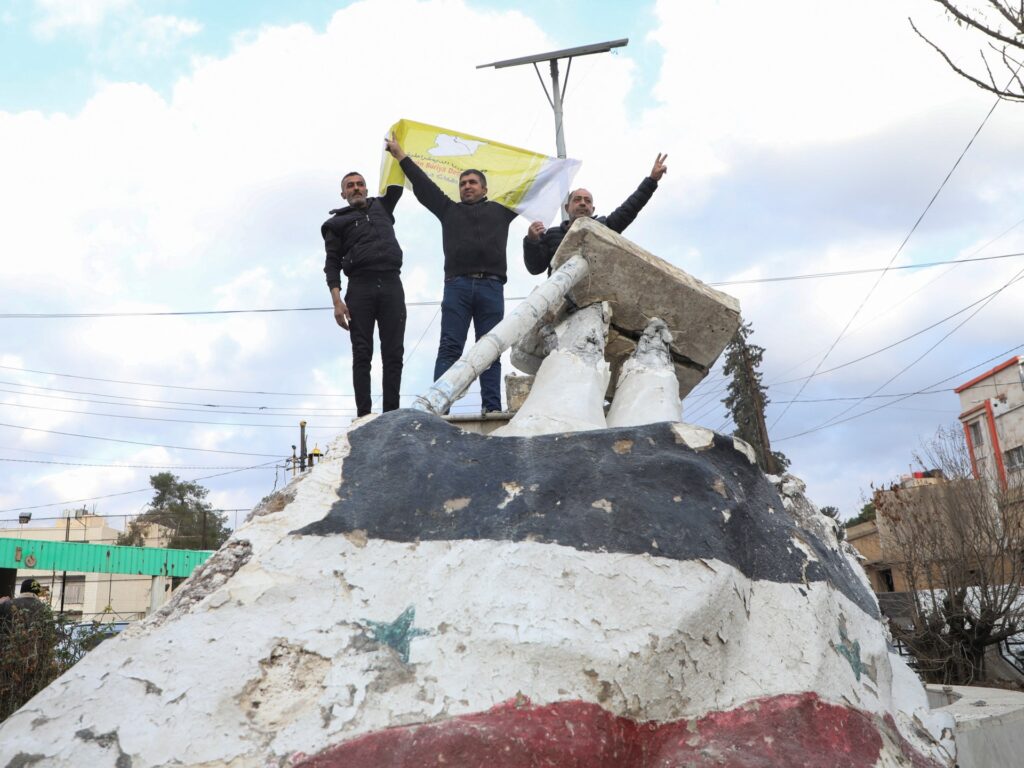
Bashar al-Assad-appointed Mohammed Ghazi al-Jalali says gov’t ready to ‘extend its hand’ to opposition, turn its functions over to a transitional government. The leader of the main armed opposition group in Syria says former Prime Minister Mohammed Ghazi al-Jalali will supervise state institutions until they are handed over, as fighters declared an end to Bashar al-Assad’s 24-year rule. Opposition forces on Sunday said they had “liberated” the capital, Damascus, in a lightning offensive. They said al-Assad had fled the city. His whereabouts are unknown. In a statement, Hayat Tahrir al-Sham (HTS) head Abu Mohammed al-Julani said al-Jalali, appointed prime minister by al-Assad in September, will remain at the helm until the transition. Signed in his real name, Ahmed al-Sharaa, al-Julani’s statement banned military forces in Damascus from approaching public bodies and prohibited the firing of guns in the air. For his part, al-Jalali said his government is ready to hand over power to any leadership chosen by the people. “I am not leaving and I don’t intend to leave. I expect in a peaceful manner to guarantee the continuity of the public authorities and the institutions and the state apparatus and to guarantee the safety and security for all citizens,” he said in a video statement. Advertisement “And we are extending our hands even to the opposition, who extended their hands and gave assurances they will not cause any harm to any citizens who belong to this Syria of ours.” In an interview with Al Arabiya, al-Jalali said he had been in contact with the HTS leader to discuss managing the current transitional period, and said Syria should hold free elections. He also said he did not know where al-Assad and his defence minister were, adding that he had lost communication with the president on Saturday night. Separately, Syrian Communications Minister Eyad al-Khatib, in an interview with Al Arabiya, said he had been contacted by an HTS representative responsible for telecoms services. They agreed that telecoms and the internet would continue to function, al-Khatib said. Adblock test (Why?)
Russia-Ukraine war: List of key events, day 1,018
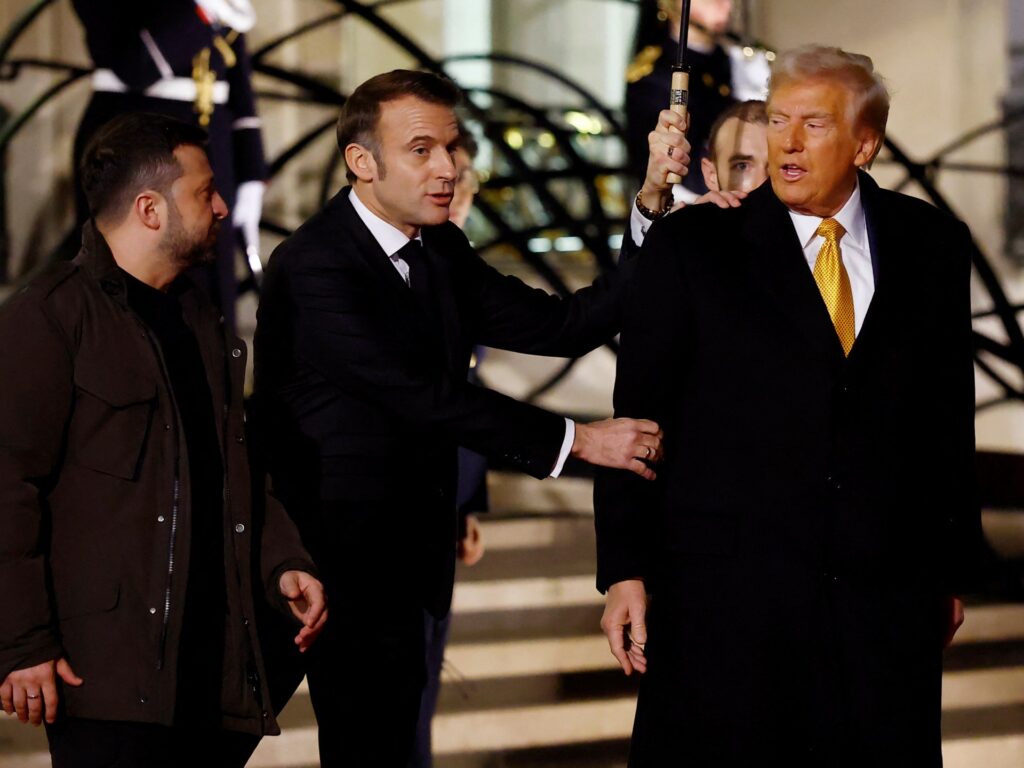
Here are the key developments on the 1,018th day of the Russia-Ukraine war. Here is the situation on Sunday, December 8: Fighting: Ukraine’s air force said its air defence units shot down 28 of 74 drones launched by Russia overnight targeting Ukraine. In a statement on Telegram, it also said 46 of the Russian drones were “lost”, likely neutralised by electronic warfare. Russia’s Ministry of Defence said on Telegram that its air defence destroyed 46 Ukrainian drones overnight over five Russian regions. The ministry also said its forces had taken Berestky, a small village close to the embattled town of Kurakhove in Ukraine’s eastern Donetsk region. Weapons: Politics and diplomacy: United States President-elect Donald Trump said Zelenskyy was keen for a deal to end the war with Russia after the pair met in Paris in a meeting hosted by French President Emmanuel Macron. Trump wrote on his Truth Social platform that there should be an immediate ceasefire to be followed by negotiations. Zelenskyy said he had “a good and productive” meeting with Trump and Macron in Paris, and added, “We all want this war to end as soon as possible and in a just way. We spoke about our people, the situation on the ground, and a just peace.” US Secretary of Defense Lloyd Austin announced that the Biden administration will provide $988m in additional military aid to Ukraine. The package is separate from the $725m in military assistance announced on December 2. German Chancellor Olaf Scholz told the Funke group of newspapers that he is confident he would be able to agree with Trump on a joint strategy for Ukraine after speaking to him on the phone. Advertisement Adblock test (Why?)
Opposition fighters seize al-Assad presidential palace in Syria’s Damascus
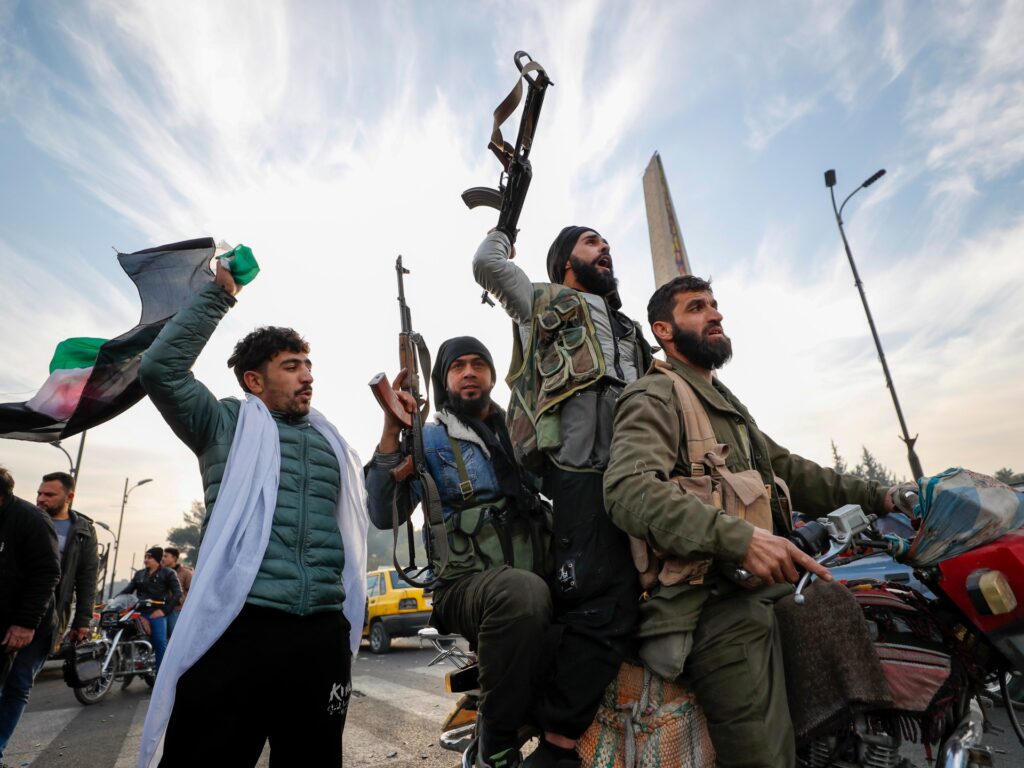
Syrian opposition fighters have taken over the presidential palace in Damascus after a rapid offensive that seized control of the capital and sent crowds into the streets to celebrate the end of the al-Assad family’s 53-year rule. State television on Sunday aired a video statement by a group of men saying President Bashar al-Assad had been overthrown and all prisoners had been set free. The man who read the statement said the opposition group, known as the Operations Room to Conquer Damascus, called on all opposition fighters and citizens to preserve the institutions of “the free Syrian state”. The opposition said al-Assad had left Damascus. His whereabouts remain unknown. Syria’s war erupted in 2011 as an uprising against al-Assad’s rule and quickly morphed into a full-blown conflict that dragged in foreign powers. Hundreds of thousands of people were killed while millions were forced from their homes in one of the world’s largest refugee crises. Adblock test (Why?)