

Kenya cancels more than $2.5bn in deals with Adani after US indictment
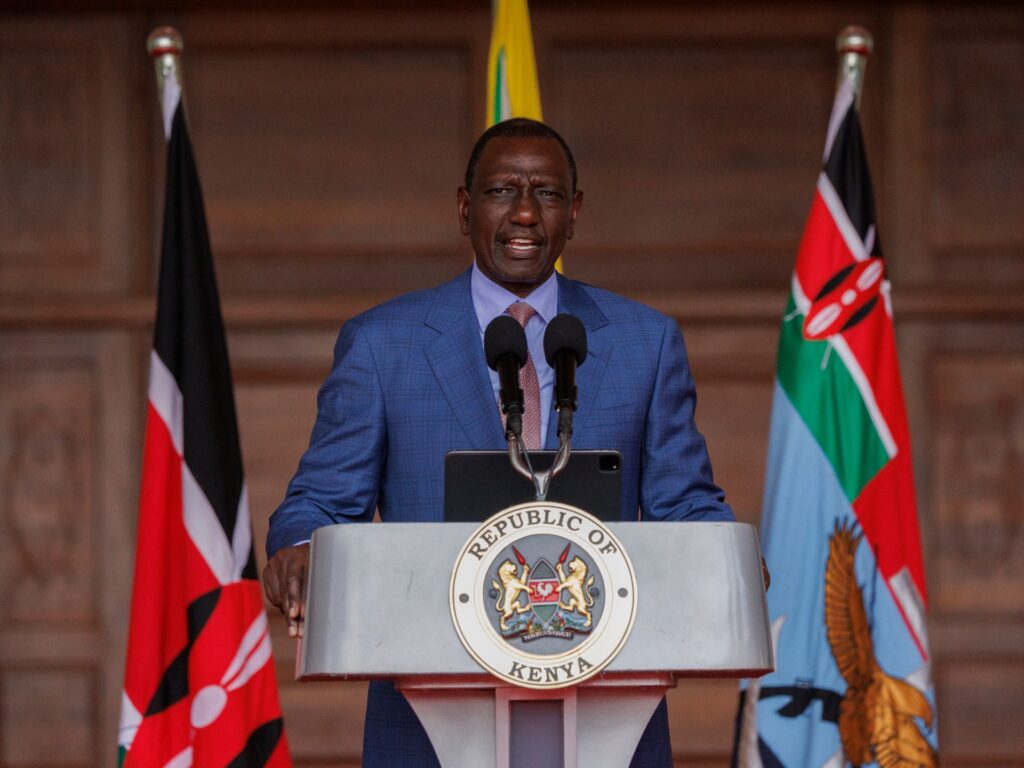
The deals had been sharply criticised over lack of transparency and value for money. Kenyan President William Ruto has ordered the cancellation of a procurement process that had been expected to award control of the country’s main airport to India’s Adani Group after its founder was indicted in the United States. Ruto made the announcement on Thursday in his state of the nation address. Under the proposed deal worth nearly $2bn, the Adani Group was to add a second runway at Jomo Kenyatta International Airport and upgrade the passenger terminal in exchange for a 30-year lease. Ruto also said he was cancelling a separate 30-year, $736m public-private partnership that an Adani Group firm signed with the Ministry of Energy and Petroleum last month to construct power transmission lines. “I have directed agencies within the Ministry of Transport and within the Ministry of Energy and Petroleum to immediately cancel the ongoing procurement,” Ruto said, attributing the decision to “new information provided by investigative agencies and partner nations”. Ruto’s announcement was met with thunderous applause and cheers from lawmakers in parliament, where he gave his address. The deals have drawn sharp criticism from many politicians and members of the public over concerns about a lack of transparency and value for money. Representatives from the Adani Group did not immediately respond to a request for comment. US authorities said in the indictment on Wednesday that group founder Gautam Adani, one of the world’s richest people, and seven other defendants agreed to pay about $265m in bribes to Indian government officials. The Adani Group denied the allegations and said in a statement that it would seek “all possible legal recourse”. Protests The Adani Group made the airport proposal in March under a procedure that circumvents competitive bidding, but it did not become public until July through a leak on social media. A Kenyan court temporarily blocked it in September in response to a lawsuit arguing it did not offer taxpayers value for money. Senior government officials, including Ruto, had repeatedly defended the deals despite allegations made in 2023 by US short-seller Hindenburg Research – denied by the Adani Group – of improper governance practices at the company. As late as Thursday morning, Energy Minister Opiyo Wandayi told senators he expected the transmission lines contract to go ahead because there was no bribery or corruption involved in its awarding. George Kamau, a Kenyan lawyer specialising in public procurement, said the Adani Group might go to arbitration to challenge the cancellations, especially of the transmission lines deal, which had already been signed. “That said, any dispute resolution framework … is likely to lean towards the state, considering the fact that the deal has been cancelled on the basis of integrity issues,” he said. Adblock test (Why?)
Ukraine accuses Russia of launching intercontinental ballistic missile
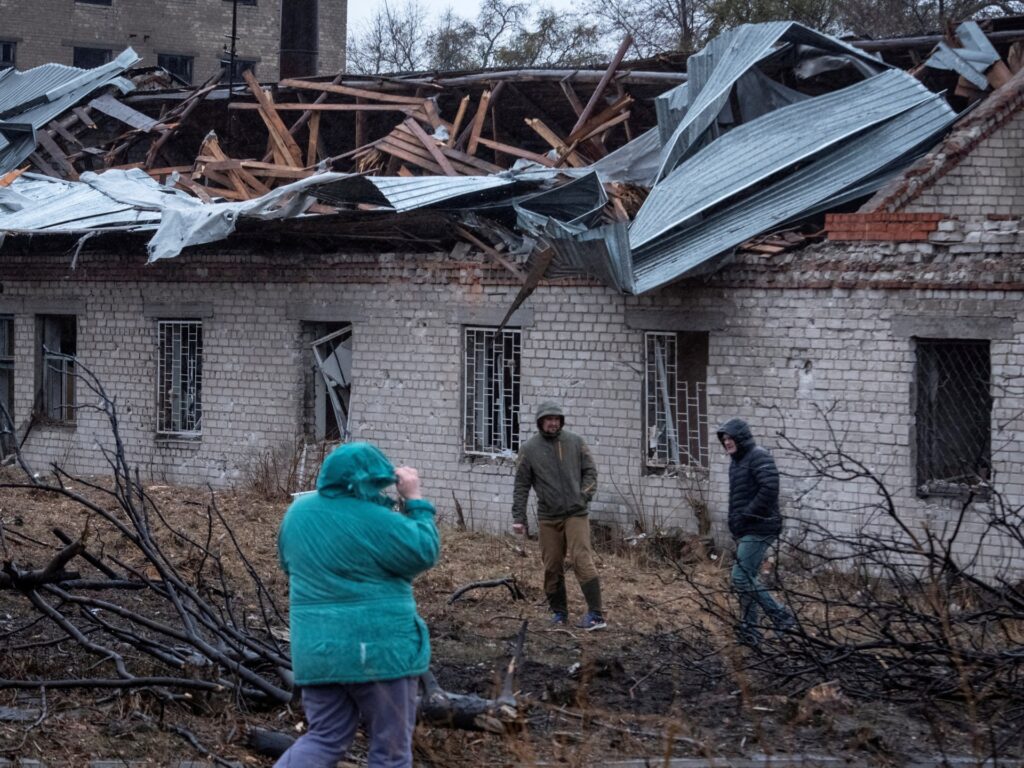
President Vladimir Putin says Russia tested a hypersonic intermediate-range missile in a strike on Ukraine. Ukraine has accused Russia of firing a new kind of missile at the city of Dnipro as Moscow said it tested an intermediate-range ballistic missile in a strike on Ukraine, amid soaring tensions in the more-than-two-year war. Kyiv said on Thursday that Russia had fired an intercontinental ballistic missile (ICBM) along with a barrage of rockets at the city in central Ukraine. Local authorities said the attack hit an infrastructure facility and injured two civilians. In a televised address, President Vladimir Putin said Russia had tested a hypersonic intermediate-range missile in a strike on Ukraine in response to the aggressive actions of NATO countries. A United States official was cited by the Reuters news agency as saying that Russia did not fire an ICBM, but instead launched an intermediate-range ballistic missile, according to an assessment based on its initial analysis. “Today there was a new Russian missile. All the characteristics – speed, altitude – are [of an] intercontinental ballistic [missile],” Ukrainian President Volodymyr Zelenskyy said in a video statement. He said experts were examining the evidence of the attack and accused Moscow of “using Ukraine as a testing ground”. Ukraine’s Foreign Ministry spokesperson Heorhii Tykhyi said that the strike “proves Russia does not seek peace”. “To the contrary, it makes every effort to expand the war,” he added. When asked about the attack, Kremlin spokesperson Dmitry Peskov said Russia was working to avoid a nuclear conflict. “We have stressed in the context of our doctrine that Russia is taking a responsible position to make maximum effort not to allow such a conflict,” Peskov said. Attacks in Russia The conflict between Russia and Ukraine has escalated in recent days after the US granted Ukraine permission to use long-range weapons to attack targets in Russia, a decision that Ukraine had sought for months. On Tuesday, Ukraine reportedly fired US-made Army Tactical Missile Systems (ATACMS) missiles at targets in Russia for the first time. Putin on Tuesday lowered the threshold for a nuclear strike in response to a broader range of conventional attacks. On Wednesday, British media reported that Ukraine launched long-range British Storm Shadow cruise missiles at targets in Russia. The Russian Defence Ministry confirmed the use of the missiles. Separately, Russian Foreign Ministry spokesperson Maria Zakharova described the opening of a new US missile defence base in Poland as a “provocative step in a series of deeply destabilising actions by the Americans and their allies”. “This leads to undermining strategic stability, increasing strategic risks and, as a result, to an increase in the overall level of nuclear danger,” she said. Poland dismissed the idea that the base would be used for attack purposes. The escalation comes as Moscow’s forces have advanced deeper into the Donetsk region in eastern Ukraine. Russia’s military announced on Thursday that its forces had captured a village close to Kurakhove, closing in on the town after months of steady advances. Ukraine’s defensive lines are also buckling under Russian pressure across the front line. Adblock test (Why?)
ICC issues arrest warrant for Israeli PM Netanyahu for ‘war crimes’ in Gaza
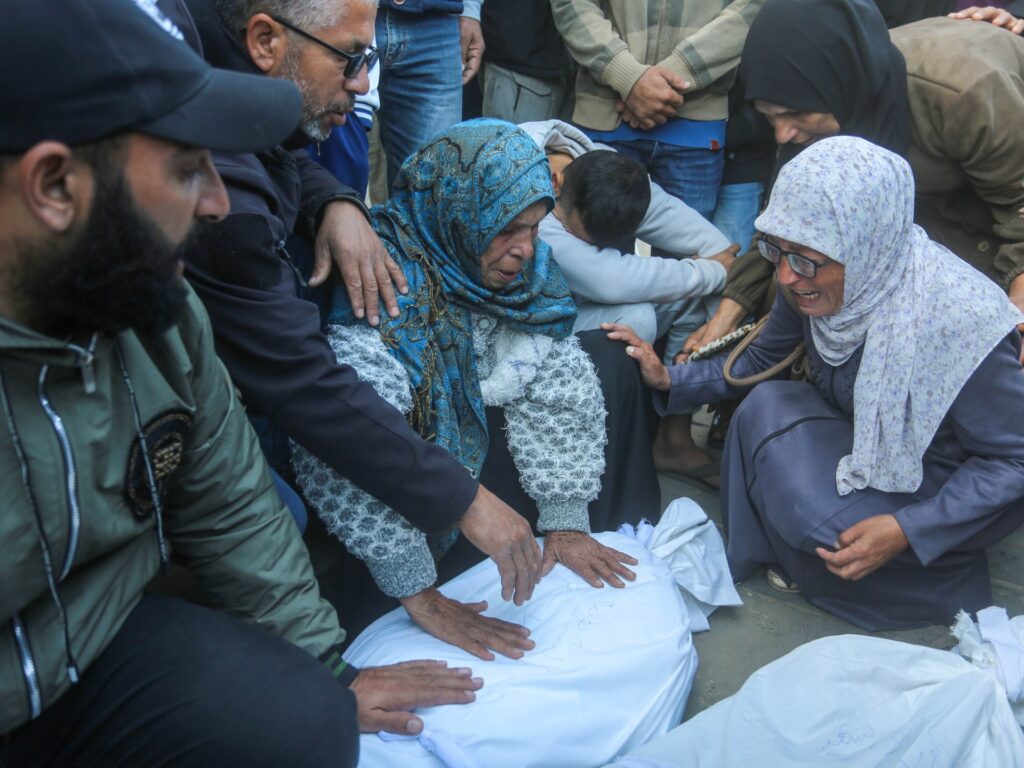
The International Criminal Court (ICC) has issued arrest warrants for Israeli Prime Minister Benjamin Netanyahu, his former defence minister and a Hamas military commander for alleged war crimes. Netanyahu and former Defence Minister Yoav Gallant were accused of “crimes against humanity and war crimes committed from at least 8 October 2023 until at least 20 May 2024”, a statement from the court said on Thursday. There are “reasonable grounds” to believe that Gallant and Netanyahu “intentionally and knowingly deprived the civilian population in Gaza of objects indispensable to their survival, including food, water, and medicine and medical supplies, as well as fuel and electricity”, it said. The court also decided “unanimously” to issue an arrest warrant for Hamas’s military commander Mohammed al-Masri, known as Mohammed Dief, “for alleged crimes against humanity and war crimes committed” in Israel and Palestine from October 7, 2023. It accused him of crimes including murder, torture, rape and other forms of sexual violence. Israel claims to have killed Deif in an air raid in southern Gaza in July. But the court decided to proceed with the warrant, saying it was “not in a position to determine whether [he] has been killed or remains alive”. Chief prosecutor Karim Khan had applied for arrest warrants against the Israeli officials and three Hamas leaders in May for alleged crimes committed during the Hamas-led October 7, 2023, attack on southern Israel and Israel’s subsequent war on Gaza. ICC prosecutors said there were reasonable grounds to believe Netanyahu and Gallant, as well as Hamas leader Yahya Sinwar, the group’s political chief Ismail Haniyeh and Deif, bear criminal responsibility for alleged war crimes and crimes against humanity. Haniyeh was assassinated in Iran in July. Sinwar was killed in combat with the Israeli military in October. Netanyahu fired Gallant earlier this month, saying he had lost confidence in him over the management of Israel’s wars in Gaza and Lebanon. Israel is not a member of the ICC and Netanyahu has previously called the prosecutor’s accusations against him a “disgrace”, an attack on the Israeli military and all of Israel. But the ICC said on Thursday that it had unanimously decided to reject Israel’s appeal over the the court’s jurisdiction. Reporting from Amman, Jordan, Al Jazeera’s Hamdah Salhut said, “Israel did its best to discredit the ICC. It tried to challenge its jurisdiction … and Israeli politicians internally were doing everything they could to fight [the potential ruling].” Israeli opposition leader Yair Lapid condemned the court’s decision, characterising Israel’s war on Gaza as a fight for its life “against terrorist oganisations”. Former Defence Minister Avigdor Lieberman posted on social media platform X that Israel “will not apologise for protecting its citizens and is committed to continuing to fight terrorism without compromise”. Al Jazeera’s senior political analyst Marwan Bishara praised the court’s decision to issue the long-awaited arrest warrants, saying “at last, the people of Gaza, after a year of unfolding genocide, might be able to see their perpetrators face justice”. Gaza’s Ministry of Health said on Thursday that Israel’s war in Gaza has killed at least 44,056 Palestinians and wounded 104,286 since October 7, 2023. An estimated 1,139 people were killed in Israel during the Hamas-led attacks that day, and more than 200 were taken captive. Adblock test (Why?)
Who is Indian billionaire Gautam Adani, charged with fraud by the US?
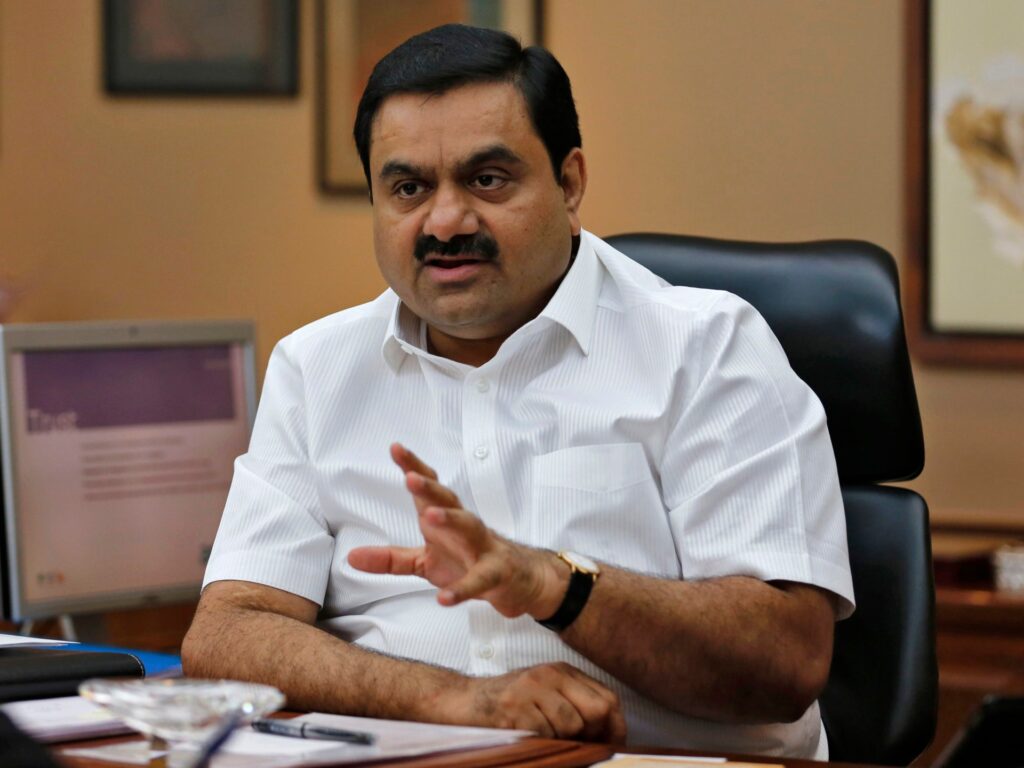
NewsFeed The US has charged one of India’s richest men, Gautam Adani, with fraud alleging a multibillion-dollar bribery scheme. So, who is Gautam Adani? Published On 21 Nov 202421 Nov 2024 Adblock test (Why?)
An A to Z of the children killed by Israel in Gaza
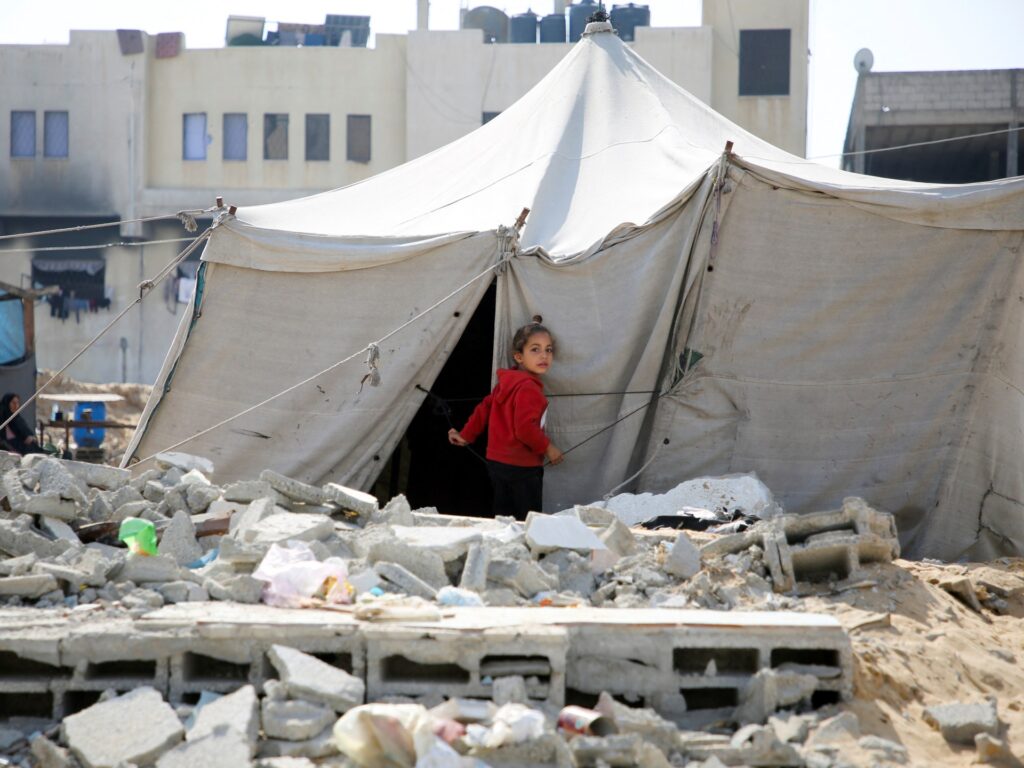
NewsFeed Israel has killed at least 17,400 children in its war on Gaza. These are the most common names of Gaza’s lost children, listed alphabetically from A to Z. Published On 21 Nov 202421 Nov 2024 Adblock test (Why?)
Indian conglomerate chair Gautam Adani indicted in the US
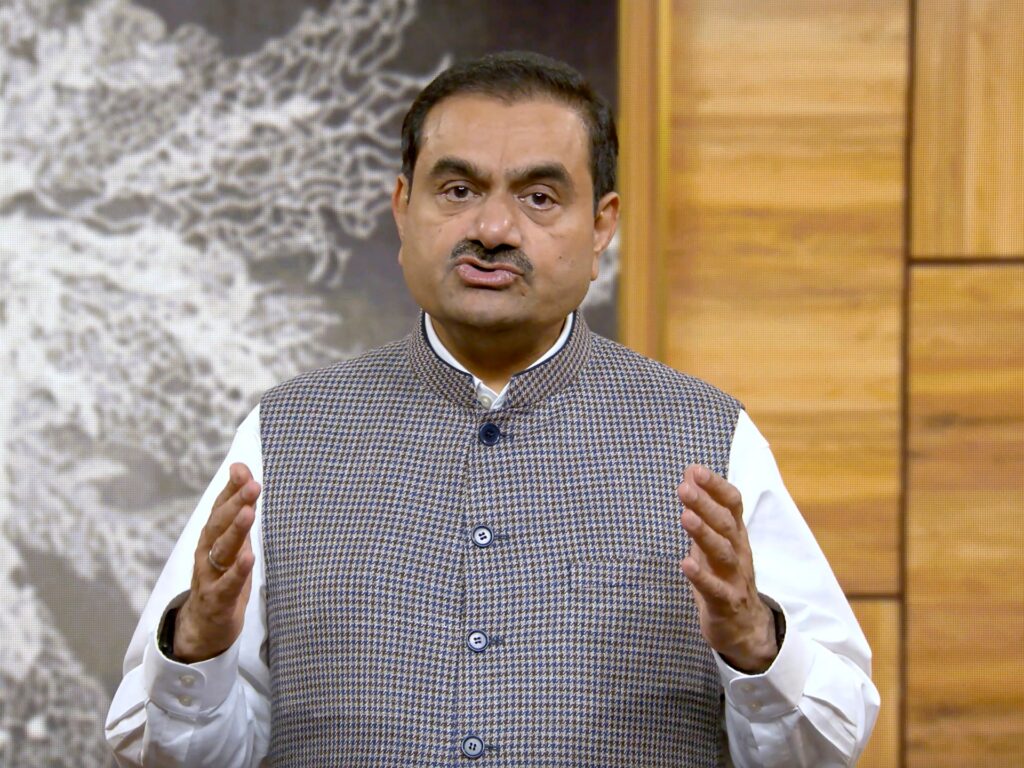
Gautam Adani, the chair of Indian conglomerate Adani Group and one of the world’s richest people, has been indicted in New York over an alleged multibillion-dollar fraud scheme, United States prosecutors have said. On Wednesday authorities charged Adani and two other executives at Adani Green Energy, his nephew Sagar Adani and Vneet Jaain, with agreeing between 2020 and 2024 to pay more than $250m in bribes to Indian government officials to obtain solar energy supply contracts expected to yield $2bn in profits. Prosecutors said the renewable energy company also raised more than $3bn in loans and bonds during this period based on false and misleading statements. Five other people were hit with related criminal conspiracy charges, including two executives of another renewable energy company, and three employees of a Canadian institutional investor. Adani Group did not immediately respond to requests for comment outside business hours in India, where the charges were announced early Thursday morning. India’s embassy in Washington did not immediately respond to a request for comment. According to court records, a judge has issued arrest warrants for Gautam Adani and Sagar Adani, and prosecutors plan to hand those warrants to foreign law enforcement. The case involves alleged violations of the Foreign Corrupt Practices Act, a US anti-bribery law. Seven of the eight defendants are Indian citizens and lived in India, while the eighth, Cyril Cabanes, is a dual French-Australian citizen who lived in Singapore, prosecutors said. The US Securities and Exchange Commission filed related civil charges against Gautam Adani, Sagar Adani and Cabanes, 50, an executive at Azure Power Global. Prosecutors identified Cabanes as one of the Canadian investor’s employees. Gautam Adani is worth $69.8bn, according to Forbes magazine, making him the world’s 22nd richest and India’s second-richest person. ‘Elaborate scheme’ “The defendants orchestrated an elaborate scheme to bribe Indian government officials to secure contracts worth billions of dollars and Gautam S Adani, Sagar R Adani and Vneet S Jaain lied about the bribery scheme as they sought to raise capital from US and international investors,” US Attorney Breon Peace said in a statement. “These offenses were allegedly committed by senior executives and directors to obtain and finance massive state energy supply contracts through corruption and fraud at the expense of US investors,” added Deputy Assistant Attorney General Lisa H Miller. On several occasions, Gautam Adani personally met with an Indian government official to advance the bribery scheme, and the defendants held in-person meetings with each other to discuss aspects of its execution, the prosecutors alleged. According to the indictment, some conspirators referred privately to Gautam Adami with the code names “Numero Uno” and “The Big Man”, while Sagar Adani allegedly used his cellphone to track specifics about the bribes. The charges were announced hours after Adani on Wednesday raised $600m from a sale of 20-year “green” bonds. Last week, Gautam Adani said in a post on social media platform X that his conglomerate planned to invest $10bn in US energy security and infrastructure projects, creating a potential 15,000 jobs, without providing a timetable. Adani announced the investment while also congratulating US President-elect Donald Trump on his election win. Trump has pledged to make it easier for energy companies to drill on federal land and build new pipelines. The $32bn (revenues) Adani Group has interests in ports, airports, power generation and transmission, and green energy, among other businesses. Last year in January, US-based short-seller Hindenburg Research accused Adani and his companies of stock market manipulation and fraud, allegations denied by the group. India’s top court ruled in favour of the group a year later. Adblock test (Why?)
Archegos’s Bill Hwang sentenced to 18 years in prison for massive US fraud
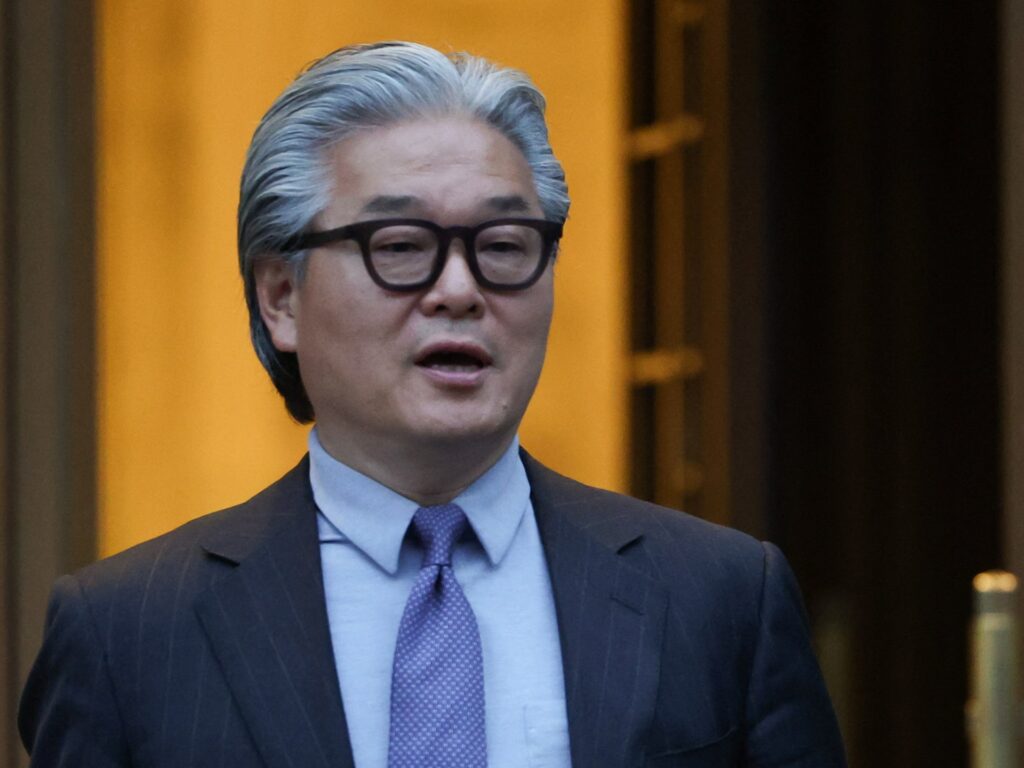
Hwang had been convicted in July on 10 criminal charges including wire and securities fraud, market manipulation. Former billionaire investor Sung Kook “Bill” Hwang has been sentenced to 18 years in prison over the collapse of Archegos Capital Management, which cost Wall Street banks more than $10bn. Hwang was sentenced on Wednesday by United States District Judge Alvin Hellerstein in Manhattan, where a jury convicted Hwang in July on 10 criminal charges including wire fraud, securities fraud and market manipulation. “The amount of losses that were caused by your conduct are larger than any other losses I have dealt with,” Hellerstein said before announcing the sentence. Archegos’s March 2021 implosion took less than a week, stunning Wall Street and Hwang’s lenders. The US Attorney’s office in Manhattan sought a 21-year prison term for Hwang – unusually long for a white-collar case – and for him to forfeit $12.35bn and make restitution to victims. “It stands among a rare class of cases that truly could be described as a national calamity,” prosecutor Andrew Thomas said at the sentencing hearing before Hellerstein. Hellerstein did not reach a decision on Wednesday on whether Hwang must forfeit money or pay restitution. The sentencing hearing is expected to resume on Thursday. Before sentencing Hwang, Hellerstein asked the defendant’s lawyer, Dani James, how she thought Hwang compared to Sam Bankman-Fried, who was sentenced in March to 25 years in prison for stealing $8bn from users of the now-bankrupt FTX exchange. “Mr Bankman-Fried was literally stealing from his customers,” James said. “I don’t think that’s what’s happened here.” Hwang had asked for no prison, forfeiture or restitution, and to remain free on bail while he appealed his conviction. James said his low risk of committing more crimes meant a lengthy prison term served no purpose. “The notion that he would commit a crime in the future, it’s just not so,” James said. Bankman-Fried denies wrongdoing and is appealing his conviction. Aggressive borrowing Hwang, 60, was a protege of late hedge-fund billionaire Julian Robertson. He set up Archegos in New York as a family office in 2013, the year after his former hedge fund Tiger Asia Management pleaded guilty to wire fraud in an insider trading case. Prosecutors accused Hwang of lying to banks about Archegos’s portfolio so he could borrow money aggressively and make concentrated bets on media and technology stocks such as ViacomCBS, now called Paramount Global. While Archegos eventually managed $36bn, Hwang’s borrowing helped him amass $160bn of exposure to stocks. His downfall occurred when Hwang was unable to meet margin calls, as the prices of some of his favourite stocks began falling and various banks unloaded stocks that had backed his so-called total return swaps. More than $100bn of market value in Hwang’s stocks was wiped out. Several banks suffered losses, including Credit Suisse, which lost $5.5bn, and Nomura Holdings. Credit Suisse is now part of UBS. Hwang’s lawyers’ request for no punishment also cited Hwang’s Christian faith and his nonprofit Grace and Mercy Foundation, which has, since 2006, donated at least $600m to combat homelessness, poverty and human trafficking, among other causes. In a statement to the court before Hellerstein announced the sentence, Hwang said he hoped the punishment would “allow me to serve as much as I can given the circumstances”. Hwang’s lawyers have said his net worth has fallen to “at most” $55.3m. Hwang’s co-defendant, former Archegos Chief Financial Officer Patrick Halligan, was convicted at the same trial on three criminal charges. His sentencing is scheduled for January 27. Both chose not to testify at their two-month trial. Adblock test (Why?)
At least 150 people killed over past week in Haiti’s Port-au-Prince: UN
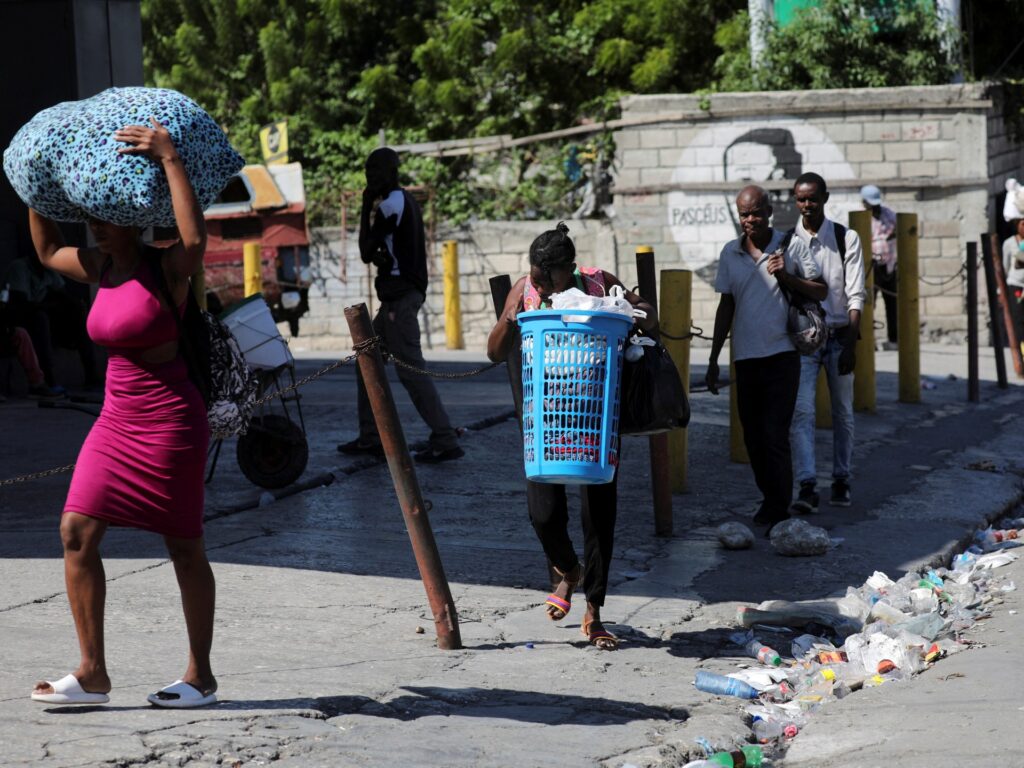
At least 150 people have been killed in Port-au-Prince over the past week, the United Nations says, as the Haitian capital reels from a surge in gang violence. In a statement on Wednesday, the UN Office of the High Commissioner for Human Rights said more than half of the deaths – at least 55 percent – came “from exchanges of fire between gang members and police”. Another 92 people were injured in the violence, and about 20,000 others have been forcibly displaced from their homes. “Port-au-Prince’s estimated four million people are practically being held hostage as gangs now control all the main roads in and out of the capital,” Volker Turk, the high commissioner, said in the statement. “The latest upsurge in violence in Haiti’s capital is a harbinger of worse to come. The gang violence must be promptly halted. Haiti must not be allowed to descend further into chaos.” Haiti has reeled from years of violence as powerful armed groups – often with ties to the country’s political and business leaders – have vied for influence and control of territory. But the situation worsened dramatically after the July 2021 assassination of Haitian President Jovenel Moise, which created a power vacuum. Earlier this year, the gangs launched attacks on prisons and other state institutions across Port-au-Prince, fuelling a renewed political crisis. The campaign of violence led to the resignation of Haiti’s unelected prime minister, the creation of a transitional presidential council, and the deployment of a UN-backed, multinational police mission. That Kenya-led police force – formally known as the Multinational Security Support Mission (MSS) – has failed to take control back from the gangs, however. Only a fraction of the planned contingent has arrived in Haiti so far, while the United States, the MSS’s key backer, has been pushing to get more funding and personnel to bolster the force. The US also has been pushing to transform the mission into a UN peacekeeping force, a proposal that has the backing of Haitian leaders but is opposed by veto-holding UN Security Council members China and Russia. Monica Juma, a national security adviser to the Kenyan presidency, said during a special UNSC session on Haiti on Wednesday afternoon that Nairobi “strongly supports” that push. Juma said the MSS currently counts 416 “boots on the ground” from Belize, Bahamas, Jamaica and Kenya, but that is “too few for the task ahead”. “The urgency for a surge in the MSS personnel deployment is evident,” she told the council in New York. Many Haitians remain wary of UN interventions, however, saying past deployments have brought more harm than good. A deadly 2010 cholera outbreak was linked to a UN peacekeeping base, for example, and UN forces in Haiti were also accused of rape and sexual abuse. Still, civil society leaders in Haiti have cautiously welcomed the Kenya-led multinational mission as a needed boost in the fight against the gangs while also stressing that the problems facing the Caribbean country will not be solved by force alone. They have called for more support and training for Haiti’s national police force, as well as an end to corruption and a Haitian-led political process. In the meantime, Haitian armed groups are now believed to control at least 80 percent of Port-au-Prince. Planes were hit by gunfire earlier this month at the airport in the capital, prompting international airlines to suspend flights into the city and isolating the country further. The incidents came amid an internal power struggle that saw the transitional presidential council tasked with rebuilding Haitian state institutions vote to dismiss another interim prime minister, Gary Conille, and appoint his replacement, Alix Didier Fils-Aime. Speaking at the UNSC session on Wednesday, Miroslav Jenca, the UN’s assistant secretary-general for Europe, Central Asia and the Americas, said Haiti is facing more than “just another wave of insecurity”. “It is a dramatic escalation that shows no signs of abating,” Jenca told the council. “The human consequences are severe. We are deeply concerned about the safety, basic needs and human rights of people residing in gang-controlled areas, in particular, those of women and children.” Adblock test (Why?)
Israeli “rampage” one year ago “smashed” al-Shifa Hospital
[unable to retrieve full-text content] Mads Gilbert marks the 1 year anniversary of Israel’s attack on Al-Shifa hospital, and Palestinian spirit of resistance.
Argentina close on World Cup as Messi helps Martinez level up with Maradona
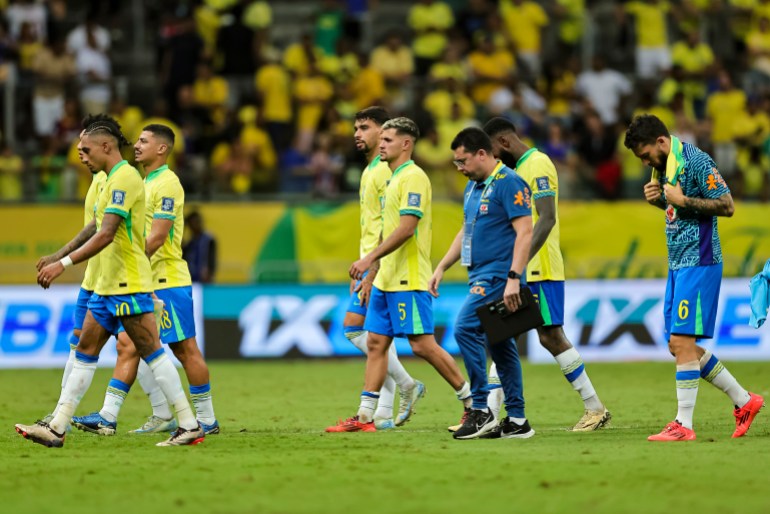
Holders Argentina close on World Cup place as Lautaro Martinez joins Diego Maradona as country’s fifth leading scorer. A second-half strike from Lautaro Martinez gave Argentina a 1-0 home win over Peru in South American qualifiers for the 2026 World Cup on Tuesday night, with the striker’s goal moving him level with Diego Maradona as the country’s fifth all-time scorer. The 27-year-old Inter Milan forward notched his 32nd international goal 10 minutes after the break, capitalising on a fine cross from Lionel Messi to fire home a half-volley into the top-right corner. “I’m happy because my whole family came and I always want to give my best. This year was very positive and luckily we closed it with a victory,” Martinez told local TV. “It was a spectacular year in terms of performance, goals, games played. We have to keep playing and improving day by day. Everyone wants to beat us. Argentina’s national team are always the main characters. There are things to improve but we have to continue on this path.” Until Martínez scored, Argentina’s best chance was in the 21st minute, when striker Julian Alvarez hit the Peruvian goalkeeper’s right post. Messi once again had a modest performance, as he did in his team’s 2-1 defeat in Paraguay on Thursday. The World Cup holders lead the CONMEBOL standings with 25 points, five clear of Uruguay. Peru are bottom of the 10-team table with seven points after 12 games. The top six qualify automatically for the World Cup in the United States, Mexico and Canada. “We are Copa America champions, we are first in the qualifiers. We have to be proud,” Argentina goalkeeper Emiliano Martinez added. Inter Miami forward, Messi, remains the country’s record goal scorer netting 112 times. Former striker Gabriel Batistuta, who enjoyed a long career with Fiorentina in Italy, is second on the list with 55 goals. Brazil’s players were given a frosty reception as they left the field following the home draw with Uruguay [Heuler Andrey/Eurasia Sport Images/Getty Images] Argentina’s rivals Brazil face fan backlash as stutter continues Brazil fans at home in Salvador jeered their team after the final whistle following their 1-1 draw against Uruguay. In a match with few opportunities for either side, Uruguay seemed closer to winning for most of the second half with Federico Valverde opening the scoring in the 55th minute after Brazilian defenders failed three times to clear the ball from their penalty area. The Real Madrid midfielder hit the ball to the left corner to score. Gerson equalized in the 61st minute in similar fashion at the Arena Fonte Nova. Brazil, who remain without the services of their injured forward Neymar, lag in fifth position with 18 points after several uninspiring performances. Striker Raphinha said he understood the frustration of his team’s fans but disagreed with their reaction at the end. “We played great. We did everything we could to leave here with a victory. We must have our heads high up, it will be very tough to beat us,” he said. Also on Tuesday, Ecuador won 1-0 at Colombia with a goal by Enner Valencia in the seventh minute, in which he dribbled through three players before scoring. Ecuador lost defender Piero Hincapie to a red card in the 34th minute but held on for the win. Bolivia and Paraguay drew 2-2 in a match between teams that could end up fighting for the seventh position in the region’s qualifying. Chile, one of the worst-performing teams in the region this year, showed some fighting spirit and beat Venezuela 4-2. Adblock test (Why?)