

Russia-Ukraine war: List of key events, day 975
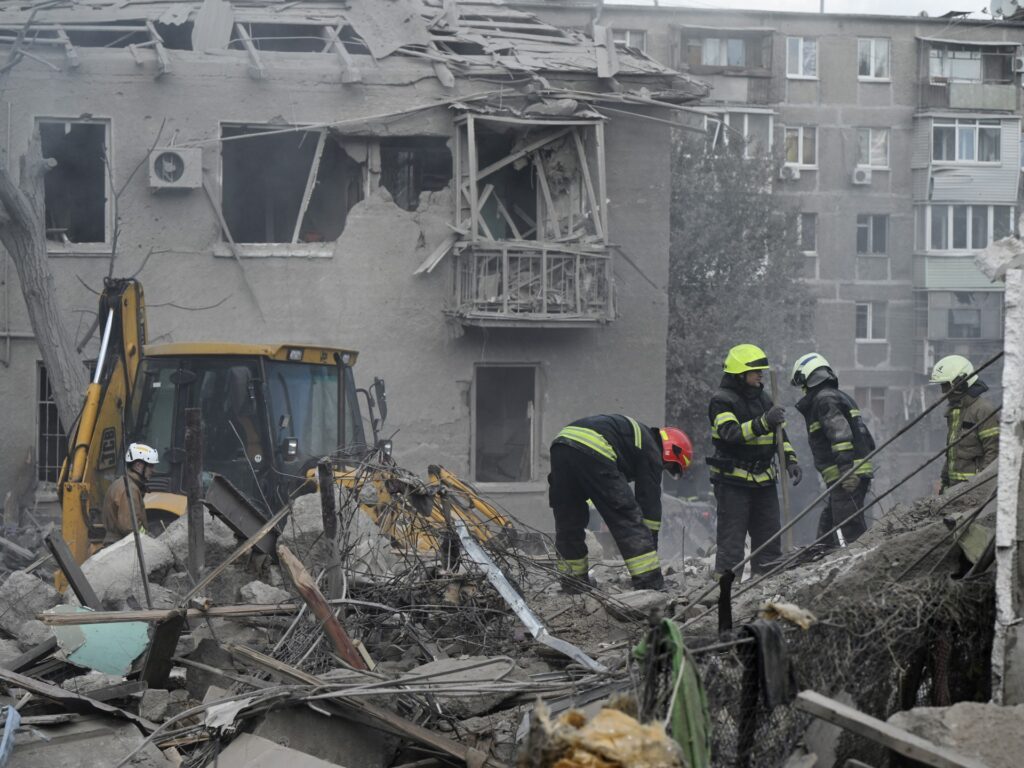
As the war enters its 975th day, these are the main developments. Here is the situation on Sunday, October 27, 2024: Fighting Ukraine’s air defence units were deployed early on Sunday to repel a wave of Russian drones heading towards Kyiv, Vitali Klitschko, the mayor of the Ukrainian capital, said, telling residents to stay in shelters. Russia’s Ministry of Defence said its air defence units also destroyed overnight at least 30 Ukrainian drones over the southern regions of Voronezh, Bryansk, Oryol, Lipetsk and Belgorod. One woman was injured as a result of the drone attack on the border region of Belgorod, the region’s governor, Vyacheslav Gladkov, said on the Telegram messaging app. He added that a few cars were also damaged. Maxim Yegorov, governor of the Tambov region, some 450km (280 miles) southeast of Moscow, said a Ukrainian drone fell in the Michurinsky district of the region, sparking a short-lived fire but causing no injuries or material damage. Russian forces advanced further into several eastern Ukrainian towns, including in Selydove, getting closer to capturing the strategic city of Pokrovsk, Russian and Ukrainian bloggers said. The Russian news outlet SHOT said on Telegram that Russian troops control 80 percent of Selydove. Russian military bloggers also reported that Russian forces were close to taking over the town of Kurakhove southwest of Hirnyk. Russia’s Defence Ministry said its forces had taken control of the Oleksandropil settlement in eastern Ukraine, according to the state-run news agency RIA Novosti. Ukraine said in its Saturday evening report that its forces had repelled 36 Russian attacks along the Pokrovsk front line the previous day, including in the area of Selydove, while several battles were still ongoing. A Russian glide bomb killed one person and injured three in Kostiantynivka near the front line in Donetsk region, the regional governor said. Russian shelling killed two people in a small town west of the Ukrainian-held southern city of Kherson. Politics and diplomacy A string of Russian attacks that killed and injured civilians in Ukraine in recent days has prompted President Volodymyr Zelenskyy to issue a new call to Kyiv’s allies to intensify political pressure on Moscow. Finance ministers of the Group of Seven nations have decided to step up efforts to prevent Russia from evading sanctions imposed after its invasion of Ukraine amid reports that Russian financial institutions have developed a network of foreign subsidiaries to facilitate the trade of sanctioned goods. The deployment of North Korean troops to help Russia in its war against Ukraine is unlikely to have a significant effect on the fighting on the ground but could affect security interests in Asia, Europe and elsewhere, said Pascal Dayez-Burgeon, a North Korea expert and former French diplomat in Seoul. Adblock test (Why?)
US election: 9 days left – What polls say, what Harris and Trump are up to
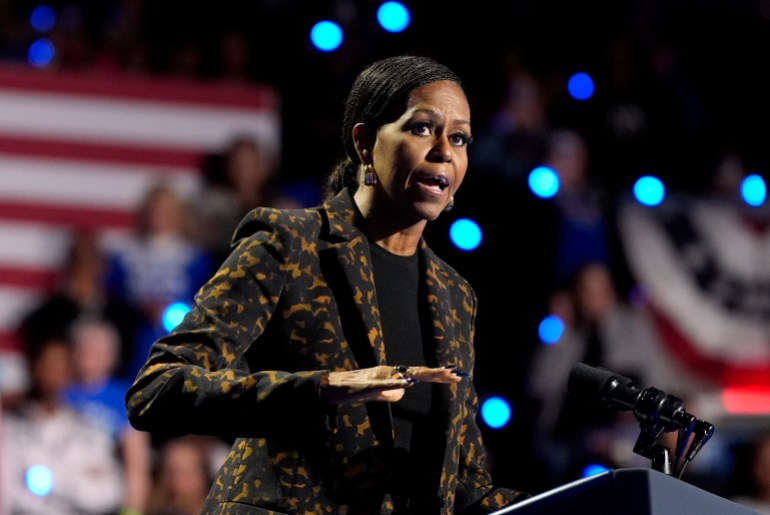
With nine days left to go until Election Day in the United States, the two top contenders for the White House – Vice President Kamala Harris and former President Donald Trump – continue to scramble for votes in battleground states as polls suggest a tight race. On Saturday, Trump made a bold play for Arab-American and Muslim voters in Michigan, a swing state with nearly 400,000 voters of Arab background. Michigan voted for Biden in 2020, but anger over Israel’s genocide in Gaza and the war on Lebanon could affect the Democratic turnout for Harris. Michigan is one of the seven competitive US states likely to decide the winner. It is part of the “Blue Wall” that is considered Democrats’ best chance of electing Harris, along with Pennsylvania and Wisconsin. Harris also campaigned in Michigan on Saturday, warning that Trump would exercise “unchecked and extreme power” if he returns to the White House. What are the latest updates from the polls? A poll released by the Emerson College Polling on Saturday has Harris and Trump tied at 49 percent each. The survey, conducted on October 23-24, suggested a tighter race than a week earlier, which showed Harris leading Trump 49 percent to 48 percent. It is also the first time since August in Emerson’s weekly polling that Harris is not in the lead. “Male voters are breaking for Trump by 13 points, 55 percent to 42 percent, a larger margin than in 2020, while women break for Harris by 10 points, 54 percent to 44 percent, underperforming Biden’s support in 2020,” said Spencer Kimball, executive director of Emerson College Polling. The latest survey also found that regardless of who they will vote for, 50 percent of American voters think Trump will win the election while 49 percent think so for Harris. The polling also listed the top issues for voters are the economy at 45 percent, followed by immigration (14 percent), threats to democracy (14 percent), abortion access (7 percent), healthcare (6 percent), and crime (4 percent). Meanwhile, the latest FiveThirtyEight’s daily average showed Harris leading in the national polls, 47.9 to Trump’s 46.6. According to the same polling, Harris’s unfavourable rating edged up to 47.8 percent, while her favourable rating was at 46.4 percent. Trump’s unfavourable rating was at 52.1 percent while his favourable rating was at 43.4 percent. What was Kamala Harris up to on Saturday? Harris was in Michigan, where former First Lady Michelle Obama fired up the crowd of Democratic supporters by drawing distinctions between Harris and Trump on personal character and qualifications, saying there was a double standard in how the two were being treated. Obama warned that another term under Trump would result in further rollbacks to abortion rights. She said Trump’s promise to rescind the Affordable Care Act passed during her husband’s presidency would affect the “entirety of women’s health, all of it”. Michelle Obama speaks at a campaign rally for Harris in Kalamazoo, Michigan, October 26, 2024 [Jacquelyn Martin/AP] Harris was several minutes into an upbeat address when she was interrupted by a demonstrator who repeatedly yelled, “No more Gaza war.” After Harris’s supporters shouted down the interruption, she responded, “On the topic of Gaza, we must end that war”, then picked up where she left off, asking voters to “turn the page on the fear and the divisiveness”. What was Donald Trump up to on Saturday? Also campaigning in Michigan, Trump met a group of Muslim preachers, arguing that he deserved the support of Muslim voters because he would end conflicts and bring peace to the Middle East. Trump fully backs Israel and has told Israeli Prime Minister Benjamin Netanyahu to “do what you have to do” in dealing with Hamas in Gaza and Hezbollah in Lebanon. Even so, Trump appears to be gaining support from some Muslim Americans upset with President Joe Biden’s and Harris’s policy in Gaza, and despite Trump banning immigration from some Muslim-majority countries as president. Imam Belal Alzuhairi of the Islamic Center of Detroit joined Trump on stage in Novi, saying, “We ask Muslims to stand with President Trump because he promises peace.” During the same appearance, however, Trump also denigrated Detroit while trying to appeal to the suburban votes. “I think Detroit and some of our areas make us a developing nation,” he said, adding that people want him to say Detroit is “great”, but he thinks it “needs help”. What’s next for the Harris and Trump campaigns? According to her campaign, Harris is spending all of Sunday in Philadelphia, crisscrossing the city in a series of neighbourhood events to turn out voters. Turnout in Philadelphia could be the determining factor in whether Harris can carry the critical state of Pennsylvania, which carries 19 electoral votes. According to the Philadelphia Inquirer newspaper, Harris’s full-day tour will focus on predominantly Black and Latino neighbourhoods of the Democrat-leaning city. Harris is scheduled to attend services on Sunday morning and deliver remarks at a Black church in West Philadelphia. She will also visit a barbershop in West Philadelphia for a conversation with young Black men and community leaders. Meanwhile, Trump will take the stage at one of the country’s most iconic venues, hosting a hometown rally at New York City’s Madison Square Garden to deliver his campaign’s closing message against Harris. Trump was born and raised in Queens in New York City. He also built his real estate career in the city. While some Democrats and TV pundits have questioned Trump’s decision to hold what they dismiss as vanity events, the rally in the Democrat-leaning New York guarantees Trump what he most craves: the spotlight, wall-to-wall coverage and a national audience. “It’s the New York, but it’s also, you know, it’s MSG, it’s Madison Square Garden,” Trump said during a recent radio interview. “Guys like you and I, that means a lot, those words. Madison Square Garden, right? Don’t you think so? … It’s a very big stop.” Trump will be joined at the rally by supporters including
Could the Republicans lose the House? Five US congressional races to watch
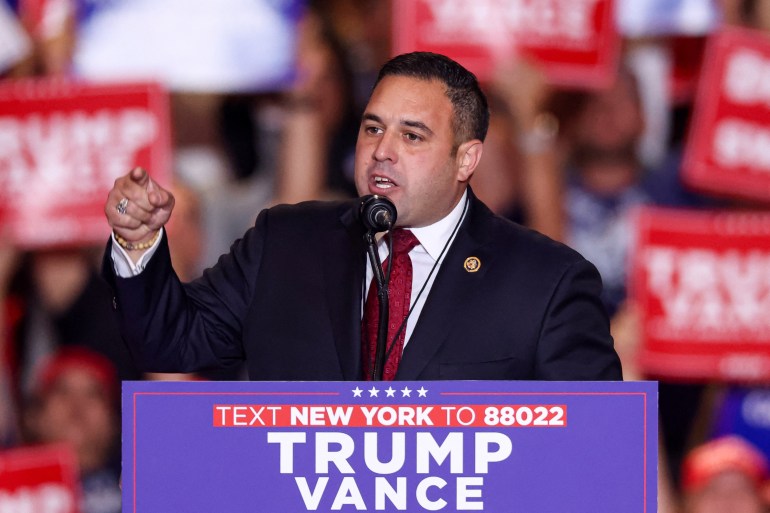
With only days to go before the general elections in the United States, it can seem like the tight presidential race between Kamala Harris and Donald Trump is sucking up all the attention. But on the November 5 election day, crucial battles will also unfold for both chambers of Congress: the Senate and the House of Representatives. However, unlike in the Senate, where only a third of the seats are up for grabs, all 435 seats in the House of Representatives will be on the ballot this election cycle. The races will be scattered across every corner of the US. After all, the House assigns a certain number of seats to each state based on population size, and each seat has a specific district within the state to represent. Every two years, the House faces the prospect of a shake-up, with re-elections for all its members. And this year, the Republican Party is playing defence, hoping to protect its majority in the chamber. Currently, Republicans control 220 seats, compared with 212 for the Democrats. At stake is the power to pass — or block — new legislation. But the House is also endowed with special abilities: Only the lower chamber of Congress can launch revenue bills and impeach federal officials. Experts have identified 34 House seats as vulnerable to flipping parties this November. What are some of the narrowest races to watch? Explore five of the nail-biters below. Representative Anthony D’Esposito is attempting to fend off a second attempt by Laura Gillen to unseat him [Brendan McDermid/Reuters] New York’s 4th district The state of New York has long been a Democratic stronghold. But zoom into the state, and the electoral map becomes a patchwork of red and blue districts. Nowhere is this more apparent than on Long Island, a political battleground jutting into the Atlantic Ocean. Long Island is home to some of New York’s most competitive House races, including the battle for the 4th congressional district. The district is minutes away from the urban bustle of Manhattan, but it has a suburban, laid-back vibe. It is also notable as one of the wealthiest enclaves in New York. Both Democrats and Republicans have won the area in recent years. For instance, in the 2020 presidential race, Joe Biden won the 4th district by 15 percentage points, and his fellow Democrat, Kathleen Rice, handily defended her seat for a final term in the House. But two years later, a new House election was held — and the seat fell to Republican hands. Now, incumbent Republican Anthony D’Esposito is facing a rematch from his rival from that race, Democrat Laura Gillen. D’Esposito is a former New York Police detective running on what he calls his record of common sense. He has hammered Gillen as lax on crime and immigration, but he has also faced criticism for allegedly giving a lover a part-time job on the government payroll. Gillen, meanwhile, has said she would push for more law enforcement and border security. “I will work with anyone, from any party, to secure our southern border,” she says in a campaign advertisement. The rivalry between Gillen and D’Esposito goes back years: During her time as supervisor for the town of Hempstead, Gillen clashed with the town board, of which D’Esposito was a member. Democratic presidential candidate Kamala Harris greets incumbent Representative Don Davis in Greenville, North Carolina, on October 13 [Jonathan Drake/Reuters] North Carolina’s 1st district: North Carolina is the newest swing state this election cycle, with Democrats and Republicans almost evenly matched in statewide polls. Experts speculate Harris could be the first Democratic presidential candidate to claim the state since 2008, if the vote goes in her favour. But one prominent corner of North Carolina is also primed for a flip. That would be the 1st congressional district, located in northeast North Carolina, on the border with Virginia. There, incumbent Democrat Don Davis is facing a stiff challenge in a contest that raises questions about race and redistricting. The 1st congressional district has long been considered part of the US South’s “Black Belt”, a series of districts where the number of Black residents either surpasses or equals the number of white ones. About 40 percent of the district’s residents are Black. The last time the district elected a Republican was in 1883. Since the 1990s, its representatives have all been Black, too. But both of those streaks could end on November 5. The district was one of four areas subject to a lawsuit in December 2023, when voting rights activists argued that district boundaries had been redrawn to lessen the power of Black voters. The new borders of District 1 carved out some Black neighbourhoods and incorporated other, largely white areas. Ultimately, the lawsuit was dismissed. But the map could still play a role in who wins. Currently, there are seven Democrats and seven Republicans from North Carolina in Congress. Davis, an Air Force alum, is in a tight race against a fellow veteran, retired Army Colonel Laurie Buckhout, a political newcomer. Davis, however, is known for bucking his own party, voting with Republicans on several occasions. Representative Mike Garcia serves a district that includes parts of northern Los Angeles [J Scott Applewhite/AP Photo] California’s 27th district: Earlier this month, Trump — the Republican presidential candidate — made a curious choice. He travelled to California’s Coachella Valley in the crucial final weeks of the election to hold a rally. It seemed like a counterintuitive move: After all, isn’t California a deep blue state, long held by Democrats? Despite its reputation as a liberal bastion, the state could hold the key to controlling the House of Representatives, and both parties are pumping millions of dollars into district-level campaigns there. One of the hottest prizes is California’s 27th district, which sits on the northern border of Los Angeles. During the 2020 presidential race, District 27 was one of only five areas in California that chose a Republican as a representative — but also backed
Israeli forces detain medics, patients after violent raid on Gaza hospital
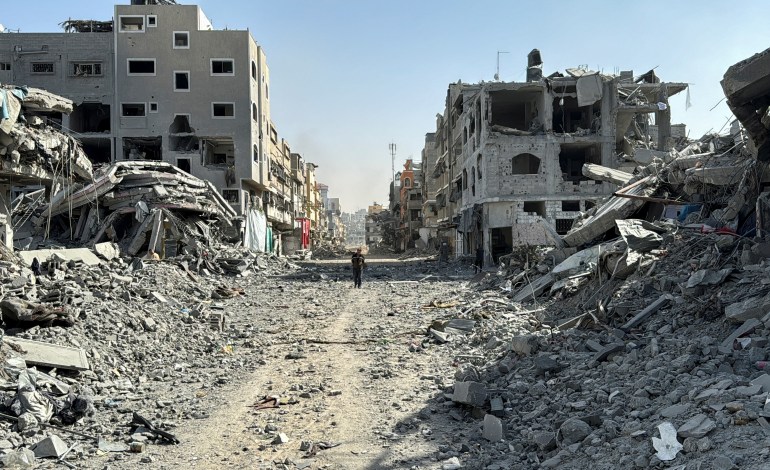
Israeli forces have withdrawn from Kamal Adwan Hospital after detaining dozens of medics and some patients, and causing widespread damage to one of the last functioning hospitals in northern Gaza, the Health Ministry in the besieged enclave has said. The medical facility is in disarray after it was raided and shelled amid Israel’s three-week offensive in the north, with a top Gaza Health Ministry official urging the World Health Organization (WHO) to evacuate the wounded from the hospital considered a lifeline for people in northern Gaza. “The smell of death has spread around the hospital,” Marwan al-Hams, director of field hospitals at Gaza’s Health Ministry, told Al Jazeera, adding that the Israeli forces destroyed the hospital’s medical supplies during their raid to prevent the medics from saving the wounded. More than 600 people, including patients and those accompanying them were housed in the hospital before it was raided on Friday. Medics said on Saturday that at least 44 out of the hospital’s 70-member team had been detained by the army. Later, it was reported that 14 of those detained, including the hospital’s director Hussam Abu Safia, were released. “A critical shortage of medical supplies, compounded by severely limited access, are depriving people of life-saving care,” Tedros Adhanom Ghebreyesus, the WHO chief, posted on X on Saturday. Al Jazeera’s Tareq Abu Azzoum reporting from Deir el-Balah in central Gaza said that the Israeli forces caused widespread damage to the pharmaceutical warehouse and the ICU. “Everyone knows that Kamal Adwan Hospital is considered a medical lifeline for the two-thirds of Palestinians in northern Gaza.” ‘Shooting from all directions’ Outside the hospital, hundreds of spent bullet cartridges littered the floor. Footage shared by the Health Ministry revealed damage to buildings and vandalised wards. Nurse Mayssoun Alian said Israeli forces surrounded the hospital in the morning “and there was shooting from all directions. “They evacuated all those who were sheltering here. They separated the men from women and made two queues. It was very humiliating for our men since they were stripped of their clothes,” she told Al Jazeera. There was chaos inside the hospital with patients lying on the floor, including in the hallways, according to footage accessed by Al Jazeera. A patient and witness in the hospital told Al Jazeera that Israeli forces first shelled the courtyard at about 5am (03:00 GMT) on Friday. “Thirty minutes later, bulldozers destroyed everything, including the tents housing the displaced,” he said. “They destroyed the hospital’s pharmacy and riddled the hospital with bullets. They started calling for Dr Hussam over the loudspeakers.” At least two children died inside the intensive care unit when Israeli forces destroyed the generators and oxygen station on Friday, medics said. ‘Medicide’ Kamal Adwan Hospital spokesperson Hisham Sakani told Al Jazeera that the latest assault marks the 14th time that the hospital has come under Israeli fire. Israel has repeatedly attacked hospitals since it launched the devastating war on October 7, 2023. More than 42,000 Palestinians have been killed by Israeli forces and large parts of Gaza lay in ruins. At least 17 out of 35 hospitals across the Strip are partially functioning. On Friday, the UN special rapporteur on health used a new term – medicide – to describe the widespread and systematic attacks by Israel on healthcare workers and facilities. Gaza’s Health Ministry stated that all detained medical personnel were held by the Israeli military without access to food or water. According to the ministry, three nurses were injured, and three ambulances were destroyed. Among those taken was Mohamed Obeid, head of the orthopaedics department at Al-Awda Hospital nearby, though his current location remains unknown, according to the hospital. Footage shared on social media on Saturday showed hospital director Abu Safia, mourning the loss of his minor son, who was killed during the two-day Israeli assault. An Israeli military spokesperson declined to comment on the report. On Friday, the Israeli military stated it had conducted operations near the hospital based on intelligence indicating the presence of “terrorists and terrorist infrastructure” in the area. A Palestinian man walks past the rubble after Israeli forces withdrew from the area around Kamal Adwan Hospital in northern Gaza [Reuters] A spokesperson from the UN agency for children said northern Gaza is a disaster zone after the Israeli military’s three-week ground incursion. “Attacks have been escalating, hospitals and schools used as shelters haven’t been spared,” UNICEF’s Rosalia Bollen told Al Jazeera. “It’s been extremely difficult to bring supplies to the north with only 224 trucks reaching. But 224 trucks is the number we’d like to get in on a daily basis, not for an entire month. In the hospitals, there’s no food or water for patients. There’s no fuel, no electricity.” The Health Ministry reported that Israeli military strikes on Jabalia, Beit Hanoon, and Beit Lahiya in northern Gaza have killed approximately 800 people over the course of a three-week offensive. A damaged ambulance is seen at the Kamal Adwan Hospital in Beit Lahiya [AFP] Adblock test (Why?)
Will Iran respond to Israel’s latest attack?
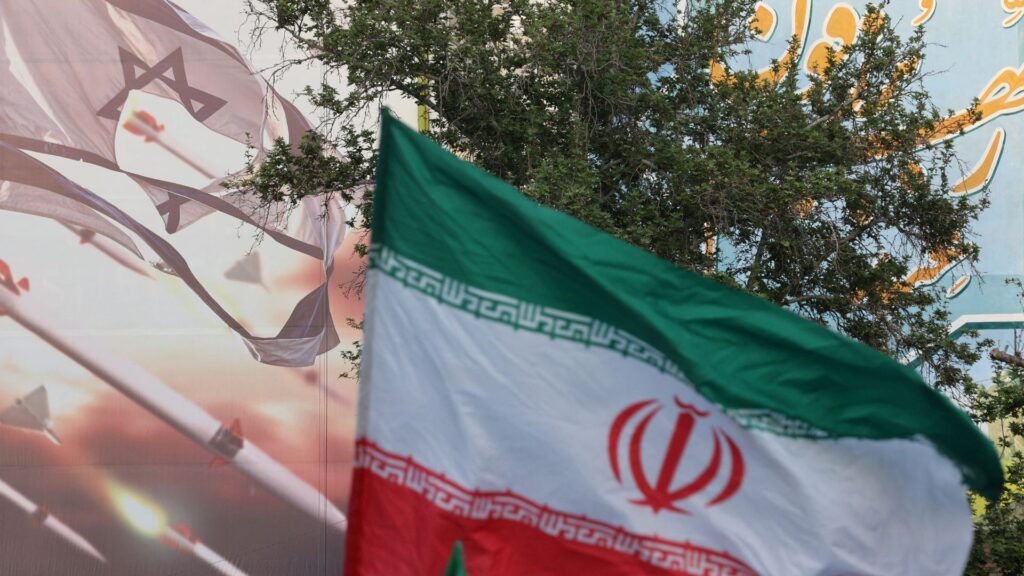
Israel attacked Iran early on Saturday and said its objectives have been achieved. Israel launched air strikes against several Iranian military targets early on Saturday. It said the strikes were in response to what Israel called months of continuous attacks from Iran. Meanwhile, Tehran said the damage was limited. Israel has stepped up its attacks against Iranian-backed groups in Lebanon, Syria and Iran. Now, the Iranian leadership is threatening to retaliate. But could this cycle of violence lead to a broader regional conflict? Presenter: Cyril Vanier Guests: Yossi Beilin – Former Israeli minister of justice who initiated negotiations at the Oslo Peace Accords Mohammad Marandi – Professor of American studies at the University of Tehran Roxane Farmanfarmaian – Professor of modern Middle East politics at the University of Cambridge Adblock test (Why?)
Once upon a time in Dahiyeh: Israel’s destruction of Lebanon’s communities
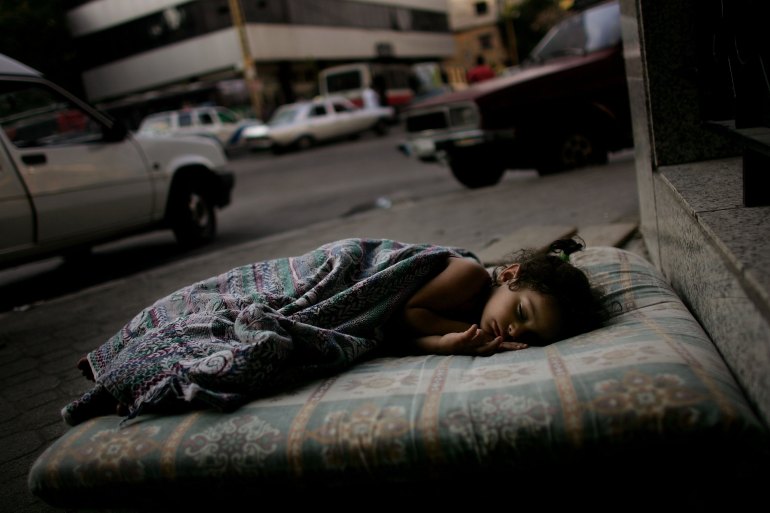
Mazen used to run a gift and perfume store called Mazen Kado (French for gift) in Mreijeh. He lived what he described as a calm life with his beloved cat Cici, the star of his TikTok account. When the bombing started, he sent his family to stay elsewhere while he and Cici remained. On one of the first days after the bombing began, he stepped out to buy a few things and while he was out, an air strike hit his building. “Cici was in the building,” he told Al Jazeera. “I tried to cover my face with all the fire and smoke but I wasn’t able to go inside and bring her out. The building was 10 storeys high and it collapsed.” In a video that went viral on his TikTok account, Mazen films the rubble of his building and sobs audibly, screaming out for Cici. The comments are mostly crying faces or heartbreak emojis. “Everything’s gone,” he told Al Jazeera. “My house is gone … no problem, I’ll get another house. And as the days have passed, everything I owned is now gone. No problem. “The thing that matters to me is if Cici is dead. God willing, she didn’t die.” Mazen hasn’t given up on finding Cici. On his TikTok account, he still posts videos of the rubble that was his home and calls out desperately for his missing cat, no matter how unlikely it is that Cici survived. “I’m out looking every day,” he said. “I stay in Dahiyeh because I take care of the cats so they don’t die,” he said. “I sleep in the street. One night I’ll sleep on the street, one night on a verandah, every night is different. “I still live a calm life. I don’t care about any party or sect, I’m a Lebanese man and I love life and cats and animals.” @cadeauxmazen24 ♬ لوصلك تاقت عيوني وقلبي أناشيد إسلامية – Hamza Boudir Dahiyeh’s once-bustling streets are now largely abandoned. Some people come back during the day, in the moments they feel air strikes are less likely, to grab clothes or check on their homes. “The situation is a disaster,” Younes said. “Dahiyeh is gone.” In 2006, war came to Dahiyeh once again. Hezbollah and Israel fought a 34-day war in which more than 1,220 people were killed, the vast majority of them people in Lebanon. Israel destroyed about 245 buildings and developed a tactic of disproportionate damage that came to be named The Dahiyeh Doctrine. Despite those prior wars, Younes’s family continued to grow in Dahiyeh. But now, some family members don’t see a future there. She said her maternal uncle’s family has decided they won’t return once the war is over. “They’re thinking that once this all ends, they’ll sell everything they own in Dahiyeh and buy something outside the area. Nobody wants that Dahiyeh any more.” Three-year-old Doua Nabou sleeps on a street corner while her family decides where to evacuate in anticipation of Israeli air strikes on August 10, 2006 [Spencer Platt/Getty Images] Harb, the AUB urbanist, also grew up in Dahiyeh but left about 30 years ago. Her father, however, went to Burj al-Barajneh for bread, meat, cheese and labneh until just a few weeks ago. “He’s not doing it because there’s no bread or cheese elsewhere. It’s because he wants to go through the streets of his childhood and needs to do this pilgrimage through the small alleyways to feel a connection to this place and see familiar faces around,” she said. “This is one example of something close to me that has been completely obliterated.” As for al-Dirani, she often dreamed of a life outside of Dahiyeh. “I wanted to go away, but not like that,” she said. “I feel like all of my dreams are collapsing.” “I’m still processing … I’m kind of traumatised,” she said, her voice solemn, soft and introspective. “I don’t want to think about what happened because I feel like I’m in a nightmare and I don’t want to wake up because it’s hard to think what I’m going to do when I do.” The good memories of home still exist in the corners of her mind. But at the moment they’re superseded by the horror of the last few weeks and the fear, or resignation, of what may await so many people living through the war in Lebanon. “I can’t even describe it but I’m trying to tell you what we experienced,” she said, reaching deep for the words. “We’re just sitting and waiting for our day to come. It’s bad for me to say this but we wait for the time we’re going to be killed like our relatives and our loved ones.” Adblock test (Why?)
Iran says Israeli strikes on military bases caused ‘limited damage’
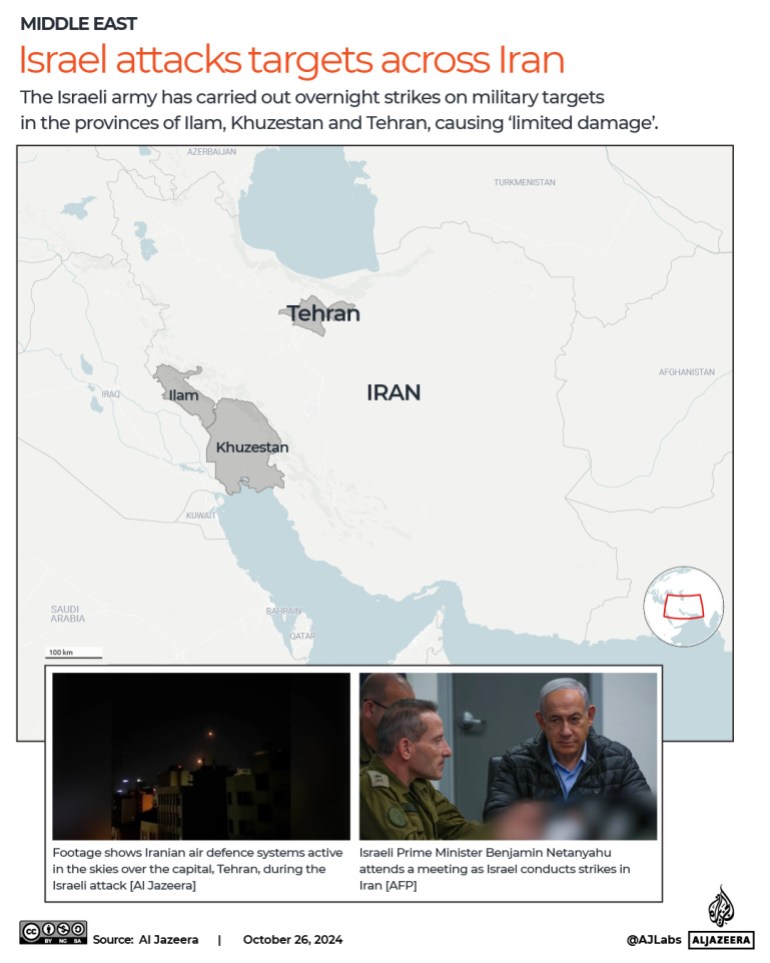
Iran says Israeli air strikes that targeted military bases caused “limited damage” after Israel said it had “completed” its attack and warned against any retaliation. The Israeli army struck military sites in Iran after 2am on Saturday (22:30 GMT on Friday) in response to what it said were months of attacks by “Iran and its proxies” in the region. Hours later the Israeli military said it had “completed” the strikes and “achieved its objectives”. Iran’s air defence headquarters, in a statement, confirmed that bases in the provinces of Ilam, Khuzestan and Tehran were hit but the attacks were “successfully countered”. “Though minor damages were caused in some areas, and the extent of the incident is currently under investigation,” it said. Iran also indicated its readiness to respond to any Israeli “aggression”, the semi-official Tasnim news agency reported, citing sources who said “there is no doubt that Israel will face a proportional reaction for any action it takes”. Reporting from Tehran, Al Jazeera’s Resul Serdar said that while Israel targeted multiple locations across Iran, including the north, east and south, the main focus of the strikes was the Iranian capital. (Al Jazeera) “The attacks primarily aimed at Iran’s air defence systems, missile bases and drone facilities,” he added. “Currently, Iranian officials are not reporting any casualties and assert that their integrated, multi-layered air defence system has functioned effectively, portraying the situation as a success.” Meanwhile, Iran’s Civil Aviation Organization (CAO) said flights had returned to normal across the country. Neither Imam Khomeini International Airport in Tehran nor other airports were attacked. Earlier Israeli military spokesman Daniel Hagari said in a prerecorded video statement, “The regime in Iran and its proxies in the region have been relentlessly attacking Israel since October 7 … including direct attacks from Iranian soil.” He said Israel “has the right and the duty to respond”. Israel’s response was long expected after Iran launched a missile barrage earlier in October, in which about 200 missiles were fired at Israel and one person was killed in the occupied West Bank. Iran said that attack was in retaliation for assaults in recent months that killed leaders of Lebanese group Hezbollah, Palestinian group Hamas and the Iranian military. US calls Iran to break ‘cycle of fighting’ Following the Israeli attacks, the United States urged Iran to stop attacking Israel to break the cycle of violence. “We urge Iran to cease its attacks on Israel so that this cycle of fighting can end without further escalation,” US National Security Council spokesman Sean Savett told reporters. “Their response was an exercise in self-defence and specifically avoided populated areas and focused solely on military targets, contrary to Iran’s attack against Israel that targeted Israel’s most populous city,” he added. Stressing that the US did not participate in the operation, he said “it is our aim to accelerate diplomacy and de-escalate tensions in the Middle East region”. Tensions between archrivals Israel and Iran have escalated after a Hamas-led led attack on southern Israel on October 7, 2023. Since then, at least 42,847 people have been killed and 100,544 wounded in Israel’s war on Gaza. Fears that Iran and the US would be drawn into a regional war have risen with Israel’s intensifying assault on Hezbollah since last month, including air strikes on the Lebanese capital, Beirut, and a ground operation. Adblock test (Why?)
Condemnation, calls for restraint: World reacts to Israeli strikes on Iran
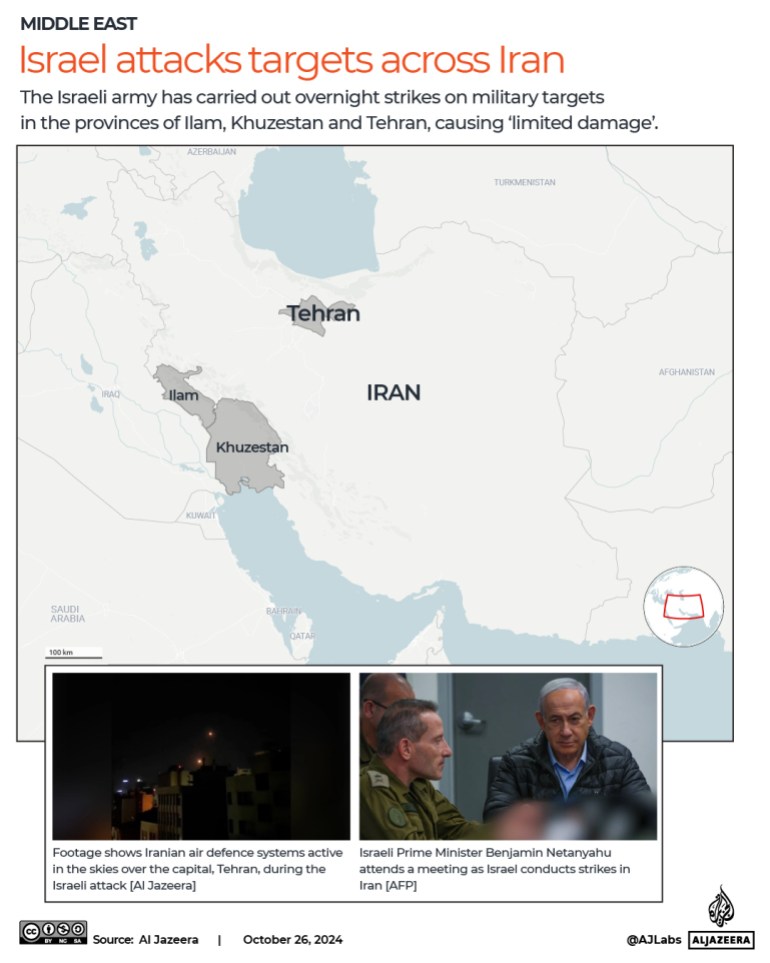
The Israeli military launched strikes on military bases in Iran, hitting about 20 sites over several hours in Ilam, Khuzestan and Tehran. Iran confirmed that the attacks on Saturday targeted military bases but resulted in only “limited damage”, the barrage marking an escalation in the ongoing tensions between the two countries. The Israeli army announced that the operation was complete, and military spokesman Daniel Hagari said that if Iran carries out retaliatory strikes, Israel will be “obligated to respond”. Iran’s air defence headquarters said the “aggressive action was successfully intercepted and countered by the country’s integrated air defense system”. Here are some world reactions: United States “We urge Iran to cease its attacks on Israel so that this cycle of fighting can end without further escalation,” US National Security Council spokesman Sean Savett told reporters. “Their response was an exercise in self-defence and specifically avoided populated areas and focused solely on military targets, contrary to Iran’s attack against Israel that targeted Israel’s most populous city,” he added. Stressing that the US did not participate in the operation, he said “it is our aim to accelerate diplomacy and de-escalate tensions in the Middle East region”. A senior White House official said the Biden administration believed the Israeli operation should “close out” the direct military exchange between Israel and Iran. US President Joe Biden was updated as the Israeli operation was developing and as the attacks were carried out by the Israelis, the official said. Pentagon spokesman Patrick Ryder posted on X that Secretary of Defense Lloyd Austin spoke to his Israeli counterpart Yoav Gallant and “reaffirmed the ironclad commitment of the US to Israel’s security and right to self-defense”. Saudi Arabia Condemning the military targeting Iran as a “violation of its sovereignty” and international laws, the Ministry of Foreign Affairs urged all parties to “exercise the utmost restraint and reduce escalation”. The ministry said in a statement, “The Kingdom affirms its firm position in its rejection of the continued escalation in the region and the expansion of the conflict that threatens the security and stability of the countries and peoples of the region.” In recent months, relations between Saudi Arabia and Iran have improved with high-level meetings held between officials from both sides. In 2023, the two countries agreed to re-establish diplomatic relations and reopen their embassies in a deal reached in China. (Al Jazeera) United Kingdom Prime Minister Keir Starmer said Iran should not respond to a wave of Israeli strikes, urging restraint on all sides. “I am clear that Israel has the right to defend itself against Iranian aggression. I’m equally clear that we need to avoid further regional escalation and urge all sides to show restraint. Iran should not respond,” he told a news conference in Samoa, where he has been attending a Commonwealth leaders’ meeting. Pakistan The Israeli military strikes “against the sovereignty and territorial integrity” of Iran “are a grave violation of the UN Charter and the international law”, the Ministry of Foreign Affairs said. The attacks “undermine path to regional peace and stability and also constitute a dangerous escalation in an already volatile region,” the ministry statement said, adding that “Israel bears full responsibility for the current cycle of escalation and expansion of the conflict in the region”. It also called on the United Nations Security Council “to play its role for the maintenance of international peace and security, and to take immediate steps to bring an end to Israeli recklessness in the region and its criminal behaviour”. United Arab Emirates The Gulf nation condemned the military targeting of Iran and stressed the importance of exercising “maximum restraint” to avoid escalation. Malaysia The Ministry of Foreign Affairs called the Israeli strikes a “clear violation of international law” that “seriously undermine regional security”. It also said that “Malaysia calls for an immediate cessation of hostilities and an end to the cycle of violence”. Israel’s continued attacks on countries in the Middle East continue to bring the region closer to the brink of a wider war, the ministry statement added. Adblock test (Why?)
Lebanon added to money laundering ‘grey list’
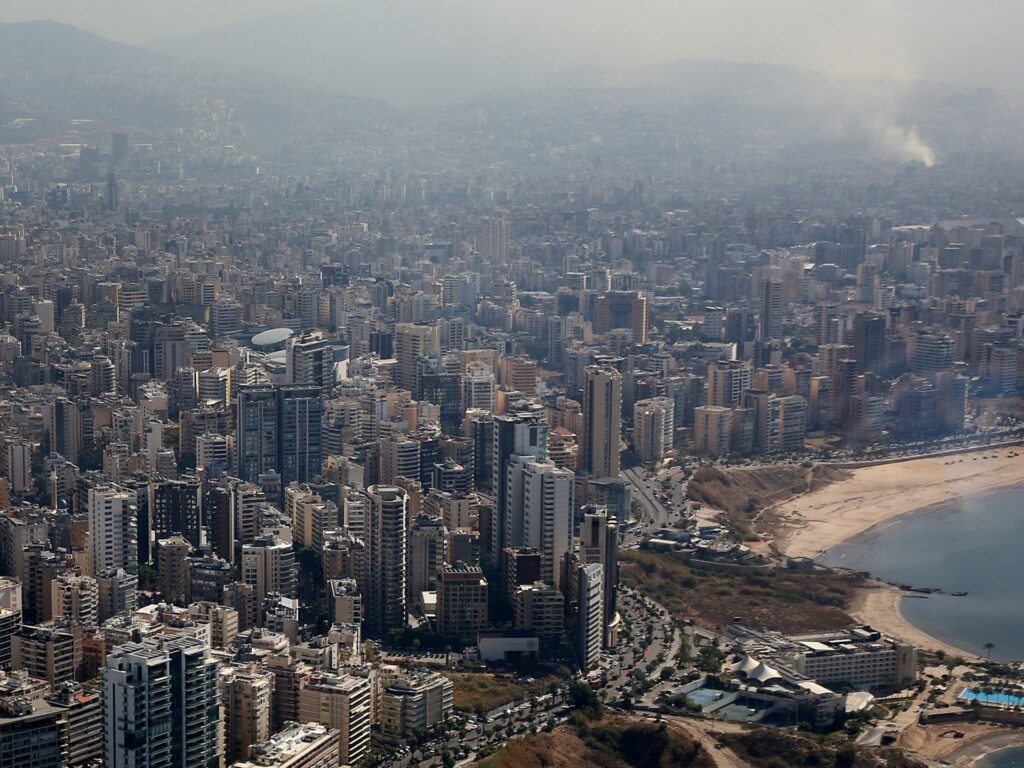
Global watchdog adds Lebanon to its list of nations subject to increased monitoring of financial transactions. A global anti-money laundering watchdog has added Lebanon to its “grey list” of nations that are subject to increased monitoring of financial transactions. The Paris-based Financial Action Task Force (FATF) said on Friday that Lebanon had made progress on several recommended actions and would continue to implement reforms. Lebanon has been in a financial crisis since 2019 that has been left to fester by the country’s leaders and now faces growing damage from Israeli air strikes and ground operations against the Lebanese armed group Hezbollah. The grey-listing could potentially further deter investment in Lebanon and could affect the relationship between some Lebanese banks and the global financial system. “Of course, we recognise the extremely grave situation that Lebanon is currently facing,” said Elisa de Anda Madrazo of Mexico, which currently holds the organisation’s rotating presidency. Lebanon’s being put on the grey list “should not impede relief efforts … and we are working to ensure that channels of humanitarian aid remain open,” she said. De Anda said that being put on the grey list was not a “punitive measure” and was part of the process of helping nations develop action plans to make improvements. The FATF also said it added Algeria, Angola, and Ivory Coast to its grey list. Senegal was removed from the grey list and the FATF noted improvements, including in its ability to investigate and prosecute money laundering cases linked to corruption. The FATF made no changes to its “black list” of nations against which countermeasures should be taken to protect the international financial system from money laundering and terrorist financing risks emanating from those countries. Iran, Myanmar and North Korea are on the black list. Adblock test (Why?)
Brazil seals $30bn compensation deal with BHP, Vale over 2015 dam collapse

The dam collapse unleashed wave of tailings in disaster that killed 19 people, left hundreds homeless, flooded forests. Brazil has signed a 170 billion reais ($29.85bn) compensation agreement with miners BHP, Vale and Samarco for the Mariana dam collapse in 2015, one of the country’s worst environmental disasters. The agreement was signed on Friday. The collapse of the dam at the iron ore mine owned by Samarco, a joint venture between Vale and BHP, near the city of Mariana in southeastern Brazil, unleashed a wave of tailings in a disaster that killed 19 people, left hundreds homeless, flooded forests and polluted the length of the region’s Doce River. Brazilian President Luiz Inacio Lula da Silva attended a ceremony in Brasilia to mark the signing of the agreement, with the government saying the first instalment of 5 billion reais ($878m) must be paid within 30 days. The agreement provides for the payment of 132 billion reais ($23bn), of which 100 billion reais ($17.5bn) represent “new resources” that must be paid to public authorities within 20 years by the companies involved in the tragedy. The other 32 billion reais ($5.6bn) will be allocated to compensate for affected people and reparation actions that will remain their responsibility. That’s in addition to the 38 billion reais ($6.6bn) the miners say they have disbursed. The government’s solicitor general, Jorge Messias, said the agreement’s resources will enable local authorities to compensate families for financial losses and fund environmental recovery in affected areas. These efforts will focus on the states of Minas Gerais, where the dam is located, and Espirito Santo, through which the Doce River flows to the sea. The annual payments are scheduled until 2043, with values varying between 7 billion reais ($1.2bn) in 2026 and 4.41 billion reais ($7.7bn) in the last instalment. ‘Provide justice’ “These resources will allow us to provide justice in reparation to the families directly affected, and their impact will be felt over several areas, not only in the recovery of the environment but in the resumption of economic activities, health and infrastructure,” Messias said. In a statement, BHP said it expected outflows under the agreement to align with its full-year 2024 Samarco provision of $6.5bn, and no update was required to the existing provision. Friday’s agreement could end more than a hundred lawsuits against the mining companies in the South American country and possibly limit legal action abroad, three sources close to the matter said this week. BHP is contesting liability in a lawsuit worth up to 36 billion pounds ($47bn) in London’s High Court over its responsibility for the Mariana disaster. The world’s largest miner by market value argues that the London lawsuit duplicates ongoing legal proceedings and reparation and repair programs in Brazil and should, therefore, be dismissed. Adblock test (Why?)