

Abu Dhabi wave pool added as new venue on World Surf League 2025 tour
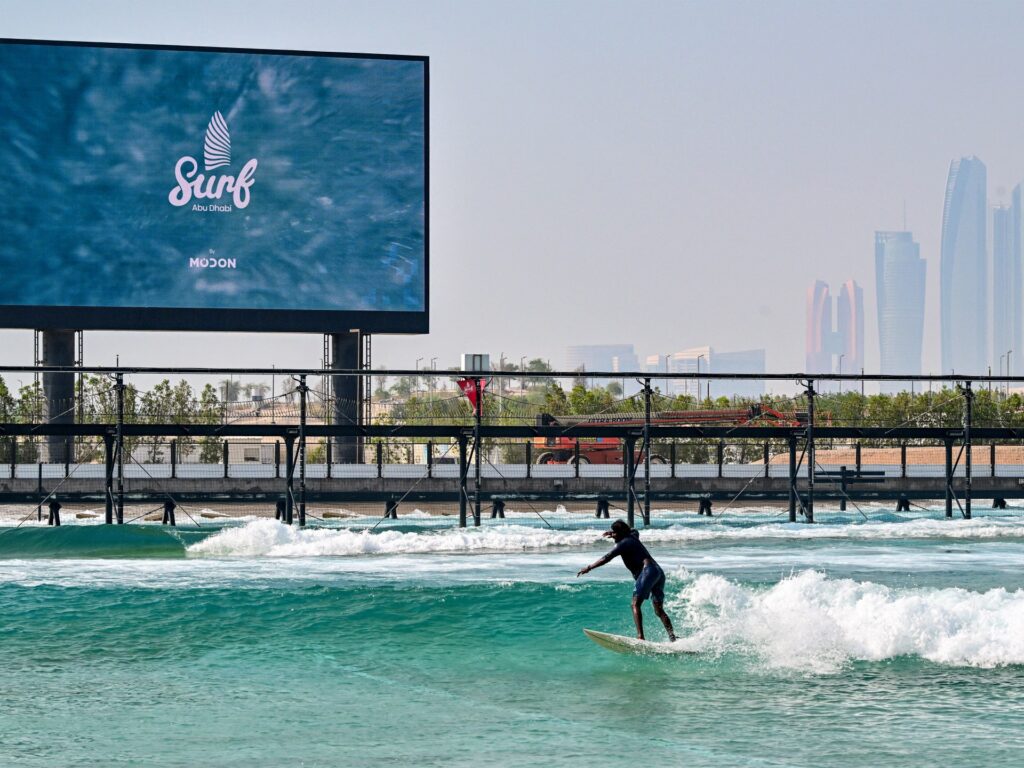
League to stage an event in the Middle East for the first time at Hudayriyat Island in Abu Dhabi. The world’s biggest artificial wave in Abu Dhabi has been added to surfing’s 11-stop world tour for 2025, the World Surf League (WSL) says, with Fiji confirmed to host the finals to crown the world champions at the tour’s conclusion. The tour will again start at Hawaii’s dangerous Banzai Pipeline in late January before heading to the Surf Abu Dhabi wave pool in the United Arab Emirates for the first time. The 75,000sq-metre (807,300sq-foot) pool uses the same technology as California’s Surf Ranch, developed with 11-time world champion Kelly Slater, which has hosted several world tour surfing events to mixed reviews. “We’ve built this schedule to include more events and feature a variety of breaks,” Ryan Crosby, WSL CEO, said on Thursday. “We’ve brought back some of the tour’s most desirable locations while aligning dates with favourable swell windows to open up more opportunity for quality surf. “We’ll see a great mix of locations from heavy-water barrels to high-performance waves and pristine point breaks.” Back on the schedule are the reeling right-hand point breaks of Jeffreys Bay in South Africa, which was skipped to accommodate the Olympics last year, and Snapper Rocks in Australia, which returns to the championship tour after a five-year hiatus. The tour’s controversial mid-season cut, which reduces both the men’s and women’s fields by one-third, remains in place after stop number seven at Margaret River in Western Australia. The change in the season-ending WSL finals to the heaving barrels and long walls of Fiji’s Cloudbreak reef was widely praised by surfers and fans after championships were decided for the past four years at the fun but soft waves of Lower Trestles in California. 2025 WSL world championship tour schedule: Banzai Pipeline, Hawaii, United States: January 27 to February 8 Surf Abu Dhabi, Abu Dhabi, United Arab Emirates: February 14-16 Peniche, Portugal: March 15-25 Punta Roca, El Salvador: April 2-12 Bells Beach, Victoria, Australia: April 18-28 Snapper Rocks, Queensland, Australia: May 3-13 Margaret River, Western Australia, Australia: May 17-27 (mid-season cut) Lower Trestles, San Clemente, California, US: June 9-17 Saquarema, Rio de Janeiro, Brazil: June 21-29 Jeffreys Bay, South Africa: July 11-20 Teahupo’o, Tahiti, French Polynesia: August 7-16 WSL finals – Cloudbreak, Fiji: August 27 to September 4 Adblock test (Why?)
Photos: 3 million lose power as Hurricane Milton makes landfall in Florida
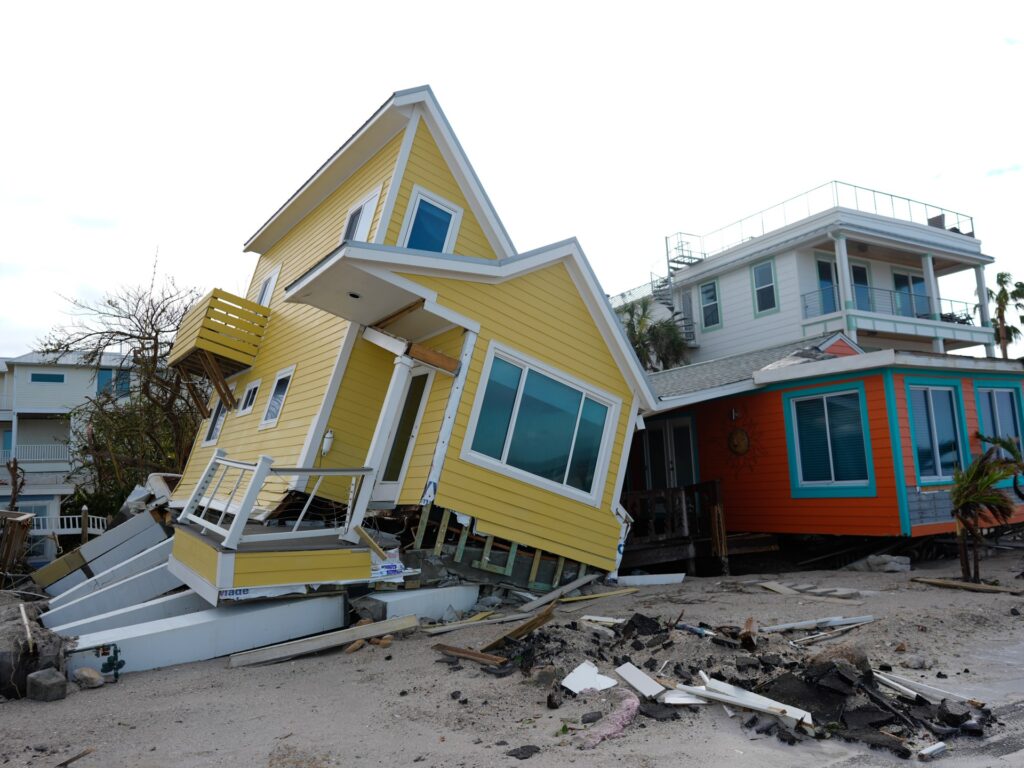
Hurricane Milton is barreling into the Atlantic Ocean after ploughing across Florida. Milton caused at least five deaths and compounded the misery wrought by Hurricane Helene two weeks ago, while sparing the city of Tampa a direct hit. The storm weakened in the final hours, making landfall late Wednesday as a Category 3 storm in Siesta Key, about 70 miles (113km) south of Tampa. The storm knocked out power to more than three million customers and whipped up a barrage of tornadoes. While it caused a lot of damage and water levels may continue to rise for days, Florida Governor Ron DeSantis said it was not “the worst-case scenario.” Jennifer Francis, senior scientist at the Woodwell Climate Research Centre, told Al Jazeera that the powerful storms experienced by the US southeast in recent years are partly a result of man-made climate change. “By putting so many greenhouse gases, carbon-containing gases, into the atmosphere that trap more heat by the surface, most of that heat goes into the ocean,” said Francis. “And we know that heat in the ocean is the fuel that these storms feed off of. What this extra energy does to these storms is make them stronger, it makes them intensify more rapidly, [and] the evaporation from the extra warm water provides more moisture for them to use as rain – and we’ve seen the very heavy rain totals coming out of these storms,” she added. Adblock test (Why?)
TD Bank pleads guilty to US charges, faces business restrictions

Federal authorities began probing TD’s internal controls after agents discovered a Chinese criminal operation bribed employees and brought large bags of cash into branches to launder millions of dollars. Two TD Bank units have pleaded guilty to United States criminal charges and agreed to pay $3bn in combined penalties to resolve federal government probes into money laundering, US authorities have said. The plea deal includes imposition of an asset cap and other limitations to its business, authorities said on Thursday. The bank has pleaded guilty to conspiring to launder money and conspiring to fail to file accurate reports or maintain a compliant anti-money laundering programme, the US Department of Justice said. The cap on its asset expansion in the US, imposed by the Office of the Comptroller of the Currency, is a rare step typically reserved for severe cases. It would deal a major blow to TD’s hopes to expand further in the US, which accounts for about a third of the bank’s income. TD also agreed to pay $3bn in combined penalties to US banking regulators, the Justice Department and the Department of the Treasury’s Financial Crimes Enforcement Network. The deal resolved investigations by the Justice Department, the Office of the Comptroller of the Currency and Treasury’s Financial Crimes Enforcement Network. It also included the imposition of independent monitoring. An asset cap is “worst-case scenario” for TD, said Cormark Securities analyst Lemar Persaud, prior to the details of the plea deal being announced. The bank had already set aside $3bn for the fine. Persaud drew a parallel with Wells Fargo, which has a $1.95 trillion asset cap in place following a fake accounts scandal, which has constrained its earnings. An asset cap would also constrain TD’s profits, but to a lesser extent than it did for Wells Fargo, he said. The TD probe has led to “significant underperformance of the stock and, we believe, the retirement of the current CEO Bharat Masrani,” Persaud said. TD is Canada’s second-biggest bank and the 10th-largest in the US. The lender first revealed it was responding to inquiries from regulators and law enforcement last year, just months after it terminated a $13bn acquisition of regional lender First Horizon. Federal authorities began probing TD’s internal controls after agents discovered a Chinese criminal operation bribed employees and brought large bags of cash into branches to launder millions of dollars in fentanyl sales through TD branches in New York and New Jersey, a source confirmed. TD has spent millions to strengthen its compliance programmes, fired dozens of staff at its US branches and named its Canadian personal banking head Ray Chun as its new CEO, distancing its new chief from the money laundering scandal. CEO Masrani, who has been at the helm for nearly a decade and previously led its US operations, will retire next year. Masrani has said he takes full responsibility for the money laundering issues that have plagued the bank. Adblock test (Why?)
Biden blasts Trump over misinformation about Hurricanes Milton and Helene
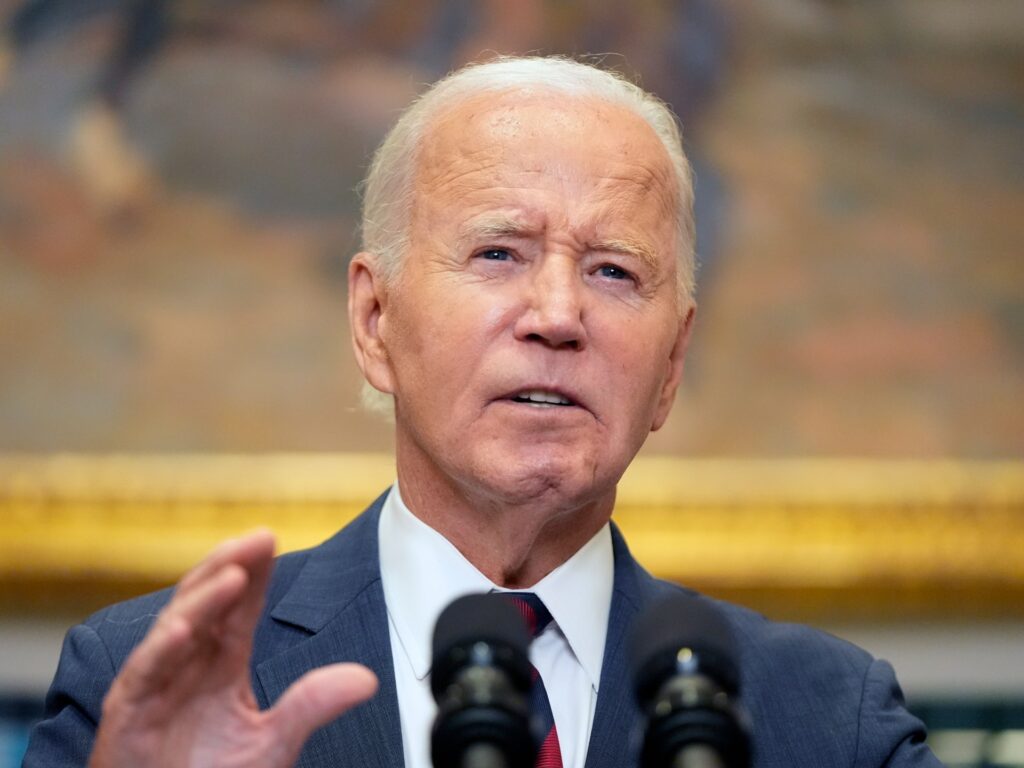
US president accuses predecessor of leading ‘onslaught of lies’ about government’s response to the storms. United States President Joe Biden has condemned misinformation about Hurricanes Milton and Helene as “un-American”, singling out his predecessor for making false claims about the government’s rescue and recovery efforts. Speaking as Hurricane Milton was on the verge of making landfall in Florida on Wednesday, Biden said people in need of help were being put at risk by the “reckless, irresponsible and relentless” promotion of disinformation about the government’s response to the storms. “Quite frankly, these lies are un-American,” Biden said in remarks at the White House. “Former President Trump has led this onslaught of lies.” Biden signalled out a number of baseless claims made by Trump, including that disaster relief funds had been diverted to migrants. “What a ridiculous thing to say. It’s not true,” Biden said. Asked by reporters why he thought Trump was spreading false claims about the government’s response, Biden said he did not know. “I simply don’t know. You can speculate, but I just find it – I’ve used the phrase more than I’ve ever used it in my career – it’s un-American. It’s un-American. It’s not who the hell we are,” he said. Biden also condemned the promotion of “even more bizarre” claims by Republican House of Representatives member Marjorie Taylor Greene, a close Trump ally. “Congresswoman Marjorie Taylor Greene, a congresswoman from Georgia, is now saying the federal government is literally controlling the weather – we’re controlling the weather,” he said. “It’s beyond ridiculous. It’s got to stop.” Vice President Kamala Harris, the Democratic nominee for November’s presidential election, levelled similar criticism at Trump in an interview with CNN, branding his behaviour “unconscionable”. “We all know it’s dangerous, and the gamesmanship has to stop at some point, the politics have to end, especially in a moment of crisis,” Harris said. Trump on Wednesday reiterated his criticism of the Biden administration’s handling of the crisis. “This administration has not done a proper job at all. Terrible, terrible,” Trump said at a campaign rally in the key swing state of Pennsylvania. “We just pray for everybody,” he said. “We hope that God will keep them safe.” Hurricane Milton made landfall near Siesta Key, Florida at about 8:30pm (01:30 GMT Thursday) local time, battering the coastal state with winds of up to 193km/h (120mph). Milton, which the National Hurricane Center has described as “extremely dangerous” and “life-threatening”, comes less than two weeks after Hurricane Helene killed at least 230 people across Florida and several other southern states. Adblock test (Why?)
Russia-Ukraine war: List of key events, day 958
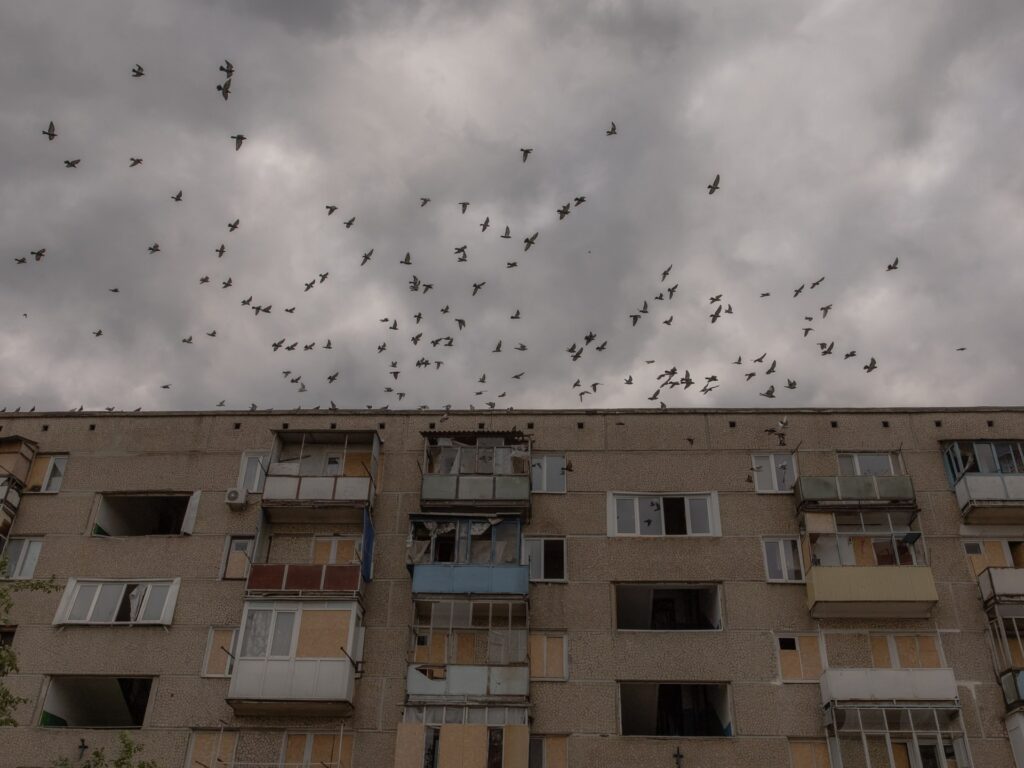
As the war enters its 958th day, these are the main developments. Here is the situation on Thursday, October 10, 2024. Fighting At least six people were killed and eight injured after a Russian ballistic missile attack on the port infrastructure of Ukraine’s southern Odesa region. Deputy Prime Minister Oleksii Kuleba said a Panamanian-flagged container ship, the Shui Spirit, was damaged in the attack, the third in the region in the past four days. Ukraine’s military said it struck a base in Russia’s southern Krasnodar region where Shahed drones were being stored. A statement by the General Staff said the attack was carried out jointly by naval forces and the SBU intelligence service. There was no official comment from Russia, although emergency services reported a large fire around the location of the alleged attack. Ukraine said it also hit a Russian weapons arsenal in the Bryansk region where ammunition for missile and artillery weapons, including those delivered from North Korea, was stored. Bryansk authorities later declared a state of emergency following “detonations of explosive objects”. Russia’s air defence units destroyed 47 Ukrainian drones targeting its western regions, the Ministry of Defence said. Regional officials said there were no reports of casualties. Russia’s Defence Ministry said it had retaken the villages of Novaya Sorochina and Pokrovsky in its Kursk region after they were captured by Ukraine in a surprise August offensive. Politics and diplomacy Ukrainian President Volodymyr Zelenskyy told a summit of southeast European leaders in Croatia that there was an “opportunity” to take “decisive action” to end the war in 2025. The Ukrainian president did not spell out how and why he saw such an opportunity. Zelenskyy, who is urging Ukraine’s Western allies to allow it to use long-range weapons on military targets deep inside Russia, is due to hold talks with French President Emmanuel Macron, NATO Secretary-General Mark Rutte and British Prime Minister Keir Starmer as well as Italian Prime Minister Giorgia Meloni in meetings across Europe on Thursday. European Union envoys approved a plan to loan Ukraine as much as 35 billion euros ($38bn) backed by frozen Russian central bank assets. European Commission President Ursula von der Leyen said Hungary was putting European security at risk as a result of its close ties with Russia. Speaking at a debate with populist Hungarian Prime Minister Viktor Orban at the European Parliament, von der Leyen took aim at Budapest’s reluctance to join EU partners in helping Ukraine against Russia’s invasion. “The world has witnessed the atrocities of Russia’s war. And yet, there are still some who blame this war not on the invader but the invaded,” she said. Ukrainian investigators said they arrested 24-year-old Serhiy Gnezdilov, a soldier who fled his army unit in protest over the lack of term limits for long-serving troops, for desertion. Gnezdilov faces as many as 12 years in prison if found guilty. A Russian court found Trevor Reed, a former US Marine who was freed in a 2022 prisoner swap, guilty in absentia of serving as a mercenary for Ukraine and handed him a 14.5-year prison sentence. Investigators said Reed had joined Ukraine’s military in July 2023. A Russian court sentenced activist Yevgeny Mishchenko to 12 years in a penal colony for allegedly planning to join the Freedom of Russia Legion, a banned unit of Russians supporting Ukraine. Mishchenko was one of a handful of volunteers guarding a makeshift Moscow memorial to Boris Nemtsov, an opposition politician killed in 2015. The case was based on evidence from a security agent who posed as a volunteer at the memorial and recorded conversations with Mishchenko. Ukraine aims to organise a new peace summit by the end of this year and wants Russia to attend this time, Vasyl Bodnar, its ambassador to Turkey said. He ruled out any direct bilateral talks with Moscow at the meeting, saying any discussions were likely to take place through third-party intermediaries. Adblock test (Why?)
Taiwan’s President Lai says will ‘resist annexation or encroachment’
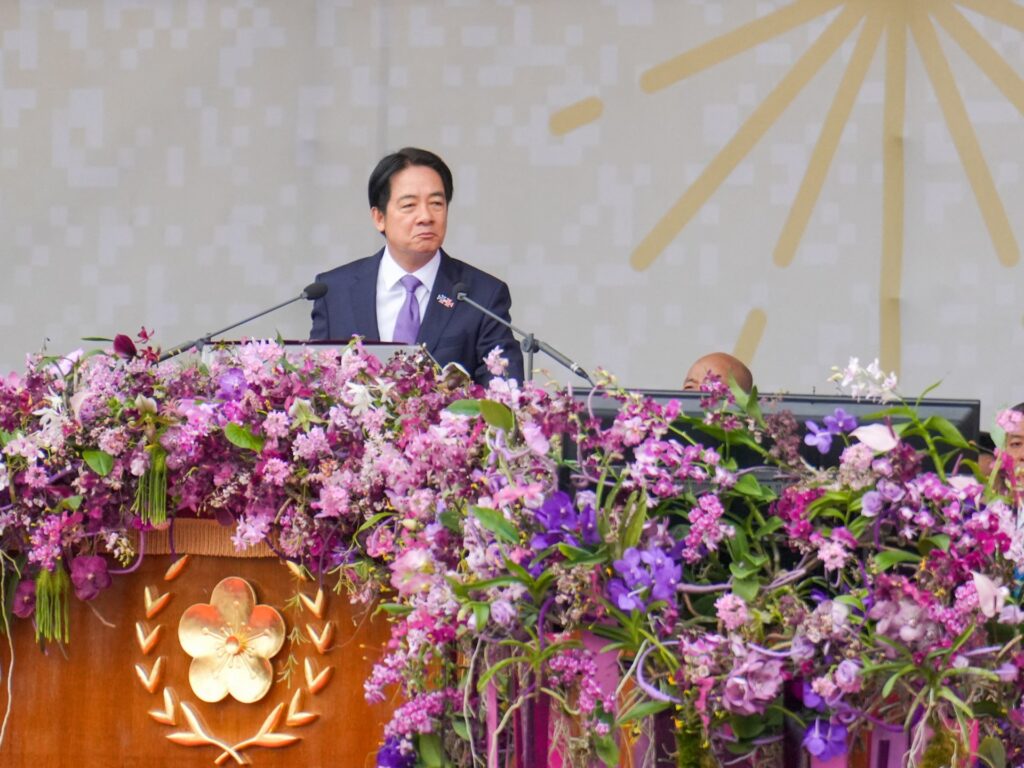
In his first National Day speech, new president stresses ‘thriving’ democracy of island claimed by Beijing. Taiwan’s President William Lai Ching-te has said he will stand against any attempt at annexation or encroachment into the island’s territory. China claims the self-ruled democracy as its own and has not ruled out the use of force to achieve its goal of unification. It has ratcheted up pressure on Taiwan since Lai, who it portrays as a “separatist”, was elected president in January. Addressing the island’s 23 million people, Lai began his first National Day speech by expressing his pride in Taiwan’s democracy. “Our democracy is growing and thriving,” he said, standing at a podium set up in front of the presidential office. “The People’s Republic of China [China’s official name] has no right to represent the people of Taiwan.” He said Taiwanese people were able to work together despite disagreements and urged them to look to the future. “I will uphold the commitment to resist annexation or encroachment on our sovereignty,” he said. Still, Lai’s tone for much of the speech was pragmatic. He indicated a willingness to cooperate with Beijing on issues such as climate change, tackling contagious diseases and “maintaining regional security to pursue peace and mutual prosperity for the wellbeing of the people on the two sides of the Taiwan Strait”. Lai also urged Beijing to use its influence in diplomatic efforts to resolve the wars in Ukraine and the Middle East. Adblock test (Why?)
Palestinians shot at while fleeing Israeli assault in north Gaza

NewsFeed People have been shot trying to flee an Israeli assault on Jabalia in northern Gaza. It’s the third ground offensive in the area since the war on Gaza began and dozens of people have already been killed. Published On 9 Oct 20249 Oct 2024 Adblock test (Why?)
Middle East tension is ratcheting up; could oil prices rise?
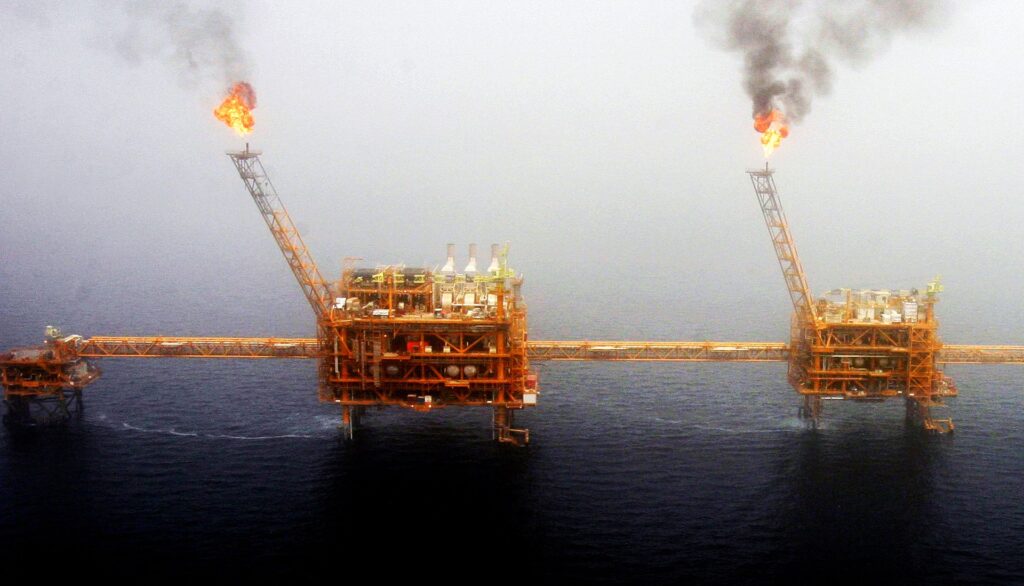
Fears of a widening war in the Middle East have pushed up oil prices. Geopolitical tensions in the Middle East have historically led to a sharp increase in oil prices. Today, Israel’s yearlong war on Gaza and its ground offensive in Lebanon have done little to boost prices. That is despite production cuts by major oil producers since October 2022. A wider war in the Middle East that pits Iran against Israel could change that. A dramatic increase in the price of oil could reignite inflation and have serious implications for the global economy. Many nations are pushing back against China’s exports of electric cars. Plus, will Thailand’s so-called “digital wallets” help grow its economy? Adblock test (Why?)
Kemi Badenoch and Robert Jenrick left in race to be UK Conservative leader
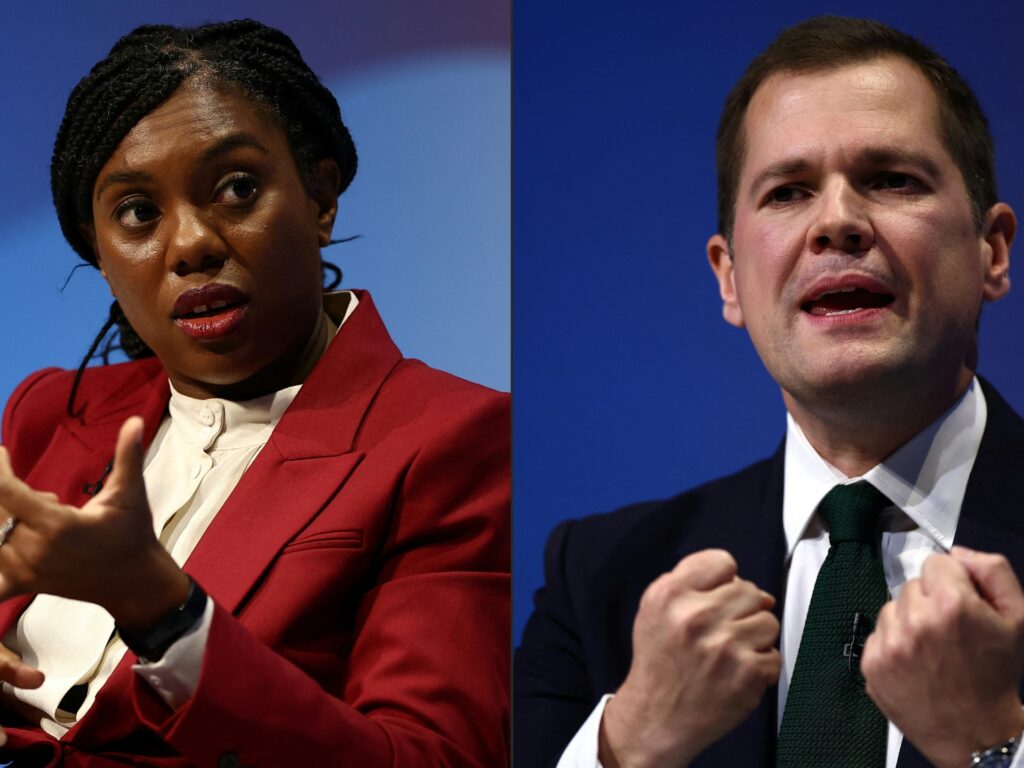
Party members will now choose between former Trade Minister Badenoch and former Immigration Minister Jenrick after James Cleverly was eliminated from the race. Two right-wing former ministers will go head-to-head in the final round of the race to become the next leader of the UK’s Conservative Party after former Foreign Minister James Cleverly was eliminated. Wednesday’s vote by Conservative lawmakers saw Kemi Badenoch receive 42 out of 120 votes, ahead of Robert Jenrick with 41 votes. In a surprise twist, Cleverly, who won the previous round of voting, was eliminated from the race with 37 votes. The vote is the penultimate step in a race that has been marked by the kind of in-fighting that some Conservatives blame for their party’s defeat in July’s national election. Party members nationwide will now choose between former Trade Minister Badenoch and former Immigration Minister Jenrick, with the victor to be announced on November 2. Jenrick, a hardliner who calls for the United Kingdom to make deep cuts to immigration and rip up European human rights law, had been considered the frontrunner since the contest started in July. Meanwhile, Badenoch, a former trade minister, has positioned herself as an outspoken darling of not just the right wing of the party but of younger lawmakers, promising to be “something different”, a challenging voice in what she describes as a broken government system. According to the Conservative Home website, Badenoch is the most popular contender among the party’s membership. The final two both say they will reunite a party which had become mired in chaos, scandal and deep divisions over Brexit during its last eight years in government, and pledge to return it to its conservative roots to offer an alternative to Labour at the next national election, which must take place by mid-2029. Whoever becomes leader will be charged with turning around the Conservatives’ fortunes after they suffered a heavy defeat in the July election, when Labour won a landslide victory. But the Conservatives are more hopeful of returning to power in five years rather than the once expected 10 after Prime Minister Keir Starmer suffered a bumpy start to government, coming under fire over welfare cuts and donations for clothes. Adblock test (Why?)
At least two killed, 30 injured, in latest Russian attacks on Kharkiv
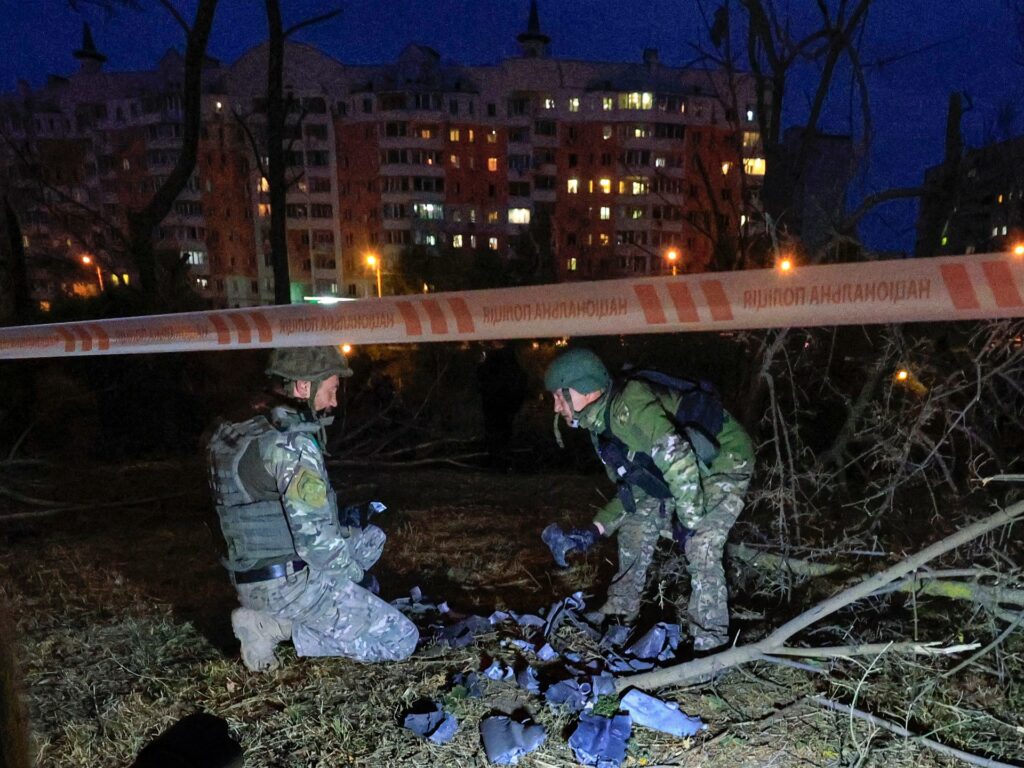
Northeastern city, the second biggest in Ukraine, has been a regular target for Russia since it began its full-scale invasion two-and-a-half years ago. Russian attacks on Kharkiv, Ukraine’s second-biggest city, have killed at least two people and injured more than 30, including a teenager. Russian forces dropped about four guided bombs on the northeastern city, about 30km (18 miles) from the border with Russia, on Tuesday afternoon, Governor Oleh Syniehubov said. One of the bombing attacks killed a man and a woman who were walking along the street, he said, adding that at least three other people were injured. An earlier attack injured 28 people, including a 16-year-old, Syniehubov said. The authorities were working to verify the type of weapon used in that incident. Syniehubov and Kharkiv Mayor Ihor Terekhov said a civilian production facility had been hit. Terekhov said there had also been a fire. Kharkiv has been a frequent target of Russian attacks since Moscow launched its full-scale invasion of Ukraine in February 2022. Last week, a Russian guided bomb attack on the city struck a five-storey apartment block, injuring 10 people. There were several attacks on the city in September. Three people were killed when a Russian guided bomb hit an apartment building as world leaders were due to meet at the United Nations in New York. And dozens were hurt after a Russian missile struck a shopping mall and a sports centre at the beginning of the month. Ukraine also reported that civilians were killed in Russian attacks on the south and east of the country on Tuesday. The head of the southern Zaporizhia region, Ivan Fedorov, said a 71-year-old man was killed in a drone attack as he travelled in his car in the village of Prymorske, which is on the Dnipro river south of the regional capital and close to the front line. A woman who was with him in the car was admitted to hospital, Fedorov said. In the east of the country, where the fighting is most intense, officials said that a Russian attack killed one person and injured six others in the town of Kostiantynivka. The head of the Donetsk region, Vadym Filashkin, said Moscow’s forces had dropped “three guided aerial bombs on the town, hitting two residential buildings”. Adblock test (Why?)