

US dockworkers press on with second day of strike, with no deal in sight

US President Biden urged for a quick deal to end the standoff, which threatens to drain billions from the US economy. Tens of thousands of United States dockworkers have continued to strike for a second day, keeping shipments at major eastern dockyards at a standstill. Containers at 36 ports stretching from Maine to Texas piled up on Wednesday, as the dockworkers appeared no closer to a deal with their employers’ group, the United States Maritime Alliance (USMX). The stoppage is aimed at securing higher wages and better protections for the 45,000 workers in the International Longshoremen’s Association (ILA), but experts fear it could spur stinging economic losses and higher inflation in the month before presidential elections. The market forecaster Oxford Economics projects the standoff could drain between $4.5bn and $7.5bn from the US economy for every week that passes. ‘Time for them to sit down’ White House officials, fearing an economic dip, urged USMX to engage more with the port workers’ demands, which include a 77 percent wage hike over six years and a ban on automation. “It’s time for them to sit at the table and get this strike done,” Biden told reporters on Wednesday. He said ocean carriers had raked in huge profits during the COVID-19 pandemic and should fairly compensate the workers who kept their businesses booming. “They made incredible profits, over 800 percent profit since the pandemic, and the owners are making tens of millions of dollars from this,” Biden said. The president’s transportation secretary, Pete Buttigieg, also urged the port employers to make more concessions. “The companies need to put forward an offer that’s going to get the workers to the table,” Buttigieg said. “We actually think the parties economically are not as far apart from each other as they may think.” In its final offer, before negotiations collapsed, USMX offered to raise wages by 50 percent and keep current automation checks in place. ‘The longer the strike, the deeper the damage’ While a short-term stoppage is expected to have minimal effects on US consumers, a prolonged strike could spell trouble, analysts say. “The longer the strike action goes on and the longer it takes the US government to intervene, the deeper the damage will be to the economy and the longer it will take for ocean supply chains to recover,” said Peter Sand, chief analyst at shipping data company Xeneta. Biden has the authority under the 1947 Taft-Hartley Act to order the union members back to work, but he has avoided taking such action. The Democrat has long touted his ambition to be “the most pro-union president leading the most pro-union administration in American history”, and he made history in September 2023 by becoming the first sitting president to join a picket line. In the midst of the current standoff, Biden has directed his team to watch out for potential price gouging that benefits foreign ocean carriers, according to the White House. Adblock test (Why?)
More than 200 killed: What caused the devastating floods in Nepal?
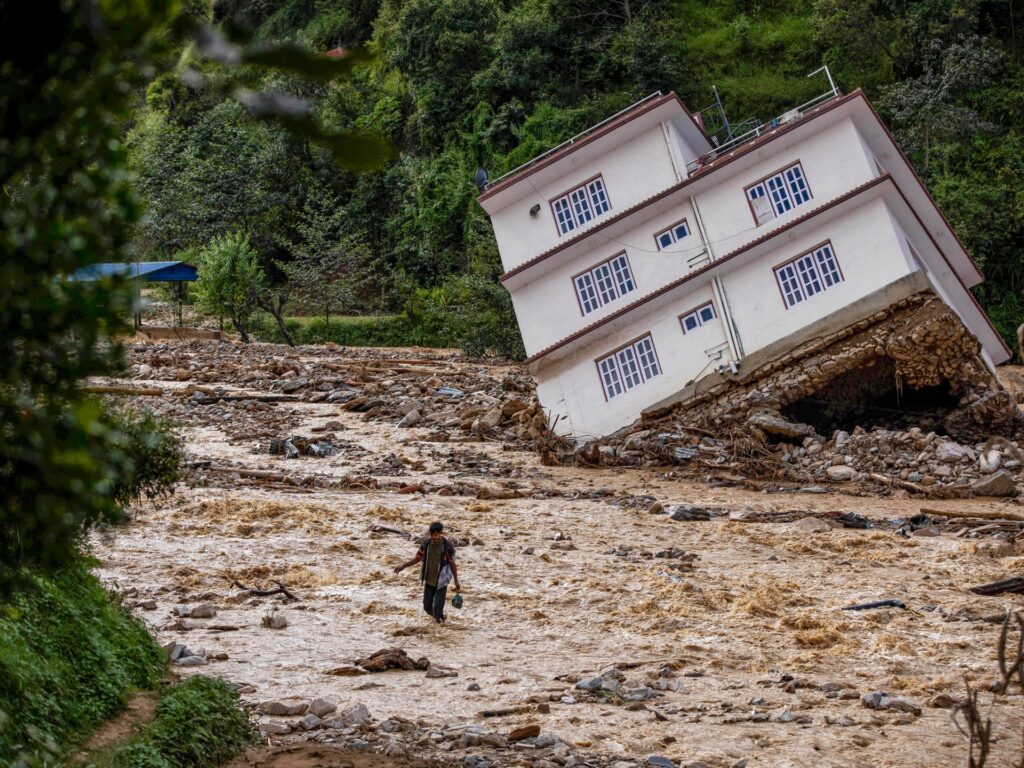
Nepalese capital Kathmandu was inundated by floodwaters last week after record-breaking rains caused the Bagmati river to breach its banks. More than 200 people have been killed and thousands of houses damaged in the worst flooding and landslides in the Kathmandu valley in years. So what caused the flooding and landslides? Was it climate change or unchecked urban encroachment of the river that passes through Kathmandu valley? We speak to experts to understand the deadly flooding in the Himalayan region. How much did it rain in Kathmandu? From Thursday to Sunday, the Kathmandu valley recorded about 240mm (9.4 inches) of rain – the biggest deluge since 2002, according to a monitoring station at the Kathmandu airport. Some parts of Kathmandu reported rain up to 322.2mm (12.7 inches). The intense downpour was mostly seen in Kathmandu and surrounding regions. Popular tourist destination, the mountainous Pokhara which is more than 200km (124 miles) from Kathmandu, was also hit by flooding. How many people died in the Nepal flood? On Wednesday morning, the Nepal Police Headquarters reported that the death toll from the floods and resulting landslides had risen to 228. At least 25 other people are missing and 158 injured, according to the police report cited in local news outlet, The Kathmandu Post. What is the status of flood recovery efforts in Nepal? Recovery work by the police, paramilitary forces and the army was ramped up on Monday. Nepal’s army reported that more than 4,000 people were rescued using helicopters, ziplines and rafts. However, damaged infrastructure and blocked roads are hindering rescue operations, local media reported. Prime Minister Khadga Prasad Sharma Oli called an emergency meeting after returning on Monday from the United Nations General Assembly session in New York. He was criticised for not cutting short his trip in the wake of the disaster. What caused the worst flooding in years? The last time an intense flood was reported in Nepal was in 2002. Relief Web cited the country’s Home Ministry as saying that 198 people were killed and 105 were injured. The Nepal-based think tank, the International Centre for Integrated Mountain Development, said the flood was worsened by unplanned urban encroachment around the Bagmati river. Pawan Bhattarai, an assistant professor in the Department of Civil Engineering at Tribhuvan University, says man-made factors contributed to the severity of the flooding caused by record rainfall. “Natural flood events turn into a severe disaster due to the lack of preparedness or early warning, unscientific land-use practices and haphazard development activities among others,” said Bhattarai. Urban planner Neeraj Dangol said multiple factors were behind the latest disaster. The Bagmati river, he says, was narrowed due to haphazard planning and urban development that took place after a drastic population boom in Kathmandu in the early 1990s. “In the past 40-50 years, houses and roads have been built on areas that used to be part of the river system,” Dangol explained. He added that before the chaotic development, the ground was made of porous, absorbent, agricultural land. Now, the concrete material of roads and pavements causes water to run off, “adding load to drainage”. Urban development has also led to deforestation. Forested land helps hold water and also prevents runoff. Hence, deforestation makes land more vulnerable to flooding. He added that the drainage system has not been updated to cater to Nepal’s growing population. Between 1991 and 2001, the population grew from 18 million to 23 million. As of 2021 when the last census was published, the population was 29 million, according to Nepal’s Central Bureau of Statistics. Did climate change make the flood worse? Experts say climate change has indeed made floods in Nepal more frequent and intense in recent years. “Extreme weather events are occurring more frequently and the rainfall pattern is becoming increasingly unpredictable which can be attributed to climate change,” said Bhattarai. However, “we cannot blame climate change to hide our ill management of rivers,” he added. Who suffers most from Nepal’s flooding? Communities living in informal squatter settlements on riverbanks have been hit hardest by floods, Dangol, the urban planner, said. These communities comprise working-class families and daily wage workers. “Not only are they directly affected by floods, they also suffer loss of belongings, loss of jobs and lack of clean water for many days,” he said. He added they have to spend money and energy on rebuilding their houses in the aftermath of floods without a safety net to fall back on. Local media cited the Ministry of Urban Development, saying that 10 percent of Nepal’s urban population lives in informal settlements. The daily wage is fixed at 668 Nepali rupees ($5) per day, according to an August 2023 update on local media. “Also, the women and children are highly vulnerable to such extreme weather events in Nepal,” Bhattarai added. How can floods be prevented? Dangol, the urban planner, says: “It’s better to be prepared than just react after [flooding] takes place.” He added that in the long term, urban planning needs to be improved and efforts should be made not to disrupt the original course of the river. The use of porous material in construction and infrastructure upgrades to handle a growing population are other measures needed to mitigate future disasters, Dangol said. Bhattarai, from Tribhuvan University, added that water resources projects like hydro-power and irrigation systems should be designed to withstand extreme floods and landslides. Additionally, “dissemination of warning information should be made effective and awareness should be raised about the safety measures during floods and other water induced disasters,” he said. He added that government agencies should collaborate with research institutions on developing research-based solutions to flood and water-related problems. “We should not forget that this is not happening for the first time. It happens every year but this time the scale is huge,” Dangol said. Adblock test (Why?)
Rice battle heats up as India, Pakistan lift export curbs
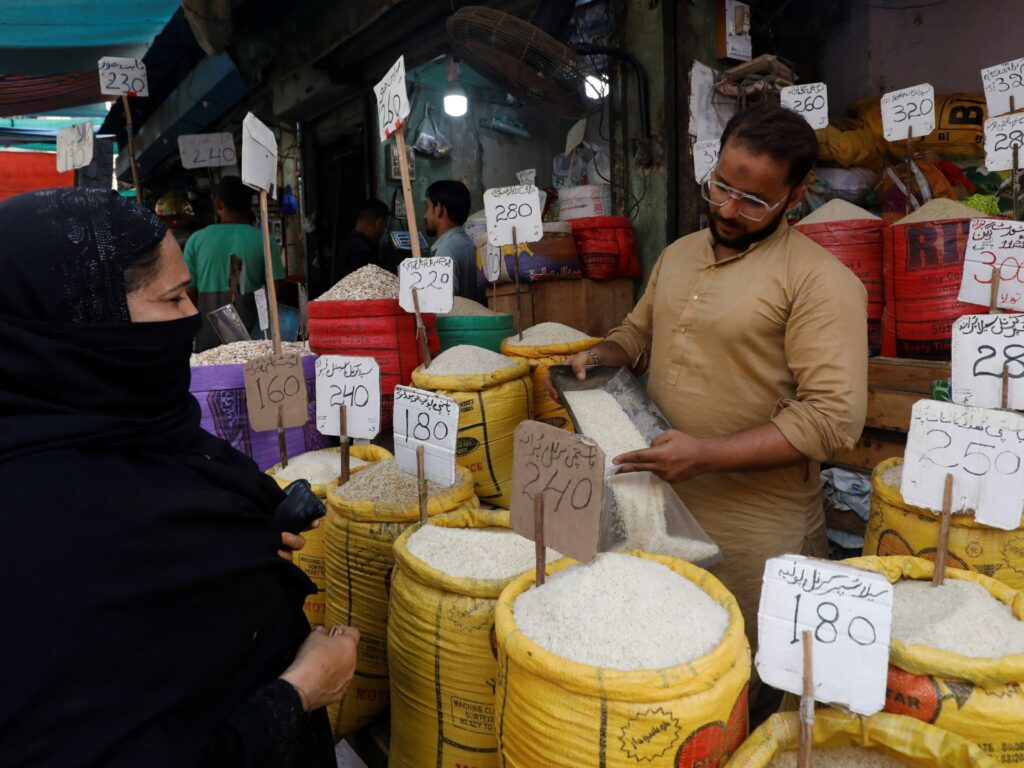
Islamabad, Pakistan – The global prices for different varieties of rice dropped on Monday after India and Pakistan made tit-for-tat moves to eliminate price caps and resume rice exports. On Saturday, the Indian government lifted a ban on the export of non-Basmati white rice more than a year after it blocked overseas sales, with a larger crop yield in 2024 bolstering state warehouse reserves for domestic needs. This decision followed Pakistan’s announcement a day earlier to withdraw the minimum export price (MEP) for all rice varieties, a measure that had been in place since 2023 and set at $1,300 per metric tonne for Basmati rice, and $550 for non-Basmati rice. Pakistan’s decision was influenced by India’s earlier removal of the MEP of $950 per metric tonne for Basmati rice in September. India and Pakistan are the only countries that produce Basmati rice, known as “scented pearl”, for its unique flavour and aroma. In a notification issued on September 28, Jam Kamal Khan, Pakistan’s commerce minister, said the government acted on a request from the Rice Exporters Association of Pakistan (REAP) to eliminate the MEP. Khan said the price floor was introduced last year in response to rising global rice prices and India’s export ban on non-Basmati rice, which was followed by New Delhi imposing some restrictions on the export of Basmati rice in August 2023. With those bans, Pakistan in effect became the only exporter of Basmati rice – allowing it to charge top dollar through the MEP. “However, with the recent decline in international rice prices and India lifting its export ban, the MEP has become an obstacle for Pakistani rice exporters to remain competitive in global markets,” the minister said. Khan projected that the move could boost Pakistan’s rice exports, potentially reaching $5bn in revenue this financial year. That will not be easy, however – because unlike last year, point out analysts, Pakistani rice will once again face off against its Indian competitor. And the Pakistani government’s decision to lift the minimum price on exports has upset many rice growers. The battle for the rice market India is the world’s largest rice exporter, accounting for nearly 40 percent of global rice trade and holding a 65 percent market share in the Basmati sector. Pakistan, the fourth-largest rice exporter after Thailand and Vietnam, retains the remaining 35 percent of the Basmati market. In the 2022-23 fiscal year, India earned more than $11bn from rice sales, with more than 4.5 million metric tonnes of Basmati rice alone generating more than $4.7bn. But in July 2023, high inflation, rising food prices, and concerns about potential production shortages caused by the El Niño weather phenomenon made the Indian government impose an export ban on non-Basmati rice, less than a year before national elections. This variety of rice is what India’s public distribution system relies on to fulfil domestic demand. A month later, India also imposed curbs on Basmati exports. An unintended beneficiary? Pakistani rice exports. As Indian rice became scarce, Pakistan emerged as one of the alternative suppliers for many countries, including those in the Gulf, Africa, and Southeast Asia. From July 2023 to June 2024, Pakistan experienced more than 60 percent growth in its rice export volume and a 78 percent increase in value, generating nearly $3.9bn from the export of almost six million metric tonnes of rice, including about 750,000 metric tonnes of Basmati rice. However, Chela Ram Kewlani, a former chairman of REAP, says now with Indian rice coming back to the international market in large volume, imposing a MEP would hurt Pakistani rice exports. “International market demand and supply is what regulates the rice price and now with India back in the business, our exports could have been impacted if we still had a MEP in place,” he told Al Jazeera. Haseeb Khan, senior vice chairperson of REAP, also praised the government’s decision to lift the price cap, stating it would help Pakistani exporters strengthen their presence in new markets. “We have found buyers in Indonesia and the Philippines, and this decision will help us provide rice to these markets, along with our existing buyers in different regions,” he told Al Jazeera. Khan, a Lahore-based exporter, acknowledged that Pakistani exporters will face competition from Indian peers, but said he was confident this challenge could be offset by sustained export levels. “We cannot compete with India in volume, but our bumper harvest means we expect to have larger quantities to export this year,” he added. Rice production in Pakistan has steadily increased over the years, except in 2022 when catastrophic floods damaged crops in Sindh province. Last fiscal year, Pakistan’s rice output rose to nearly 9.8 million metric tonnes, with experts forecasting an increase to more than 10 million metric tonnes this year, potentially leading to higher exports. Domestically, Pakistanis primarily consume wheat – more than 120 kg per person annually, among the highest in the world. Rice consumption is much lower at less than 20 kg per person annually. Most parts of India, by contrast, consume rice far more than wheat. Farmer fears While Pakistani exporters are celebrating the removal of the floor price, local farmers aren’t happy. Mehmood Nawaz Shah, president of the Sindh Abadgar Board, a farmers’ organisation in the southern province of Sindh, argued that the removal of the MEP would prove detrimental to the interests of growers. “Exporters will benefit, but for us as farmers, this could lead to lower prices and reduced revenues,” he told Al Jazeera. “Volume-wise, we cannot compete with India, so we should have maintained some price floor instead of removing it entirely. Now anyone can sell at any price, which could perhaps increase sales volume but drive prices down,” he added. Zahid Khwaja, a founder of REAP and a farmer from Lahore, echoed these concerns, noting the differing dynamics and strategies of the two countries. “India’s domestic issues led to their price floor and export ban, creating a market shortage. Now that they’ve lifted these restrictions, buyers will likely
Risk of long-feared regional war rises as Israel and Iran swap threats
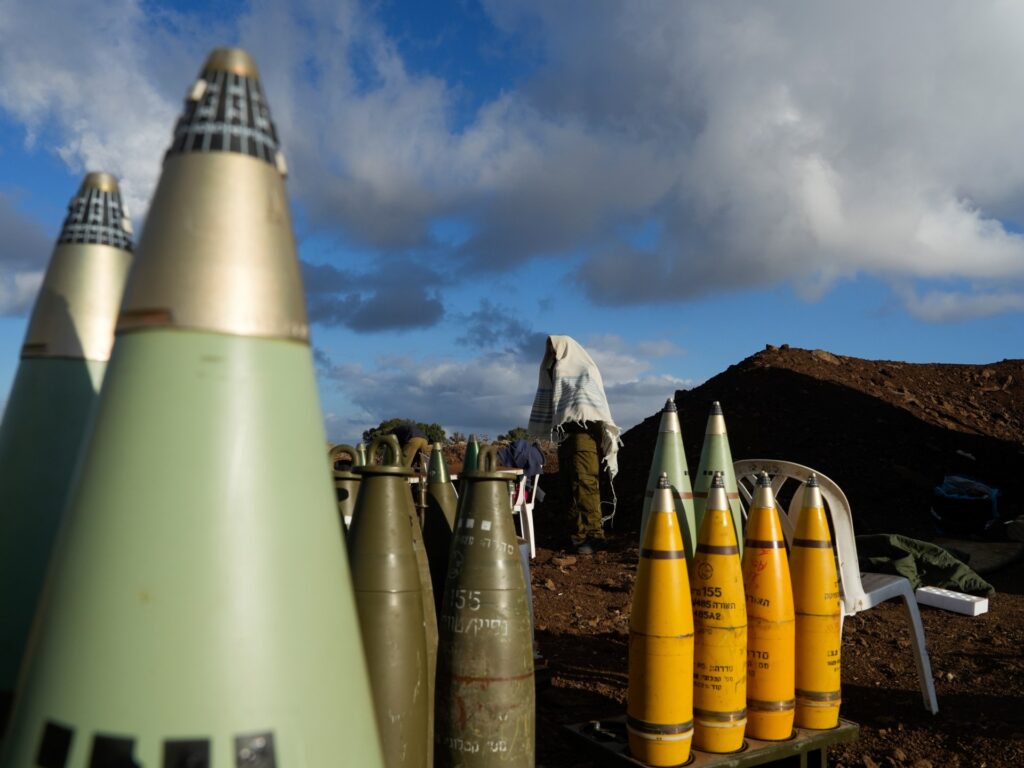
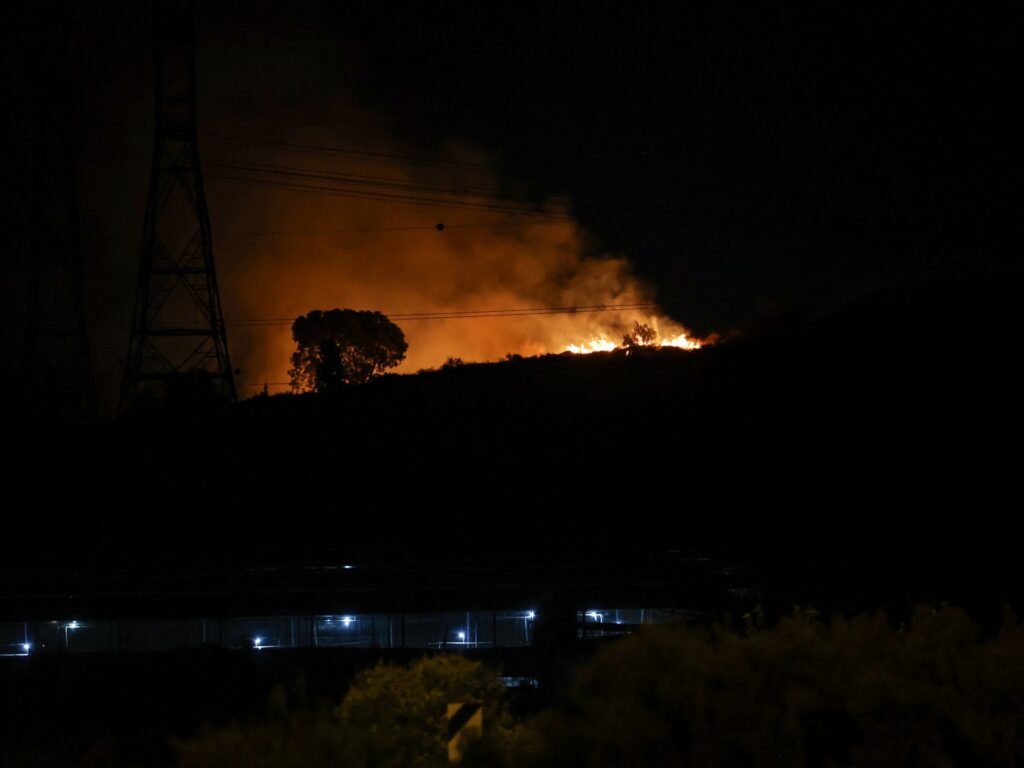
Israel and Iran have issued threats of retaliation against one another, pushing longstanding concerns over escalation towards a regional war to new heights. Israel, with backing from its United States ally, has promised to respond to the huge missile attack that Iran launched late on Tuesday. Iran has said any such retaliation will be met with an even “tougher” backlash. Meanwhile, Israel on Wednesday resumed its attacks on Lebanon and announced it is sending additional troops to carry out the ground offensive that it launched on Tuesday. Iran said the close to 200 missiles it fired at Israel were a response to the recent killings of Hamas, Hezbollah and Islamic Revolutionary Guard Corps leaders. Prime Minister Benjamin Netanyahu warned Tehran late on Tuesday that it had “made a big mistake”. Al Jazeera’s Hamdah Salhut, reporting from Amman, said the Israeli military and political echelon have insisted that the attack “simply will not go unanswered”. US President Joe Biden’s administration has warned Iran of “serious consequences”. US Republican House Speaker Mike Johnson said “the world needs America to return to a maximum pressure campaign against Iran”. The threats were met with defiance. Iran’s armed forces joint chief of staff General Mohammad Bagheri threatened to repeat its missile attack with “multiplied intensity” if Israel retaliates against Iran’s territory. Tehran’s foreign minister, Abbas Araghchi, called European counterparts overnight, telling them that if Israel “takes retaliatory action, our response will be even tougher”. On Wednesday, he said Tehran has warned the US against any intervention. The rising tension only raises longstanding fears that Israel’s war on Gaza will eventually lead to an all-out war across the region. Amid global calls for restraint and a step back from escalation, the United Nations Security Council has called an emergency meeting for Wednesday to address the spiralling conflict. However, the violence shows no sign of abating. In Lebanon, the Iran-backed Hezbollah armed group said on Wednesday that its fighters have directly clashed with Israeli forces for the first time since 2006. Reporting that Israeli soldiers had tried to infiltrate the country near the village of Odaisseh, Hezbollah claimed to have “inflicted losses on them and forced them to retreat”. Reporting from Hasbaiyyah in Lebanon, Al Jazeera’s Imran Khan said this was the first report of face-to-face fighting since Israel announced its ongoing air campaign against Hezbollah would now be accompanied by ground operations. “When this ground invasion was announced by Israel, there was a long and intense artillery shelling concentrated on three areas – Odaisseh was one of them. It is one of the chokepoints where Israeli soldiers are going to try to come into,” Khan said. Air raids persist Israeli air raids, which have been battering southern Lebanon and Beirut, continued to pummel the capital on Wednesday. Beirut’s southern suburbs were hit, with the Israeli military saying they had targeted Hezbollah. Large plumes of smoke were seen rising. Israel issued new evacuation orders for the area, which has largely emptied after days of heavy attacks. Lebanon’s Disaster Risk Management Unit on Tuesday announced that 1,873 people have been killed and 9,134 wounded as a result of Israeli attacks in the country since October 8 last year, when Hezbollah began launching rockets at Israel due to its war in Gaza. “The number of displaced persons from areas exposed to Israeli aggression has exceeded one million, including 155,600 registered in shelters,” the report said. Adblock test (Why?)
Claudia Sheinbaum sworn in as Mexico’s first female president

Sheinbaum begins six year term, taking over from Morena party ally Andres Manuel Lopez Obrador. Claudia Sheinbaum has been sworn in as Mexico’s first female president. Sheinbaum took over from outgoing president – and close Morena party ally – Andres Manuel Lopez Obrador at an inauguration ceremony in the country’s Congress on Tuesday. The 62-year-old climate scientist and former mayor of Mexico City is set to serve a six-year term, ending in 2030. Sheinbaum took the oath of office in front of parliamentarians, as her supporters chanted “President! President!” and “Long live Mexico!” “Now is the time of transformation, now is the time of women,” Sheinbaum said. She enters office with her party holding supermajority control in the legislature’s lower house, and nearly the same in the Senate, and immediately sought to reassure investors, saying that investments will be safe in Mexico. Sheinbaum will need to contend with some last-minute moves by Lopez Obrador, namely a controversial judicial overhaul that will see federal judges – including those on the Supreme Court – elected by popular vote. The constitutional change has roiled both advocates of judicial independence and investors. The incoming president will also be navigating a US election on November 5 that could shift relations with Mexico’s top trading partner. Later in November, she will deliver her government’s first budget, which will likely give clues as to whether Sheinbaum can make good on commitments to reduce the country’s widening fiscal deficit while maintaining popular welfare spending and costly crime-fighting initiatives. That task comes at a time when Mexico’s economy, the second-largest in Latin America, is forecasted to have only modest growth. Former President Andres Manuel Lopez Obrador and President Claudia Sheinbaum embrace on the day of her swearing-in ceremony at the Congress, in Mexico City, Mexico, October 1, 2024 [Raquel Cunha/Reuters] Historic presidency Sheinbaum’s inauguration is the culmination of a four-decade rise in Mexican politics, punctuated by her history-making election as the first woman to lead Mexico City. Sheinbaum, the daughter of academic activists, has also leaned into the history-making nature of her presidency. In a social media post on Monday, she unveiled a logo showing a young woman in profile hoisting a Mexican flag, her hair pulled back into a ponytail. The hairstyle has become a sort of signature for Sheinbaum. “A young Mexican woman will be the emblem of Mexico’s government,” Sheinbaum wrote. Mexico remains one of the most conservative countries in Latin America, with its 65 presidents since independence from Spain all men. As Mexico City mayor, Sheinbaum built a reputation for a data-driven approach to leadership, winning praise for reducing the city’s murder rate by half. Her policies sought to boost security spending on an expanded police force with higher salaries. She has pledged to replicate the approach across Mexico, which continues to be plagued by high rates of crime and the outsized influence of powerful drug cartels. Critics have questioned how realistic those pledges will prove to be. At the same time, Sheinbaum has promised to continue policies of generous social spending pensions and youth scholarships championed by her populist predecessor Lopez Obrador. Having studied energy engineering, and later being tapped for the UN’s Intergovernmental Panel on Climate Change, Sheinbaum has sought to strike a more careful balance on environmental initiatives. She has said she will protect the industrial dominance of Mexico’s state-owned oil and power companies, while expressing interest in shifting towards renewable energy projects. Sheinbaum shared a Nobel Peace Prize with former US Vice President Al Gore in 2007 for her climate work. Prior to that, she had been Lopez Obrador’s environmental chief when he served as the mayor of Mexico City. She had previously served as the chief spokesperson for Lopez Orador’s failed 2006 campaign. Adblock test (Why?)
Iran fires dozens of missiles at Israel
NewsFeed Videos show dozens of missiles flying over Tel Aviv, some of them landing. The Israeli military says the missiles were fired by Iran and that a “large number” had been intercepted. Read more Iran fires dozens of missiles at Israel Published On 1 Oct 20241 Oct 2024 Adblock test (Why?)
US says helped Israel thwart Iranian attack, reasserts ‘ironclad’ support
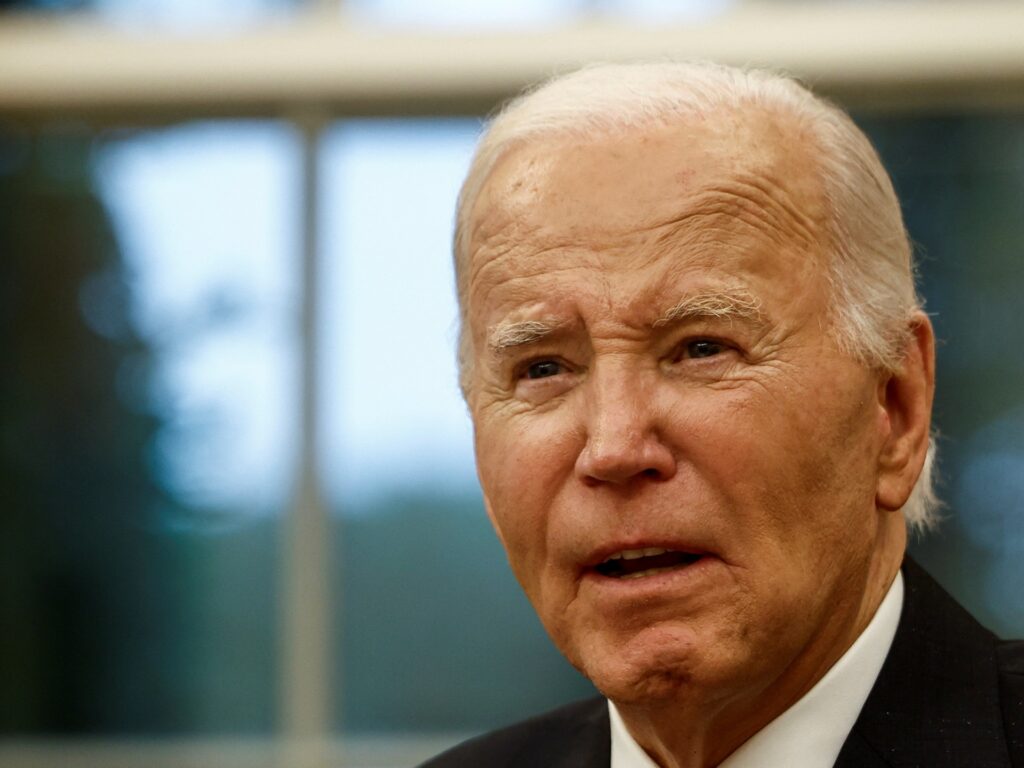
The United States has said it helped Israel thwart an Iranian ballistic missile attack, with a senior White House official telling reporters that the US military “coordinated closely” with its Israeli counterparts to shoot down the projectiles. US National Security Advisor Jake Sullivan said on Tuesday that “US naval destroyers joined Israeli air defence units in firing interceptors to shoot down in-bound missiles”. “In short, based on what we know at this point, this attack appears to have been defeated and ineffective,” Sullivan said during a news briefing at the White House. “This was first and foremost the result of the professionalism of the [Israeli military]. But in no small part because of the skilled work of the US military and meticulous joint planning in anticipation of the attack.” Asked what Washington’s view was on possible Israeli retaliation, Sullivan said discussions were continuing between top US and Israeli military and political leaders. “We want to have some deep consultations with the Israelis,” he said. Sullivan added later: “We are proud of the actions that we’ve taken alongside Israel to protect and defend Israel. We have made clear that there will be consequences — severe consequences — for this attack, and we will work with Israel to make that the case.” Analysts have been warning for months that the failure of US President Joe Biden’s administration to pressure Israeli Prime Minister Benjamin Netanyahu’s government to agree to a ceasefire in the Gaza Strip would push the Middle East into a regional war. “A regional war becomes inevitable when the United States continues to fund and aid Netanyahu and all of his war crimes, his genocide, his attacks on all of his neighbours,” said Raed Jarrar, advocacy director at DAWN, a think tank in Washington, DC. “This will not stop without the United States putting its foot down and saying, ‘We will not send more weapons to Israel. We will not fund and aid Israeli crimes,’” Jarrar told Al Jazeera. Iran’s Islamic Revolutionary Guard Corps said it fired missiles at Israel on Tuesday evening in retaliation for the killings of people in Gaza and Lebanon, as well as the recent assassinations of Hamas, Hezbollah and IRGC leaders. The firings came just hours after the Israeli army said it had launched “limited” ground incursions into southern Lebanon. Hezbollah denied that Israeli forces had entered Lebanese territory. The Israeli military, which has been trading fire with Hezbollah across the Israel-Lebanon border for months, recently escalated its assault on the country. Israeli strikes on the southern suburbs of Beirut and other areas have killed and injured thousands of people over the past weeks. Amid the surge in attacks and regional tensions, the Biden administration has repeatedly said it favours diplomacy and wants to see a de-escalation. But critics have noted that the US government continues to offer Israel unwavering military and diplomatic support. Washington provides Israel with at least $3.8bn in military aid annually, and Biden has greenlit $14bn in additional assistance to the US ally since the Gaza war began in October of last year. Earlier on Tuesday, the White House said that Biden had “directed the US military to aid Israel’s defense against Iranian attacks and shoot down missiles that are targeting Israel”. The Pentagon also said in a statement that Secretary of Defense Lloyd Austin and his Israeli counterpart Yoav Gallant had discussed “the severe consequences for Iran in the event Iran chooses to launch a direct military attack against Israel”. The statement did not elaborate on what those consequences would be. This morning, @VP and I convened our national security team to discuss Iranian plans to launch an imminent missile attack against Israel. We discussed how the United States is prepared to help Israel defend against these attacks, and protect American personnel in the region. — President Biden (@POTUS) October 1, 2024 A spokesman for the US State Department said on Tuesday afternoon that the Biden administration’s support for Israel’s security remains “ironclad”. “We will continue to stand with the people of Israel at this critical moment,” Matthew Miller told reporters. But according to Jarrar, the analyst at DAWN, the Biden administration’s “blank cheque” policy to Israel is what led to the current escalation. “The Biden administration is dysfunctional and there is no one behind the wheel. There is no leadership whatsoever,” he said. “This administration is completely absent. They give Israel 100 percent of what they want, from weapons and money, and they can exercise 0 percent pressure on Israel. Netanyahu gets all that he wants, but he doesn’t have to pay a price for anything. “What we’ve seen today is a result of this failed US leadership in the Middle East and North Africa. The region has officially entered a full-scale regional war.” Adblock test (Why?)
India’s batting blitz yields stunning win over Bangladesh in rain-hit Test

India bowled out Bangladesh for 146 and then raced to 98-3 in 17.2 overs in a match that lost more than two days to rain. India won a race against time to pull off a remarkable seven-wicket win over Bangladesh in the rain-hit second Test match. Yashasvi Jaiswal smashed 51 as India, needing 95 for victory, reached 98-3 in just 104 balls in the second session on the final day at Kanpur. A draw loomed large over the match after two and a half days were lost to bad weather with only 35 overs played in the first three days at the Green Park Stadium. Jaiswal reached his second fifty of the match in 43 balls including eight fours and one six before falling to Taijul Islam, ending a 58-run stand with Virat Kohli. Former captain Kohli hit 29 and was there at the end as Rishabh Pant hit the winning boundary. Bangladesh spinner Mehidy Hasan Miraz had earlier removed Rohit Sharma, for eight, and Shubman Gill, for six. India rode on Jaiswal’s 72-run blitz in the first innings to force a result in a match which saw no play on Saturday and Sunday because of rain and a wet outfield. India’s captain Rohit said his team wanted to force a result despite the loss of time. “We had to think a lot to keep the game moving forward,” Rohit said after the match. Bangladesh resumed their second innings on 26-2 but the batting fell apart during the first session, with opener Shadman Islam top-scoring on 50. The hosts bundled out Bangladesh for 146 before lunch on the final day. Off-spinner Ravichandran Ashwin broke through in the third over of the day when he had first-innings centurion Mominul Haque caught at leg slip by KL Rahul for two. Left-arm spinner Ravindra Jadeja, who had taken his 300th Test wicket on Monday, struck in his first over of the day when he bowled Najmul, who had made 19. Shadman reached his fifty off 97 balls but fell almost immediately after to fast bowler Akash Deep. Jadeja also picked up the wicket of veteran all-rounder Shakib Al Hasan, caught and bowled without scoring, in what could be the former captain’s last Test for Bangladesh. India’s bowlers, especially Jasprit Bumrah and spin duo Ravichandran Ashwin and Ravindra Jadeja, cleaned up the Bangladesh batting for 146 on the final day [Money Sharma/AFP] “We didn’t bat well,” admitted Bangladesh captain Najmul Hossain Shanto. “If you look at all our batters, they played 30 to 40 balls and then got out. It’s important for one batsman to get big runs.” Even after India bowled out Bangladesh for 233 on day four, few expected a result until India came out to bat for the first time. Opener Rohit himself led from the front, whacking the first two balls he faced for sixes and India went on to eclipse Bangladesh’s total in 28 overs scoring at a rate unprecedented in test cricket. By the end of day four, India declared their innings on 285-9 and even removed both the Bangladesh openers. “When we came on day four, we wanted to get them out as early as possible and see what we can do with the bat,” Rohit told reporters. “It was a risk that we were willing to take … when you are trying to bat like that, it’s very easy to get bundled out for a low score as well. Even if we got all out for 150, we wanted to give ourselves a chance to get a result.” Earlier on Monday, it was breathtaking batting as India reached 50 in three overs, 100 in 10.1 overs, and 200 in 24.2 overs – the fastest ever by a Test team. The series victory extends India’s lead at the top of the World Test Championship rankings ahead of Australia in second. Adblock test (Why?)
Israeli bombardment kills at least 31 in Gaza

Israeli air strikes have killed at least 31 people in Gaza, local medics reported. The Israeli military said on Tuesday that it had carried out a strike targeting a Hamas command centre. However, it made no immediate comment on two strikes on two houses that Palestinian health officials said killed at least 13 people, including women and children, in Nuseirat. The other strike, on a school sheltering displaced Palestinian families in the Tuffah neighbourhood of Gaza City, killed at least seven people, medics said. The Israeli military said in a statement the air strike targeted Hamas fighters operating from a command centre embedded in a compound that had previously served as Shujayea School. It accused Hamas of using the civilian population and facilities for military purposes, which Hamas denies. Later on Tuesday, two separate Israeli attacks killed five Palestinians in Rafah in the southern Gaza Strip and in the Zeitoun suburb of Gaza City, medics said. In Khan Younis, in the south of the enclave, six Palestinians were killed in an Israeli air strike on a tent housing displaced people, medics said. The armed wings of Hamas, the Islamic Jihad, and other smaller factions said in separate statements that their fighters attacked Israeli forces operating in several areas of Gaza with antitank rockets, mortar fire and explosive devices. The renewed surge in strikes on Gaza came as Israel launched a ground operation in Lebanon, saying its paratroopers and commandos were engaged in intense fighting with Iran-backed Hezbollah. The conflict follows devastating Israeli air strikes against Hezbollah’s leadership. Some Palestinians said they feared that Israel’s shift in focus to Lebanon could prolong the conflict in Gaza, which marks its first anniversary next week. “The eyes of the world now are on Lebanon while the occupation continues its killing in Gaza. We are afraid the war is going to go on for more months at least,” said Samir Mohammed, 46, a father of five from Gaza City. “It is all unclear now as Israel unleashes its force undeterred in Gaza, Yemen, Syria, Lebanon, and God knows where else in the future.” Adblock test (Why?)
Rutte declares Ukraine ‘top priority’ as he takes over as NATO head

NATO must ensure that Ukraine prevails in its war against Russia, the new head of the transatlantic military alliance said after he took charge. Mark Rutte branded Ukraine his “top priority” as he formally became NATO secretary-general at a ceremony in Brussels on Tuesday. The former Dutch prime minister took over the job from Jens Stoltenberg more than three months after the alliance’s 32 members appointed him. Stating that he “cannot wait to get to work”, Rutte told journalists: “We have to make sure that Ukraine prevails as a sovereign, independent, democratic nation.” He also noted that, amid the growing war between Israel and Hezbollah, monitoring the situation in Lebanon is also at the top of his list. The new NATO chief also asserted that he is not worried about the upcoming presidential election in the United States as he could work with either candidate. It has been suggested that the Republican candidate, former US President Donald Trump, could cut support to Ukraine or weaken security guarantees for some NATO members should he return to the White House after the November elections. Rutte noted Trump’s continued push for NATO allies to spend more on defence, but said he was not worried as he had worked with the US presidential hopeful before. “He was also pushing us on China, and I think he was right there,” he added. The NATO chief also noted that ramping up Western defence industry production and deepening ties with partners in the Asia Pacific as important tasks. “Mark has the perfect background to become a great secretary-general,” a visibly emotional Stoltenberg said as he ended a decade in office. “He has served as prime minister for 14 years and led four different coalition governments … therefore he knows how to make compromises, create consensus, and these are skills which are very much valued here at NATO,” he said. Rutte will likely need to call on such skills to navigate uncertainty over future Western support for Ukraine. Aside from the ambiguity around future US support, the European Union’s policies have been weighted down by opposition from the likes of Hungary. No change Meanwhile, Russian forces have been advancing on the battlefield more than two-and-a-half years after the Kremlin’s all-out invasion. On Tuesday morning, seven people, including three women, were killed when Russian troops shelled the southern city of Kherson, according to Ukraine’s General Prosecutor’s Office. The attack came in an area near a central bus stop and a central market at about 9am (06:00 GMT), the office said in a statement. Governor Oleksandr Prokudin published a video showing the blurred corpses in civilian clothes lying near a market stall with tomatoes and other vegetables. Russia has denied targeting civilians but has regularly struck towns and cities behind the front line. Kyiv has urged its allies to raise military aid to help it repel such attacks. NATO, whose members have supplied 99 percent of all foreign weaponry to Ukraine, agreed at a summit in July to play a bigger role in delivering arms to Kyiv and Rutte would be key in stewarding that support. Ukraine’s President Volodymyr Zelenskyy said on social media he wants to work “productively” with Rutte towards bringing his country into the military alliance – an idea that Russia has declared a red line. I congratulate Mark Rutte on taking up his duties as NATO Secretary General. I wish him every success in this new role and look forward to working productively together to strengthen Euro-Atlantic security and our partnership with the Alliance, as Ukraine continues on its path… — Volodymyr Zelenskyy / Володимир Зеленський (@ZelenskyyUa) October 1, 2024 “I wish him every success in this new role and look forward to working productively together to strengthen Euro-Atlantic security and our partnership with the alliance, as Ukraine continues on its path towards full-fledged NATO membership,” Zelenskyy wrote on X. A spokesman for the Kremlin said Russia expects no change of policy from the new NATO chief. Adblock test (Why?)