

Israel’s ‘Plan B’ for the Gaza Strip
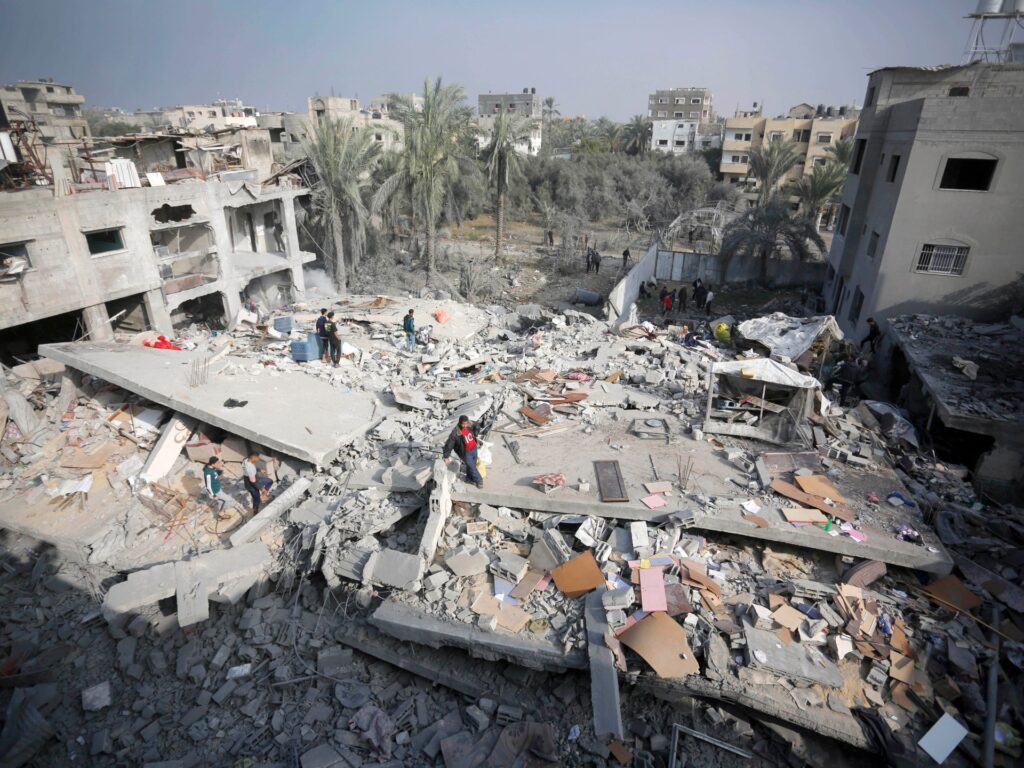
It has been more than two months now since the Israeli authorities launched a war on Gaza in response to Hamas’s attack on its southern territories, which resulted in the killing of about 1,200 people, mostly Israeli civilians. Relentless Israeli bombardment and ground attacks have flattened entire neighbourhoods and killed close to 20,000 Palestinians, more than a third of them children. The declared goal of the Israeli onslaught has been the “eradication” of Hamas from the enclave, but the viability of that being achieved has been increasingly questioned by foreign officials and analysts. Instead, the large-scale destruction wrought on Gaza as well as internal communications point to another aim the Israeli authorities may be pursuing. A document produced by Israel’s Ministry of Intelligence leaked to the Israeli press in late October outlined the forcible and permanent transfer of Gaza’s 2.3 million Palestinian residents to Egypt’s Sinai Peninsula. The document was reportedly created for an organisation called The Unit for Settlement – Gaza Strip, which seeks to recolonise the Gaza Strip 18 years after Israeli troops and settlers withdrew from it. Yet, we are not living in 1948. Today, it is much more difficult to wipe out cities and villages as was done 75 years ago during the expulsion of a large percentage of the Palestinian population from its homeland by Israeli militias, when, among other things, the reach of the media was far less extensive than it is now. The Israeli authorities have therefore turned to what we might term “the plan B”: that is, to make the Gaza Strip unliveable, by dropping tens of thousands of tonnes of bombs. The new strategy is implemented by targeting civilian infrastructure that supports life in the strip, including schools, universities, hospitals, bakeries, shops, farmland and greenhouses, water stations, sewage systems, power stations, solar panels, and generators. This is carried out in parallel with a full siege on Gaza, whereby food, water, electricity and medicine have been cut off. The Israeli army lets in a few trucks a day, if at all, which humanitarian organisations have said does not meet at all the needs of the Palestinian population, 1.8 million of whom have been internally displaced. This has resulted in what has interchangeably been called humanitarian “disaster”, “catastrophe”, “graveyard” and “hell”. The Palestinians of Gaza have been pushed to the brink of survival, while widespread epidemics are perceived by some as a desired goal. As former head of the Israeli National Security Council Giora Eiland has claimed: “Severe epidemics in the south of the Gaza Strip will bring victory closer.” Once the Gaza Strip is rendered unliveable and the population has no choice but to leave voluntarily, the next step is to ensure that neighbouring countries, Egypt first and foremost, are ready to “absorb them”. This has been made clear by several prominent figures in Israel, including former deputy director of its national intelligence agency Mossad, Ram Ben Barak. In a tweet in Hebrew, Ben Barak expressed the need “to build a coalition of countries and international funding that will allow Gazans who want to leave to be absorbed [in those countries] through the acquisition of a citizenship”. Back on November 12, 1914, US President Woodrow Wilson wrote to racial equality advocate William Monroe Trotter that “Segregation is not humiliating but a benefit, and ought to be so regarded by you gentleman”. More than 100 years later, Israel’s plan – which has less to do with segregation and more with ethnic cleansing – is presented in similar terms. The expulsion, in Ben Barak’s words, is an “opportunity [for Gaza residents] to escape the reign of fear of Hamas, which uses them as human shields”. The irony, of course, is that Palestinian civilians are often used as “human shields” by the Israeli army itself. But beyond that, along with the emphasis on “voluntary” departure in this “benevolent approach”, the forced resettlement is also made more palatable for the international community with claims that the Palestinians are really just Arabs, and therefore can easily relocate to other Arab countries. Israel has long called the 156,000 Palestinians (and their descendants) who managed to remain within its borders after 1948 “Arabs”, denying them their Palestinian identity. As Prime Minister Benjamin Netanyahu once claimed, “The Arab citizens [of Israel] have 22 nation states. They don’t need another one.” It is important here to stress that referring to the local populations, from the Strait of Gibraltar to the Strait of Hormuz, as “the Arabs” would be like calling people from South Africa, the United States, Canada, Australia, New Zealand, Ireland and Britain, regardless of their origin, “the English”. They share the language but show very clear peculiar histories, traditions and identities. More than 1,000 years ago, Jerusalemite geographer al-Muqaddasi (946–1000) explained in clear terms that he perceived himself as a Palestinian: “I mentioned to them [workers in Shiraz] about the construction in Palestine and I discussed with them these matters. The master stonecutter asked me: Are you Egyptian? I replied: No, I am Palestinian.” Centuries later, on September 3, 1921, an editorial published in the Arabic-language newspaper Falastin pointed out: “We are Palestinians first, and Arabs second.” These are just two examples, among many others, of written sources where “Palestinian” is clearly used as an identity marker. That Palestinians are not simply “Arabs” appears further evident if we look at the years in which the West Bank was occupied (1948-1967) by Jordan: an occupation which was opposed by the local population at the time, most of all by Fatah fighters, to the point that King Hussein felt obliged to impose martial law. In Gaza, which was under Egyptian control during the same period, Palestinians faced harsh repression, were denied citizenship, and had very little control over local administration. Most of them lived in very poor conditions, largely in refugee camps, having been expelled by Israeli militias from villages around the Gaza Strip, including Huj, Najd, Abu Sitta, Majdal, al-Jura, Yibna, and Bayt Daras. These last three villages, in particular, are the ones from where the
Israeli real estate firm pushes settlement building in Gaza
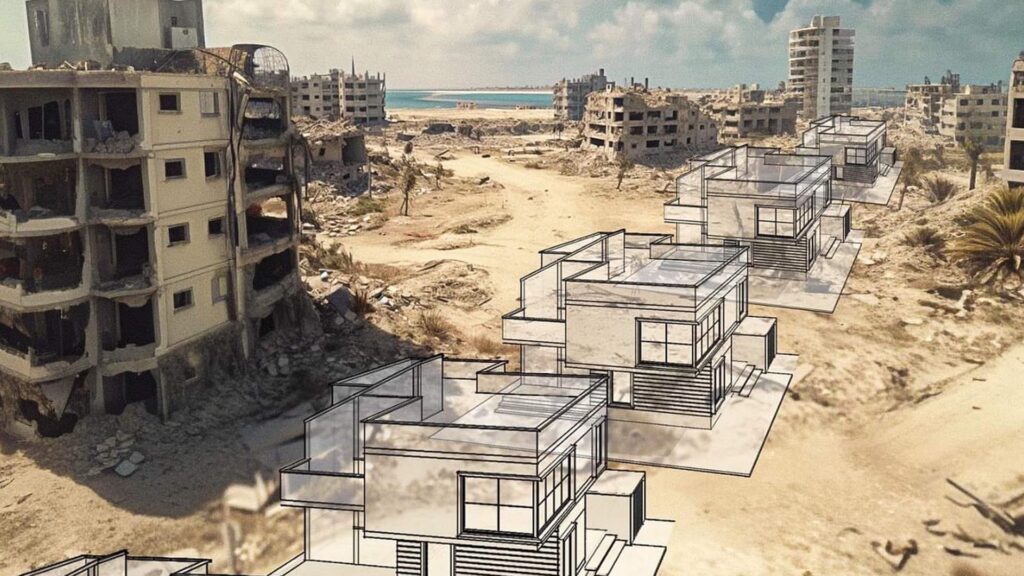
NewsFeed An Israeli real estate firm is pushing to build settlements for Israelis in Gaza, in areas where the army’s bombardment has left Palestinian homes in ruins. Published On 19 Dec 202319 Dec 2023 Adblock test (Why?)
China shaken by the nation’s deadliest quake in a decade
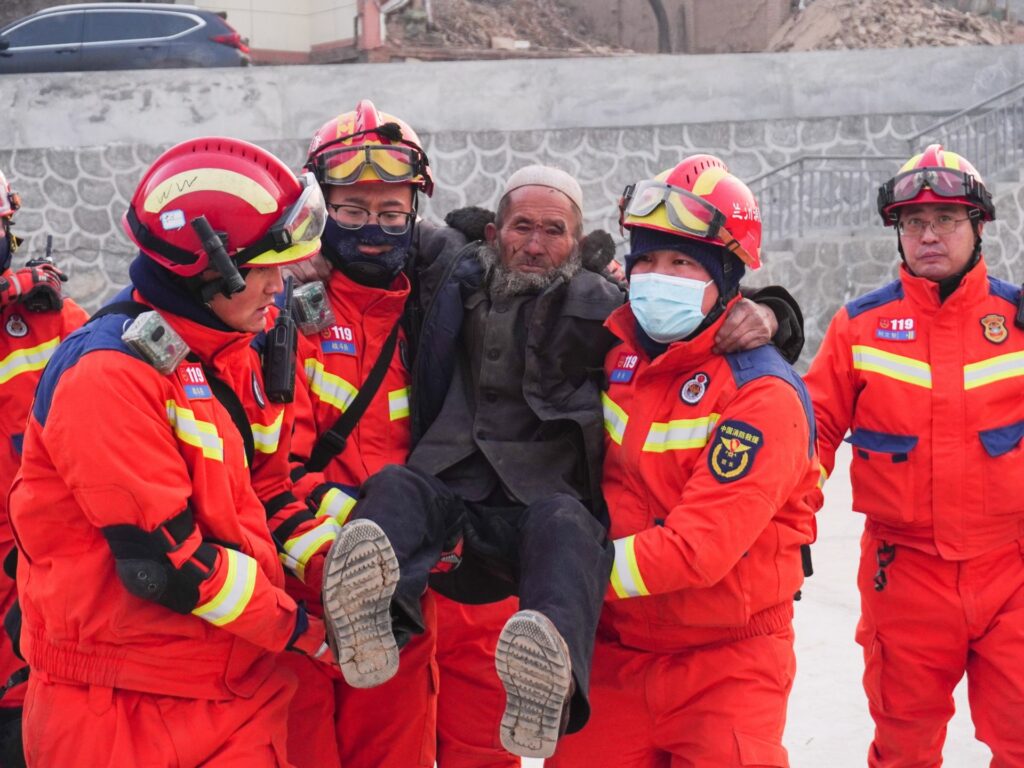
A powerful earthquake killed at least 118 people in a cold and mountainous region in northwestern China, provincial officials said on Tuesday, in the nation’s deadliest quake in 10 years. The magnitude 6.2 quake struck in Gansu’s Jishishan county, about 5km (3 miles) from the provincial boundary with Qinghai. The epicentre was about 1,300km (800 miles) southwest of Beijing, the Chinese capital. There were nine aftershocks by 10am local time, about 10 hours after the initial quake, the strongest one registering a magnitude of 4.1, a Gansu official said. Nearly 4,000 firefighters, soldiers and police officers were deployed or on standby as part of the rescue effort. Emergency authorities in Gansu province also issued an appeal for 300 additional workers to comb through collapsed buildings and for other search and rescue operations. In Qinghai, officials reported 20 people missing in a landslide, according to Chinese state-owned media. The earthquake left more than 500 people injured, severely damaged houses and roads, and knocked out power and communication lines, reports said. It struck just before midnight on Monday near the boundary between the two provinces at a relatively shallow depth of 10km (6 miles), the China Earthquake Networks Center said. China said the quake had a magnitude of 6.2, while the United States Geological Survey reported the magnitude was 5.9, and the European Mediterranean Seismological Centre said it was a magnitude 6.1 earthquake. The death toll is the highest since an April 2013 earthquake killed 196 people in southwest China’s Sichuan province. A 7.9 magnitude earthquake in 2008 was the country’s deadliest in recent years, which killed nearly 90,000 people in Sichuan. Adblock test (Why?)
Five people feared dead in suspected ADF attack in Uganda
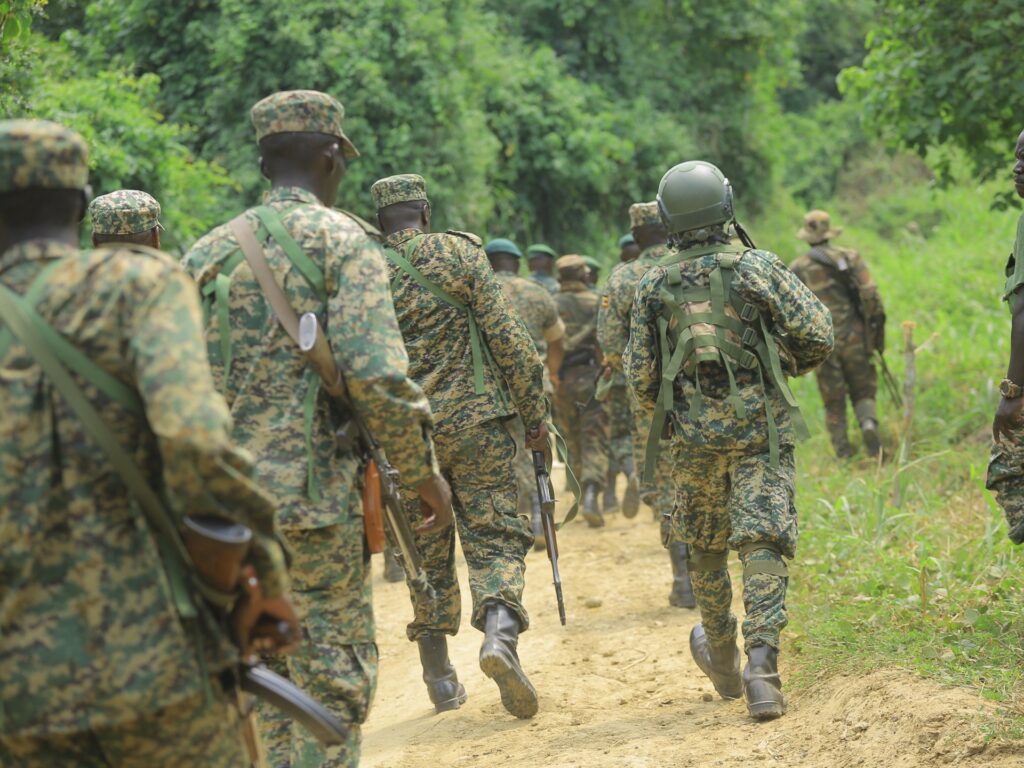
The ADF has carried out multiple attacks in Uganda and neighbouring Democratic Republic of the Congo in the last decade. At least five people were killed, including a local leader, after suspected rebels from an armed group allied to ISIL (ISIS) attacked an area in western Uganda late on Monday, the area legislator told Reuters on Tuesday. On Monday, the Allied Democratic Forces (ADF) attacked Kyabandara parish in Kamwenge district in Western Uganda at about 10pm (19:00 GMT), the lawmaker, Cuthbert Abigaba, said. The attackers then killed a local councillor whom they found in a small roadside restaurant she operated alongside four of her clients who had just sat down for a meal, Abigaba said. “After the killing, they burnt the restaurant and also proceeded and looted items from nearby shops before fleeing,” he said. The deputy spokesperson for Uganda’s military, Deo Akiiki, confirmed the attack and said they would give details later. The ADF was formed as an anti-Kampala rebel group in the mid-1990s and initially battled the government of President Yoweri Museveni from bases in the Rwenzori mountains. After its formation, the group was eventually routed by the Ugandan army, with remnants fleeing into eastern Democratic Republic of the Congo where they have since orchestrated deadly attacks with thousands of casualties in the last decade across both countries. The ADF in 2019 pledged allegiance to ISIL, which has previously claimed responsibility for some of the ADF’s attacks. Uganda launched a ground and air campaign against the ADF in the DR Congo in 2021. Museveni has said the operation has succeeded in killing a large number of rebels, including some commanders. The group has continued to carry out attacks including on a school in Western Uganda in June in which dozens died and another that killed two foreign tourists and their Ugandan tour guide. Adblock test (Why?)
Japanese prosecutors raid ruling party offices amid slush fund scandal
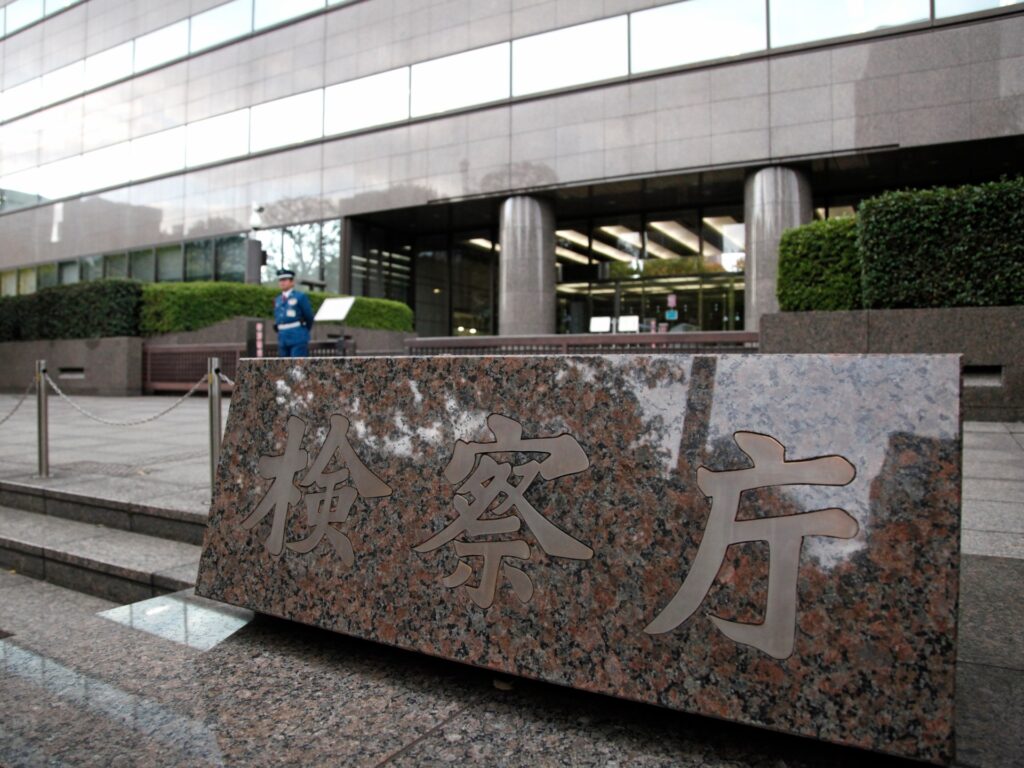
Prosecutors allege Liberal Democratic Party factions failed to report fundraising proceeds. Prosecutors have raided the offices of Japan’s governing Liberal Democratic Party amid a political funding scandal that has sent Prime Minister Fumio Kishida’s approval ratings to some of the lowest levels in the country’s post-war history. Investigators from the Tokyo District Public Prosecutors’ Office searched the offices of two LPD factions associated with former Prime Minister Shinzo Abe and former secretary-general Toshihiro Nikai, local media reported on Tuesday. Prosecutors are investigating allegations that party officials failed to declare a combined 600 million yen ($4.18m) in fundraising proceeds, directing money to faction-run slush funds. LDP secretary-general Toshimitsu Motegi said the raids were “extremely regrettable” and the party would take “necessary measures while observing the fate of the investigation”. The scandal has fuelled public discontent with the LPD and Kishida, who last week sacked four cabinet members implicated in the allegations, including Chief Cabinet Secretary Hirokazu Matsuno, in an effort to stem the fallout. “The party must work to restore the trust of the people with a strong sense of urgency,” Kishida told reporters on Tuesday. “I’ll double down my efforts as the leader of the LDP to restore trust,” Kishida told a news conference last week. Kishida’s cabinet reshuffle, however, has done little to boost his flagging approval. In an opinion poll published by the Mainichi newspaper on Sunday, 79 of respondents said they disapproved of the government – the highest figure since the poll began in 1947. Other polls by the Asahi, Yomiuri and Nikkei newspapers over the weekend put Kishida’s approval rating at about 20 percent, the lowest of any premier since the LDP returned to power in 2012 following a brief interruption in its decades-long ruling streak. Kishida, who has already reshuffled his cabinet twice, does not need to hold an election until October 2025, and Japan’s weak opposition parties have historically struggled to compete with the LDP. Adblock test (Why?)
Iceland volcano erupts, spewing lava, smoke after weeks of earthquakes
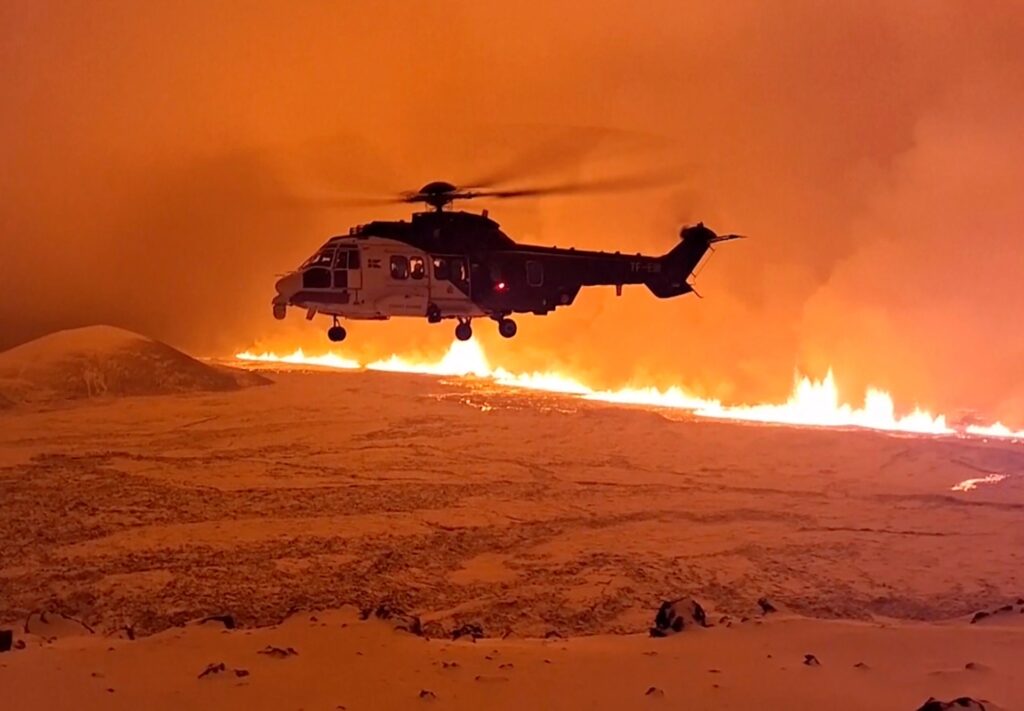
A volcano in southwest Iceland has erupted, spewing lava and smoke across a wide area weeks after nearly 4,000 residents of a nearby town were evacuated amid intense seismic activity. The eruption started at about 10:17pm (22:17 GMT) on Monday on Iceland’s Reykjanes peninsula, turning the sky orange and prompting the country’s civil defence to be on high alert. It appeared to have taken place about 4km (2.4 miles) from the town of Grindavik, the Icelandic Meteorological Office said. Livestreamed footage of the eruption showed glowing orange jets of lava spewing from a gash in the ground, surrounded by billowing clouds of red smoke. Iceland has been on high alert for a potential eruption after thousands of small earthquakes rattled the region about 40km (25 miles) south of the capital, Reykjavik, prompting the evacuation in November of the fishing town of Grindavik and the closure of the nearby Blue Lagoon geothermal spa. Iceland sits above a volcanic hot spot in the North Atlantic and averages an eruption every four to five years. The most disruptive in recent times was the 2010 eruption of the Eyjafjallajokull volcano, which spewed huge clouds of ash into the atmosphere and grounded flights across Europe for days because of fears that the ash could damage aeroplane engines. Scientists say a new eruption would likely produce lava but not an ash cloud. A coast guard helicopter will attempt to confirm the exact location – and size – of the eruption, and will also measure gas emissions. Grindavik sits on the Reykjanes peninsula and is close to Keflavik airport, Iceland’s main facility for international flights. Adblock test (Why?)
US announces 10-nation force to counter Houthi attacks in Red Sea
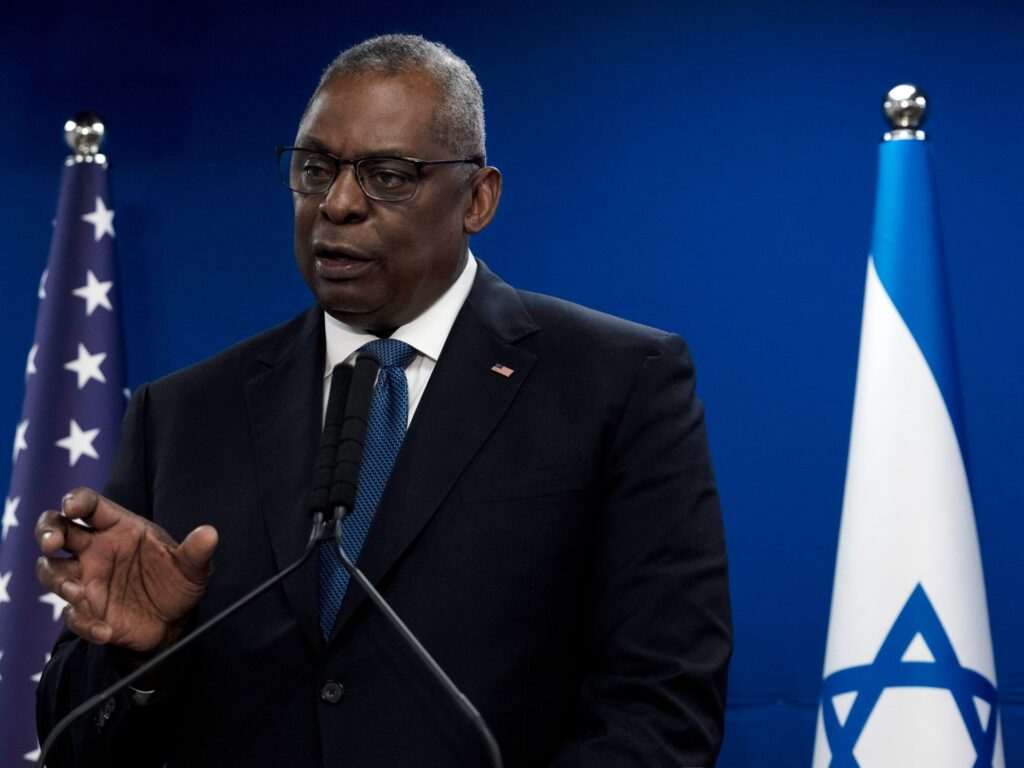
US Defense Secretary Lloyd Austin says coalition will include Bahrain, Canada, France, Italy, UK and other countries. The United States has announced the launch of a multinational force to protect trade in the Red Sea after a series of attacks by Yemen’s Houthi rebels forced several shipping companies to suspend operations. US Defense Secretary Lloyd Austin said on Monday that Bahrain, Canada, France, Italy, the Seychelles and the United Kingdom would be among the countries joining the 10-nation “multinational security initiative”. “Countries that seek to uphold the foundational principle of freedom of navigation must come together to tackle the challenge posed by this non-state actor,” Austin said in a statement, describing the attacks as an issue that “demands collective action”. The announcement comes after the US and UK navies said over the weekend that their destroyers had shot down a total of 15 drones in the waterway. The Iran-backed Houthis have ramped up drone and missile attacks on vessels in key shipping lanes since the start of the war in Gaza, targeting ships alleged to have links to Israel or Israelis. The rebel group said on Monday it had attacked the Norwegian-owned Swan Atlantic and the MSC Clara using naval drones to show solidarity with Palestinians in Gaza. Swan Atlantic’s owner, Norway’s Inventor Chemical Tankers, said in a statement the vessel had no link to Israel and was managed by a Singaporean firm. There were no injuries reported by either vessel. Mohammed al-Bukhaiti, a senior Houthi official and spokesman, told Al Jazeera on Monday that the group would confront any US-led coalition in the Red Sea. More countries to be announced Al Jazeera’s Sara Khairat, reporting from the occupied East Jerusalem, said that the coalition might also include Egypt and Jordan as additional Arab nations to Bahrain, as they have a vested interest in ensuring the safe passage of ships. She said: “It is still not clear whether they will join the fold later. Egypt and Jordan, as well as some of the GCC [Gulf Cooperation Council] countries, including Saudi Arabia, are part of the Combined Maritime Forces, which the coalition will be under the umbrella of.” “Reading between the lines, it’s a very difficult situation for some of these Middle Eastern countries. You have Saudi Arabia, which is very close, it seems, to signing a deal with the Houthi rebels in Yemen,” she also said. “You have Egypt, which doesn’t want to be seen as going against the Houthis’ message on Gaza – which is for Israel to stop the war on the enclave.” US Secretary of State Antony Blinken held a call with Saudi Arabian Foreign Minister Prince Faisal bin Farhan on Monday on the issue, discussing the ways to avoid further conflict. “The Secretary also condemned continued attacks by the Houthis on commercial vessels operating in international waters in the southern Red Sea and urged cooperation among all partners to uphold maritime security,” the State Department said in a statement after the call. US’ Austin, who is visiting Israel, is subsequently scheduled to head to Bahrain and Qatar to hold talks. Companies avoid Red Sea At least 12 shipping companies, including the Italian-Swiss giant Mediterranean Shipping Company, France’s CMA CGM and Denmark’s AP Moller-Maersk, have suspended transit through the Red Sea due to safety concerns. UK oil giant BP on Monday became the latest firm to announce it would avoid the waters. “In light of the deteriorating security situation for shipping in the Red Sea, BP has decided to temporarily pause all transits through the Red Sea,” BP said in a statement. “We will keep this precautionary pause under ongoing review, subject to circumstances as they evolve in the region.” Houthi attacks have effectively rerouted a significant portion of global trade by forcing freight companies to sail around Africa, imposing higher costs and delays for deliveries of energy, food and consumer goods. About 12 percent of global trade passes through the Red Sea, which connects to the Mediterranean Sea via the Suez Canal, including 30 percent of container traffic. Adblock test (Why?)
Bombs to buzzing beaches: Sri Lanka sees tourism surge after long crisis
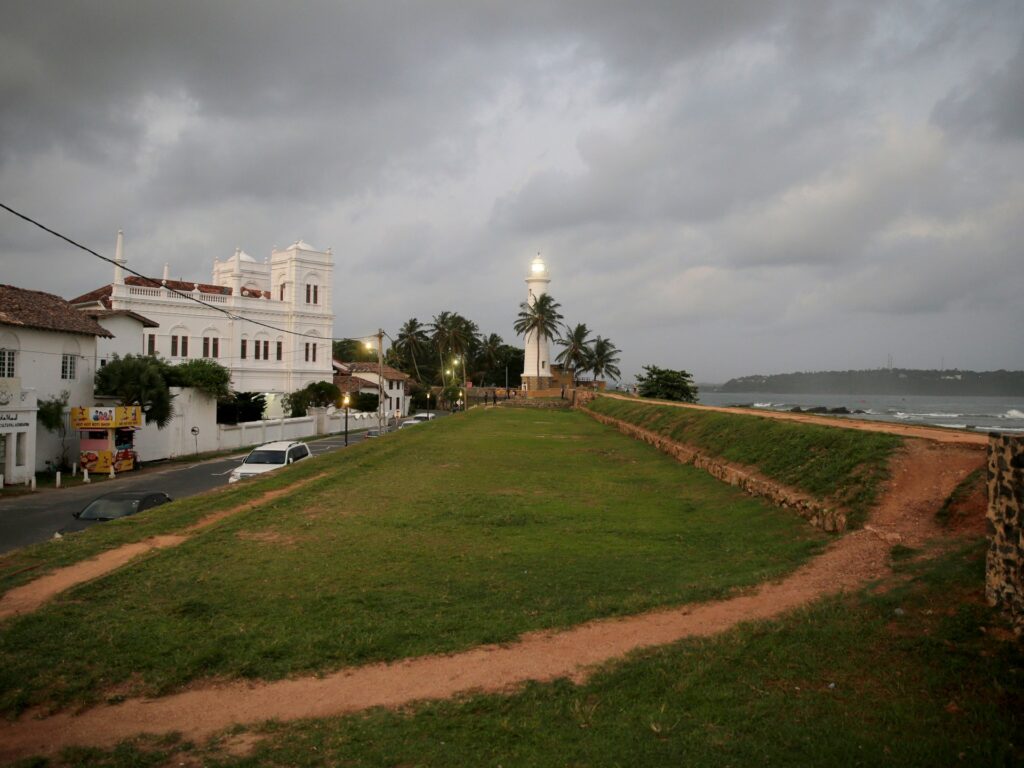
Colombo, Sri Lanka – Devmith Kaggodarachchi’s beachfront hotel in the southwestern coastal town of Hikkaduwa, a tourist hotspot 136km (85 miles) from the capital Colombo, is nearing full capacity. The three-star hotel, with air-conditioned rooms and private balconies looking into the Indian Ocean, is busy serving tourists visiting for the Christmas season. That is not how it’s been for Sri Lanka’s tourism industry over the past four years. Tourist arrivals dropped drastically in 2019 after bombings in three luxury hotels and three churches on Easter killed more than 250 people. The COVID-19 pandemic hit before Sri Lanka had a chance to recover. The country’s economic and political turmoil in 2022 – when its then-President Gotabaya Rajapaksa and his family had to flee, and essential commodities like fuel became almost impossible for everyday people to secure – further pushed tourists away from Sri Lanka. But a concerted promotional drive to attract foreign visitors, aided by geopolitical tensions unrelated to the country, appears to finally be bearing fruit, offering the nation an engine of revenue that could play a pivotal role in helping Sri Lanka’s economy recover. In 2023, Sri Lanka recorded more than 1.3 million tourist arrivals by the second week of December, official data show. It is the first time arrivals have crossed the 1 million mark in four years. More than 150,000 tourists visited in November, the highest monthly tally since March 2020. “Tourists are trusting us now. After going back to their country, they talk good about us. Business is good at the moment,” Kaggodarachchi told Al Jazeera. “Our hotel can serve about 150 tourists at a time. At the moment, there are 130”. Most tourists who have visited this year are from India, which hosted three roadshows promoting Sri Lanka’s tourism sector in April. But the Russian war in Ukraine has helped Sri Lanka too. Russia is the second-highest source of tourists to the country this year, at a time Russian tourists are not welcome in many other nations. “There were limitations on countries Russians could visit. They could visit Sri Lanka. We had that advantage,” Sri Lanka Tourism Development Authority (SLTDA) Chairman Priantha Fernando told Al Jazeera. Encouraging numbers, but higher revenue needed Industry stakeholders say that while higher tourist arrivals are a positive sign, there is a need to attract high-spending tourists to generate more revenue for the economy. President Ranil Wickremesinghe has also urged the tourism sector to improve its products and services to cater to high-end tourists. From January to November, tourism contributed $1.8bn in revenue – an increase of 78 percent compared with the same period last year. Tourism is Sri Lanka’s third-largest source of foreign exchange. On average, a tourist spends $181 daily, according to government data. Suranga Silva, a professor in tourism economics at the University of Colombo, suggested that Sri Lanka could use its uninhabited islands to boost high-end tourism by offering exclusivity. “If we can develop our islands as high-end tourist destinations, we can get tourists to spend more than $1000 daily. The service must be worth what they pay,” Silva told Al Jazeera. Research published in 2018 identified at least 87 islands in Sri Lankan territory. Many are neglected and can be used to develop tourist resorts, bird sanctuaries and scenic attractions, the research found. “Only luxury hotels aren’t enough. Tourists should be given a valuable tour package including domestic charter flights to take them to these locations,” Silva said. In 2021, the World Economic Forum ranked Sri Lanka 74th among 117 countries on its Travel and Tourism Development Index, which measures factors and policies that enable the development of the travel and tourism sector. “Right now, there is no advantage for any foreign investor to invest in Sri Lanka,” Fernando, the tourism authority chairperson, conceded. “These are the things we have to look at and come up with policies that will facilitate greater investment.” “I feel it will be 2029 by the time we receive 5 million tourists, of which half at least spend $500 a day”. ‘Don’t kill the goose that lays golden eggs’ But even as Colombo promotes the country’s tourism internationally, many businesses in the sector fear that the government is at the same time weakening their ability to compete for global travellers. From January 2024, the Sri Lankan government will lift an exemption on value-added tax (VAT), which it had extended to tourism operators in 2020. “Our industry generates foreign exchange revenue quickly. So, our request is to exempt us from VAT,” Rohan Abeywickrama, the president of the Association of Small and Medium Enterprises in Tourism, told Al Jazeera. Sri Lanka’s parliament recently voted to increase VAT from 15 to 18 percent, adding to the concerns of the sector. That is to meet tax collection targets agreed with the International Monetary Fund which is offering the government a $2.9bn bailout package to tide over the country’s worst economic crisis since independence. Businesses catering to tourists are already paying a Tourism Development Levy, Income Tax and Turnover Tax. “When all these taxes are imposed on us, our production costs go up. So we become an expensive tourist destination,” Abeywickrama, an industry veteran who is also on the government’s tourism advisory committee, said. “Tourism is driven by the private sector and is important to generate revenue. So the government must protect us and encourage us to remain in business. They shouldn’t kill the goose that lays golden eggs”. The tourism sector is also asking the government to provide relief on their mounting debt and the multiple electricity and water tariff hikes imposed since last year. Tour operators and safari four-wheel drive drivers say they have to put up with old vehicles as the government banned vehicle imports in early 2020 to control dollar outflows. “The vehicle fleet is over 15 to 20 years old, which is a challenge with more breakdowns and high cost of repairs,” Nishad Wijetunga, the president of the Sri Lanka Association of Inbound Tour Operators (SLAITO), told Al Jazeera. “Vehicle
Texas governor signs law allowing arrest of suspected illegal migrants

Republican Greg Abbott claims US President Joe Biden has left state to ‘fend for itself’ as he signs controversial bill. The governor of Texas has signed a law allowing state authorities to arrest and deport people suspected of illegally crossing the border between the United States and Mexico. Republican Governor Greg Abbott’s endorsement of Senate Bill 4 on Monday set up a potential legal battle with the federal government, which is usually tasked with enforcing immigration laws. Abbott, who signed the bill in a ceremony in the border town of Brownsville, accused President Joe Biden of doing nothing to stop a “tidal wave of illegal entry” into Texas and claimed the measure would cut unauthorised arrivals by 50-75 percent. “Biden’s deliberate inaction has left Texas to fend for itself,” Abbott said, describing the consequences of unauthorised entry under the measure as “so extreme that the people being smuggled by the cartels, they will not want to be coming into the state of Texas”. Under the new law, Texas state police will be able to arrest anyone suspected of crossing the border illegally and local judges will be authorised to order them to leave the country. Critics have cast the law as the most extreme attempt by state authorities to regulate immigration since a 2010 Arizona law that was largely struck down by the US Supreme Court. The American Civil Liberties Union of Texas said on Monday it would challenge the measure in court, arguing it “overrides federal immigration law” and “fuels racial profiling”. More than 20 congressional Democrats also signed a letter urging the US Justice Department to take legal action to block the measure. Record numbers of migrants have been picked for unauthorised entry from Mexico since Biden took office in 2021, with more than half of the 5.8 million arrests taking place in Texas and neighbouring New Mexico. Former President Donald Trump, who Abbot has backed to be the Republican nominee in the 2024 presidential election, has made immigration a key plank of his bid to retake the White House. During a visit to Edinburg, Texas near the US-Mexico border last month, Trump claimed that the US had the most unsecure border in the history of the world and that the country was being “invaded”. On Saturday, Trump said immigrants coming to the US were “poisoning the blood of our country,” drawing a sharp rebuke from the White House. “Echoing the grotesque rhetoric of fascists and violent white supremacists and threatening to oppress those who disagree with the government are dangerous attacks on the dignity and rights of all Americans, on our democracy, and on public safety,” White House Deputy Press Secretary Andrew Bates said. Adblock test (Why?)
Russia-Ukraine war: List of key events, day 664
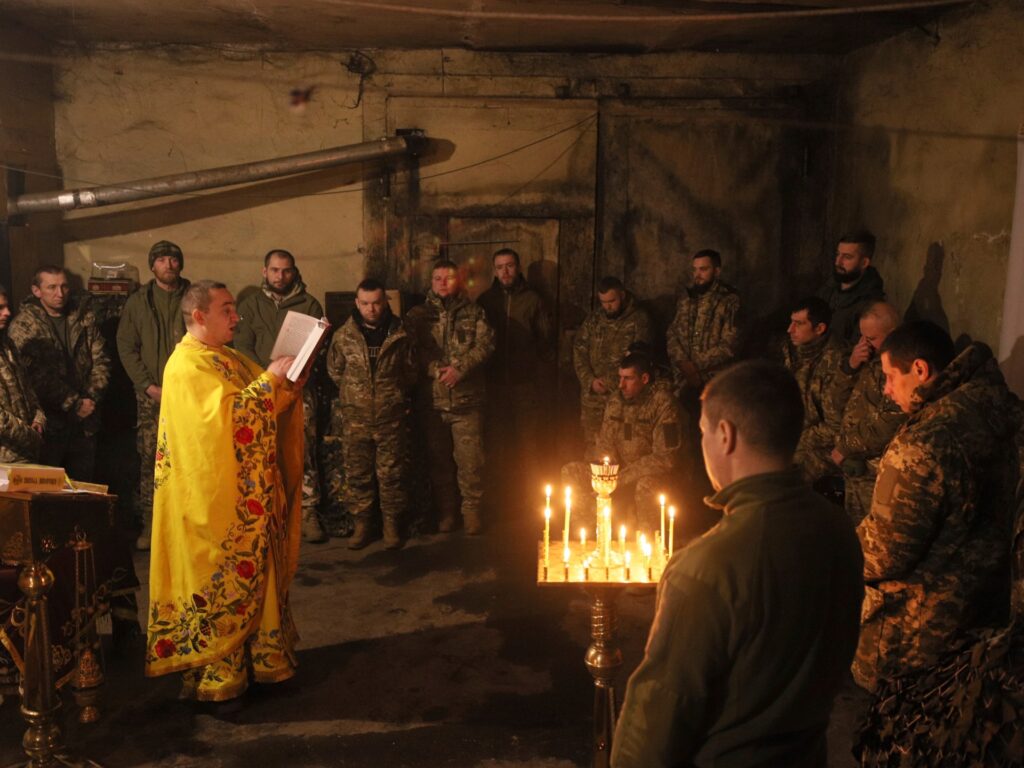
As the war enters its 664th day, these are the main developments. Here is the situation on Tuesday, December 19, 2023. Fighting Ukraine’s Armed Forces Commander-in-Chief Valerii Zaluzhnyi said the situation on the front line was not at a stalemate, after suggesting last month that it was a possibility. He declined to comment on the coming counteroffensive operations. “This is a war. I can’t say what I plan, what we should do. Otherwise, it will be a show, not a war,” Ukraine’s RBC media quoted him as saying. Brigadier General Oleksandr Tarnavskyi, a senior army general who has led counteroffensives against the Russians, told the Reuters news agency that front-line troops faced shortages of artillery shells – particularly Soviet-era 122mm and 152mm ammunition – and had scaled back some military operations because of a shortfall of foreign assistance. Zaluzhnyi criticised the president’s decision to fire regional military draft office chiefs. “These were professionals, they knew how to do this, and they are gone,” Interfax Ukraine cited him as saying. President Volodymyr Zelenskyy fired the country’s regional military recruitment heads in August in a corruption crackdown. Politics and diplomacy Zelenskyy said new sanctions imposed on Moscow by the European Union would “truly reduce” Russia’s ability to finance its invasion of Ukraine. Russia’s diplomatic mission to the EU said the latest action showed previous efforts had failed. The 12th package of sanctions includes a ban on Russian-origin diamonds, additional import and export bans, and a tightening of the rules to close loopholes and combat sanctions circumvention, the EU said. The Russian government added the prominent writer Grigory Chkhartishvili – known by his pen name Boris Akunin – to a register of “terrorists and extremists” after he criticised the invasion of Ukraine. The 67-year-old is known for his historical detective novels and his longstanding criticism of President Vladimir Putin. Weapons United States President Joe Biden said he was planning one more military aid package for Ukraine this month and that further assistance would require agreement in Congress. The Alphen Group, made up of more than 40 former top US and NATO diplomats and defence officials, urged the US Congress to approve new aid for Ukraine, warning that if Ukraine failed to win, it would not only be disastrous for Ukraine but also threaten the security of the US and its allies. Republicans earlier this month blocked an emergency spending bill including billions of dollars of aid for Ukraine, demanding tougher steps to control immigration at the US-Mexico border. Denmark set aside 1.8 billion Danish crowns ($264m) to help finance a Swedish initiative to donate CV90 armoured combat vehicles to Ukraine, the Danish Defence Ministry said in a statement. Adblock test (Why?)